
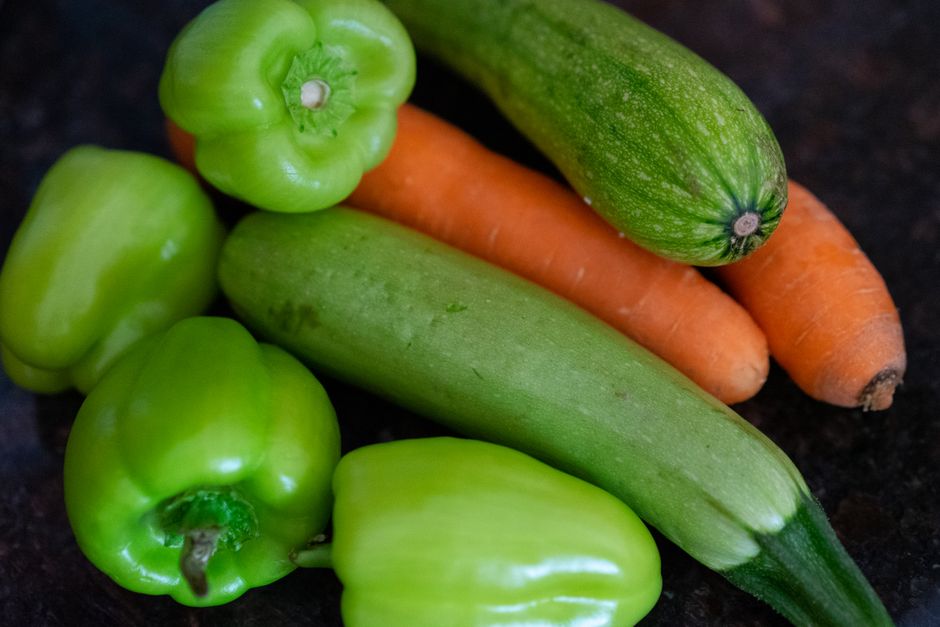
Zucchini is genuinely low in calories, and it earns its place in weight loss diets more by volume than by magic. A cup of sliced zucchini has roughly 20 calories, which is remarkably low for the amount of food you get. The real benefit is that it replaces higher-calorie ingredients in meals while keeping you full through water and fiber. It works because it changes the density of your plate, not because it burns fat or speeds up metabolism.
How Many Calories Are Actually in Zucchini?
The calorie count is the headline, and it holds up. A medium zucchini, about the size of your hand, contains around 30 to 35 calories. That same zucchini provides about 2 grams of protein, under 1 gram of fat, and roughly 6 grams of carbohydrates.
The carbohydrate number matters more than people think. About half of those carbs come from fiber and the rest from natural sugars. Fiber slows digestion and adds bulk without adding usable calories. This is why zucchini feels filling despite the tiny calorie load.
Compare that to pasta. A cup of cooked spaghetti has about 220 calories. A cup of zucchini noodles, often called zoodles, has about 20. You can eat the same volume of food for roughly one-tenth of the calories. That is the entire weight loss argument in one comparison.
Why Zucchini Helps With Weight Loss Beyond Calories
Calories matter, but zucchini works through several mechanisms at once. The first is water content. Zucchini is about 94 percent water. Water adds weight to food without adding calories, which means you feel full sooner and stay full longer.
The second mechanism is fiber. A medium zucchini provides about 2 grams of fiber. That is not a huge number on its own, but it contributes to your daily total. Fiber slows stomach emptying and stabilizes blood sugar after meals. Stable blood sugar means fewer hunger spikes a few hours later.
There is also a volume effect that researchers call energy density. Foods with low energy density provide fewer calories per gram of food. Zucchini is one of the lowest energy density vegetables you can buy. Studies consistently show that people who eat low energy density diets lose more weight and keep it off longer than those who simply cut portions of high density foods.
Is Zucchini Better Than Other Low Calorie Vegetables?
Zucchini is good, but it is not uniquely superior to other non-starchy vegetables. Broccoli, cauliflower, cucumber, and leafy greens all sit in the same low calorie range. The advantage zucchini has is versatility.
You can spiralize it into noodles, slice it into lasagna sheets, grate it into baked goods, or grill it as a side dish. That flexibility matters for long-term adherence. Most people do not fail at weight loss because they eat broccoli. They fail because they get bored and return to old habits.
One thing zucchini does not do is provide significant protein. A whole zucchini has about 2 grams. If you replace pasta with zoodles, you are also replacing some protein if your pasta dish included meat sauce. Make sure the rest of your meal carries the protein load.




Does Eating Zucchini Directly Burn Fat?
No. No food directly burns fat. This is a common marketing claim attached to celery, grapefruit, and green tea, and zucchini gets pulled into the same category. The thermic effect of food, which is the energy your body uses to digest what you eat, is real but small. It does not meaningfully change your daily calorie burn.
What zucchini does do is create a calorie deficit indirectly. If you eat the same volume of food but replace high calorie ingredients with zucchini, you consume fewer calories without feeling deprived. That deficit is what causes weight loss. The zucchini is the tool, not the engine.
Beware of any claim that zucchini or any vegetable “boosts metabolism” enough to cause weight loss on its own. The evidence does not support that. The evidence supports eating more vegetables because they displace other foods and improve diet quality.
How to Use Zucchini for Weight Loss Without Ruining the Benefit
The preparation method determines whether zucchini helps or hurts your goals. Deep frying zucchini turns a 20 calorie food into a 200 calorie food. Coating it in batter and cheese changes the entire nutritional profile.
The most effective uses are simple. Zucchini noodles with a tomato based sauce and lean protein work well. Grilled zucchini as a side dish replaces heavier starches. Raw zucchini sticks with hummus make a satisfying snack.
One practical approach is the half plate rule. Fill half your plate with non-starchy vegetables like zucchini, a quarter with lean protein, and a quarter with whole grains or starchy vegetables. This structure naturally reduces calorie intake without requiring you to count every calorie.
Zucchini also works as a baking substitute. Grated zucchini can replace some of the oil or butter in muffins and quick breads. This lowers the calorie density of baked goods, though it does not make them diet foods. A zucchini muffin is still a muffin.
What the Research Actually Shows
Research on vegetables and weight loss is consistent but indirect. No major study has isolated zucchini as a weight loss agent. Instead, studies look at dietary patterns that include high vegetable intake. Those patterns consistently correlate with lower body weight and better weight maintenance.
Some research suggests that replacing high calorie foods with low energy density vegetables leads to greater weight loss than simply reducing portion sizes. This supports the practical approach of swapping pasta for zoodles rather than eating less pasta.
The evidence on fiber is also solid. Higher fiber intake is associated with lower body weight across many population studies. Zucchini contributes to fiber intake, but you would need to eat several cups to make a significant dent in your daily fiber target of 25 to 38 grams for adults.
There is no clinical evidence that zucchini has any special fat burning or metabolism boosting property. Anyone claiming otherwise is selling something.
Potential Downsides and Who Should Be Careful
Zucchini is safe for nearly everyone. The main issue is digestive discomfort. People who are not used to high fiber diets may experience bloating or gas when they suddenly increase zucchini intake. Start with small amounts and increase gradually.
People with kidney stones should be aware that zucchini contains oxalates, though at lower levels than spinach or beets. If you have a history of calcium oxalate kidney stones, talk to your doctor about how much zucchini fits your dietary plan.
Zucchini allergy is rare but possible, especially in people allergic to other gourds like cucumber or melon. Symptoms include itching or swelling in the mouth after eating raw zucchini. Cooking usually reduces the reaction.
One more practical note: zucchini spoils quickly. It is mostly water, so it breaks down fast. Store it in the refrigerator and use it within a few days of purchase.
Practical Meal Ideas That Keep the Calorie Benefit
Zucchini noodles with garlic, olive oil, and grilled chicken is a complete meal at roughly 400 calories. The olive oil adds healthy fat and flavor, but keep it to one tablespoon.
Stuffed zucchini boats work well. Halve a zucchini, scoop out the center, and fill it with ground turkey, tomato sauce, and a small amount of cheese. Bake until tender. This gives you a full meal with built in portion control.
Zucchini lasagna replaces pasta sheets with thinly sliced zucchini. Layer it with ricotta, marinara, and lean ground beef. The dish holds together well and cuts the calorie count significantly compared to traditional lasagna.
For breakfast, grated zucchini can be added to egg scrambles or frittatas. It adds volume and moisture without changing the flavor much. This is an easy way to increase vegetable intake early in the day.
How Zucchini Compares to Other Popular Weight Loss Substitutes
Zucchini noodles are often compared to shirataki noodles, which are made from konjac root. Shirataki noodles have nearly zero calories, even fewer than zucchini. However, many people find their texture rubbery and difficult to enjoy.
Cauliflower rice is the closest competitor to zucchini noodles. Both are low calorie and versatile. Cauliflower has slightly more fiber and protein per cup. Zucchini has a milder flavor and holds up better in dishes that need a noodle shape.
Spaghetti squash is another option. It has about 40 calories per cup, double zucchini but still very low. Its texture is closer to actual spaghetti, which some people prefer when making Italian style dishes.
None of these are nutritionally complete meals on their own. They are vehicles for the rest of your meal. The best choice is the one you will actually eat regularly.
Frequently Asked Questions
Is zucchini actually low in calories?
Yes, a cup of sliced zucchini has about 20 calories and a whole medium zucchini has roughly 30 to 35 calories. This makes it one of the lowest calorie vegetables available.
Can eating zucchini help you lose weight?
Zucchini helps weight loss by replacing higher calorie foods and filling you up with water and fiber. It does not burn fat directly, but it supports the calorie deficit needed for weight loss.
Is zucchini better than pasta for weight loss?
Yes, zucchini noodles have about 20 calories per cup compared to roughly 220 calories in cooked pasta. You can eat the same volume for a fraction of the calories.
What is the healthiest way to eat zucchini for weight loss?
Grilling, roasting, spiralizing, or eating it raw with a light dip preserves the low calorie benefit. Deep frying or coating it in batter adds significant calories.
