
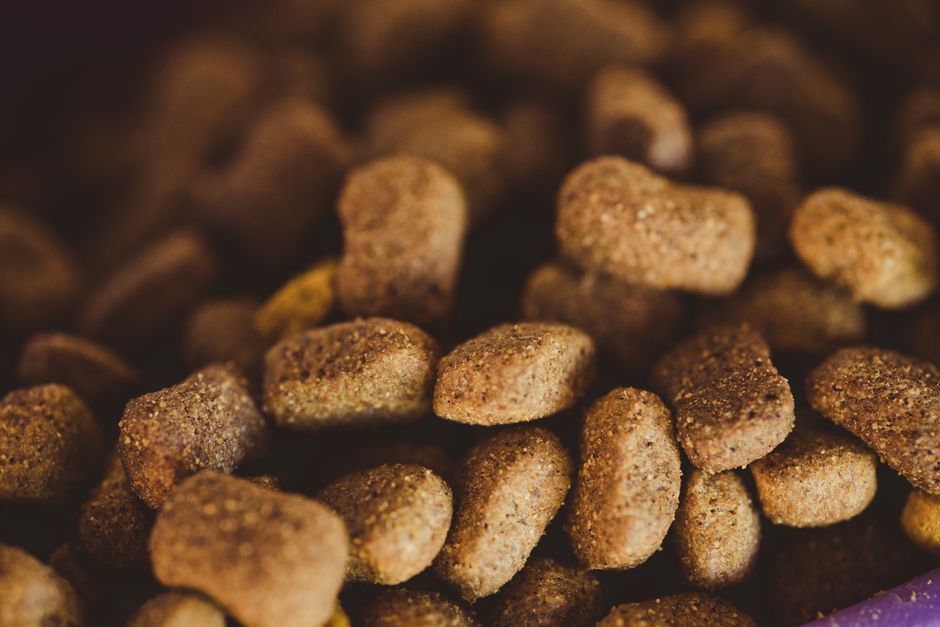
High protein is generally safe and beneficial for healthy puppies, as they need more protein per pound of body weight than adult dogs to support rapid growth. The real question is not whether protein is good, but how much is right for your specific puppy and whether the source of that protein is high quality. Most commercially prepared puppy foods that meet AAFCO nutritional standards contain appropriate protein levels for normal growth, typically between 22% and 32% on a dry matter basis.
What Does Protein Actually Do for a Growing Puppy?
Protein supplies amino acids, which are the building blocks for muscle, skin, hair, nails, and internal organs. During the first year of life, a puppy’s body is growing faster than at any other time in its life. That growth requires a steady supply of these building materials.
Puppies also need protein for enzyme production, hormone regulation, and immune system function. Antibodies that fight infection are made of protein. Digestive enzymes that break down food are protein. Even the hemoglobin that carries oxygen in the blood is a protein-based molecule.
Research consistently shows that growing puppies need roughly twice the protein per pound of body weight compared to adult dogs. This is because their bodies are not just maintaining tissue — they are actively creating new tissue every single day.
Is High Protein Harmful to Puppy Bones and Joints?
This is one of the most persistent myths in dog nutrition. The belief that high protein causes hip dysplasia or other skeletal problems in puppies is not supported by veterinary research.
Studies have found that dietary protein does not cause developmental orthopedic diseases in puppies. What matters far more is calcium intake and total calorie consumption. Excess calories during growth can accelerate growth rate, which may contribute to skeletal problems in large-breed puppies. Protein itself does not do this.
However, there is an important distinction to understand. High protein is not the same as high calorie. A food can be high in protein but moderate in calories. A food can also be high in both. For large-breed puppies, the calorie content and calcium levels matter more than the protein percentage.
Large-breed puppy foods are specifically formulated with lower calcium and controlled calories while still maintaining adequate protein. This is why choosing a food designed for your puppy’s expected adult size is more important than simply looking for the highest protein number on the bag.
How Much Protein Does a Puppy Actually Need?
The Association of American Feed Control Officials, known as AAFCO, sets minimum nutritional standards for dog foods sold in the United States. For growth and reproduction, the minimum protein requirement is 22.5% on a dry matter basis.
Most commercial puppy foods contain between 25% and 32% protein on a dry matter basis. That range is well above the minimum and is considered appropriate for healthy puppies of all breeds.
Working dogs and highly active breeds may benefit from protein at the higher end of that range. A sedentary small-breed puppy may do perfectly well at the lower end. The key is that the protein comes from a digestible, high-quality source.
Protein quality matters as much as quantity. Animal-based proteins such as chicken, beef, fish, and eggs are more digestible and contain a more complete amino acid profile than most plant proteins. A food with 28% protein from quality animal sources is better than a food with 32% protein that relies heavily on plant sources with lower digestibility.

Can Puppies Get Too Much Protein?
Healthy puppies with normal kidney function can handle protein levels well above the minimum requirement without harm. The body simply breaks down excess amino acids and excretes the byproducts through the kidneys.
There is no established upper limit for protein in puppy foods. Clinical studies have not identified a protein level that causes health problems in healthy puppies. Even diets containing 40% or more protein have not shown adverse effects in research settings.
That said, very high protein foods are not necessary for most puppies. Feeding a 40% protein food to a normal puppy is like giving a sedan racing fuel — it will not cause damage, but it is not needed. These foods are typically designed for athletic or working dogs with intense energy demands.
Puppies with existing kidney disease or certain metabolic conditions may need restricted protein, but this is rare and always determined by a veterinarian. Never restrict protein in a growing puppy without veterinary guidance.
What About High Protein and Growth Rate?
Protein does influence growth rate, but not in the way many people assume. Puppies fed adequate protein grow at a steady, appropriate rate. Puppies fed excessive calories grow faster than their skeletons can safely support.
The confusion happens because high-protein foods are often also high in fat and calories. It is the calories, not the protein, that accelerate growth. This is particularly relevant for large and giant breed puppies, which are most vulnerable to developmental orthopedic disease.
For large-breed puppies, the goal is slow, steady growth. That means controlling calories and calcium, not reducing protein. Most veterinary nutritionists recommend large-breed puppy formulas that contain moderate protein, moderate fat, and controlled calcium.
If you are feeding a large-breed puppy, look for a food specifically labeled for large-breed puppies. These formulas are designed to meet the protein needs of growth while preventing the rapid weight gain that can stress developing joints.
What Should You Look for in a Puppy Food?
Look for a food with a statement from AAFCO indicating it is complete and balanced for growth. This statement is your guarantee that the food meets established nutritional standards.
Check the guaranteed analysis for protein percentage, but do not stop there. Look at the ingredient list to confirm that named animal proteins appear early in the list. Ingredients are listed by weight, so a food with chicken or beef as the first ingredient likely gets most of its protein from that source.
Consider the life stage. Puppy foods are formulated with higher protein, fat, and certain minerals than adult foods. Feeding an adult food to a puppy can lead to nutritional deficiencies during a critical growth period.
Your puppy’s breed size matters. Large-breed puppy foods have different calcium and calorie profiles than regular puppy foods. Small-breed puppy foods often have smaller kibble size and higher calorie density to meet the needs of tiny dogs with fast metabolisms.
When in doubt, ask your veterinarian. They know your puppy’s individual health status and can recommend an appropriate food based on breed, activity level, and any medical concerns.
When Should You Switch to Adult Food?
Puppies should eat puppy food until they reach skeletal maturity, not just until they look full grown. Small breeds typically reach maturity around 9 to 12 months. Medium breeds around 12 months. Large breeds around 12 to 18 months. Giant breeds may need puppy food for up to 24 months.
Switching too early can deprive your dog of nutrients needed for ongoing bone and muscle development. Switching too late can lead to excess weight gain in a less active adult dog.
Your veterinarian can help you determine the right time to transition based on your dog’s specific breed and growth curve. The transition itself should be gradual, mixing increasing amounts of adult food with decreasing amounts of puppy food over about a week.
Frequently Asked Questions
Can high protein cause kidney damage in puppies?
No. Healthy puppies with normal kidney function can process high protein diets without harm. Kidney disease is not caused by dietary protein in dogs, though dogs with existing kidney problems may need modified diets.
Is grain-free high protein food better for puppies?
Not necessarily. Grain-free diets are not nutritionally superior for puppies and may be linked to a heart condition called dilated cardiomyopathy in some dogs. A food with quality named protein sources is more important than whether it contains grains.
How much protein should a large breed puppy eat?
Large breed puppies should eat food with approximately 22% to 30% protein on a dry matter basis. The calcium content and calorie density matter more than protein for large breeds, so choose a formula specifically designed for large breed growth.
Can I feed my puppy adult dog food if it has high protein?
No. Adult dog food lacks the specific calcium, phosphorus, and calorie balance that growing puppies need. High protein alone does not make an adult food appropriate for a puppy.
