
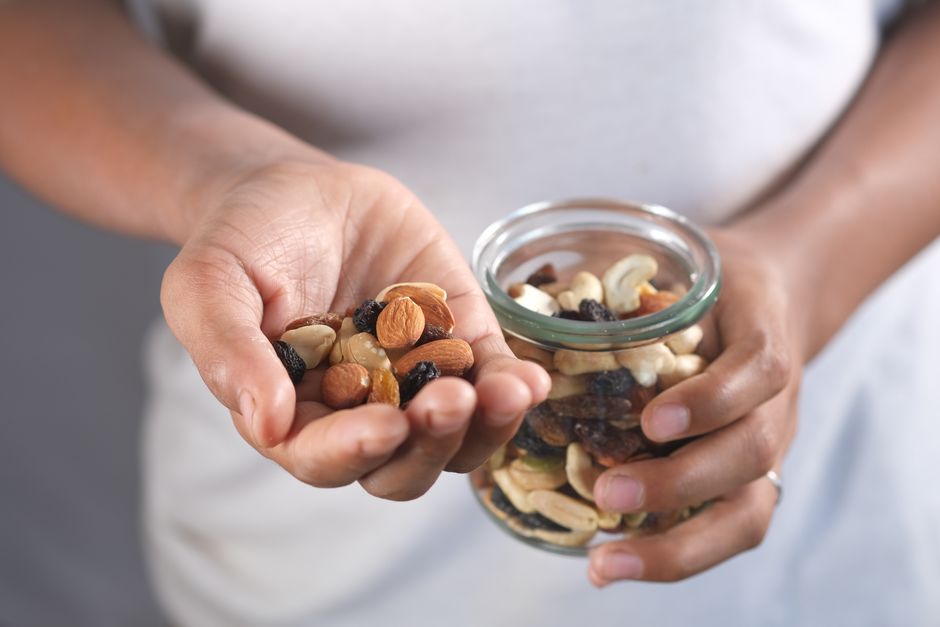
Cashews are a moderate-oxalate food, not a high-oxalate one. Most people concerned about kidney stones can eat them in reasonable portions without much worry. However, if you have a history of calcium oxalate kidney stones, your doctor may still suggest limiting them. The exact amount of oxalates in cashews varies by source, but they generally fall well below the levels found in spinach, almonds, or rhubarb.
Are Cashews High In Oxalates Diet Tips And Swaps?
Cashews are not considered high in oxalates. They sit in the moderate range, which means they contain more oxalates than low-oxalate foods like bananas or white rice, but far less than the highest offenders. Most clinical guidance on low-oxalate diets focuses on avoiding very high-oxalate foods first, and cashews typically do not make that list.
Oxalate content in nuts varies significantly. Almonds and peanuts are generally higher. Pecans and macadamia nuts are lower. Cashews fall somewhere in the middle. For someone eating a handful of cashews a few times a week, the oxalate load is unlikely to be a problem unless other high-oxalate foods are also consumed regularly.
What Are Oxalates and Why Do They Matter?
Oxalates are natural compounds found in many plant foods. Your body also produces oxalates on its own as waste products are processed. When oxalate levels in the urine get too high, the oxalate can bind with calcium and form crystals. Those crystals can grow into kidney stones over time.
About 80 percent of kidney stones are calcium oxalate stones. That is why people who have had one stone are often told to watch their oxalate intake. But oxalates are not inherently bad. Most people process them without any issue. The concern applies mainly to people with a history of kidney stones, certain digestive conditions, or genetic predispositions to high oxalate absorption.
Your gut bacteria also play a role. Some bacteria in the colon can break down oxalates before they are absorbed. People who have taken repeated courses of antibiotics or who have had gastric bypass surgery may have fewer of these helpful bacteria, which can increase oxalate absorption.
How Many Oxalates Are in Cashews?
Published food analyses show cashews contain roughly 20 to 30 milligrams of oxalates per 100 grams. To put that in perspective, a typical serving of cashews is about 28 grams, or one ounce. That serving would provide roughly 6 to 8 milligrams of oxalates.
By comparison, the same weight of spinach contains over 600 milligrams of oxalates. Almonds contain around 400 to 500 milligrams per 100 grams. Rhubarb is similarly very high. Cashews are nowhere near these levels.
Low-oxalate diets typically aim for under 40 to 50 milligrams of oxalates per day. A single serving of cashews uses only a small fraction of that daily allowance. Even two or three servings a day would keep most people well within the limit, provided the rest of the diet is not loaded with high-oxalate foods.





Who Should Limit Cashews?
People with recurrent calcium oxalate kidney stones should talk to their doctor or a registered dietitian about oxalate intake. Some clinicians recommend a low-oxalate diet for these patients, though the evidence supporting strict restriction is not as strong as once believed. Modern guidance often focuses more on getting enough calcium and fluid rather than eliminating every moderate-oxalate food.
People with certain digestive conditions may also need to be careful. Inflammatory bowel disease, short bowel syndrome, and cystic fibrosis can all increase oxalate absorption. If you have one of these conditions, your medical team may give you specific dietary targets that differ from general advice.
There is also a rare genetic condition called primary hyperoxaluria. In this condition, the liver produces too much oxalate regardless of diet. Dietary changes matter less for these patients, and treatment is managed by a specialist.
How to Eat Cashews on a Low-Oxalate Diet
If you want to keep cashews in your diet, portion control is the simplest approach. Stick to a one-ounce serving rather than eating from the bag. Measure them out if you tend to overeat nuts.
Pairing cashews with a calcium-rich food can help. Calcium binds to oxalates in the digestive tract, which means less oxalate gets absorbed into your bloodstream. This is why yogurt with nuts or cheese with a nut-based snack can be a smart combination. The calcium and oxalate bind in the gut and pass through the body together.
Drinking plenty of water also helps. Urine that is well diluted is less likely to form crystals, even when oxalate levels are slightly elevated. Aim for enough fluids to keep your urine light yellow throughout the day.
Better Nut Swaps for High-Oxalate Concerns
If your doctor has told you to follow a strict low-oxalate diet, you may want to choose nuts that are clearly lower in oxalates than cashews. The following options are generally considered lower-oxalate choices:
- Macadamia nuts — among the lowest in oxalates of all nuts
- Pecans — also low and easy to find
- Brazil nuts — low in oxalates, but limit to a few per day due to selenium content
- Pistachios — moderate, similar to cashews
- Walnuts — moderate, generally acceptable in small portions
Almonds, peanuts, and hazelnuts are higher in oxalates. If you are following a strict low-oxalate plan, those are the nuts to avoid or limit most carefully.
Cashews can also be swapped for seeds. Pumpkin seeds and sunflower seeds are moderate in oxalates. Chia seeds and flaxseeds are higher. If you are using cashews for creamy sauces or dairy alternatives, consider using macadamia nuts or coconut milk instead.
Other Foods That Are Higher in Oxalates Than Cashews
Knowing which foods are high in oxalates helps you understand where cashews fit. Many people are surprised to learn that some very healthy foods are the biggest oxalate contributors.
Spinach, Swiss chard, and beet greens are extremely high. Rhubarb and beets are also major sources. Almonds, peanuts, and soy products like tofu and soy milk are high. Sweet potatoes and certain beans, including navy beans and pinto beans, are moderately high. Dark chocolate and cocoa powder are also significant sources.
If you eat these foods regularly, they will contribute far more oxalates to your diet than cashews ever will. Reducing or rotating these foods matters more than cutting out cashews for most people.
The Truth About Cooking and Soaking Cashews
Some online sources claim that soaking or roasting nuts reduces their oxalate content. The evidence for this is limited. Water-soluble oxalates can leach into cooking water for some vegetables, which is why boiling spinach removes some oxalates. But the effect on nuts is less clear, and no reliable study has confirmed that soaking cashews meaningfully reduces oxalates.
Roasting does not appear to change oxalate content in any significant way. Oxalates are heat-stable compounds. They do not break down at normal cooking temperatures.
If soaking helps you digest nuts better or makes them more palatable, there is no harm in doing it. Just do not rely on it as a method of oxalate reduction. The evidence simply is not there.
Calcium Is More Important Than Oxalate Avoidance
One of the most misunderstood points about kidney stone prevention is the role of calcium. Many people assume that eating less calcium will prevent calcium oxalate stones. The opposite is true.
Low calcium intake actually increases the risk of kidney stones. When you eat too little calcium, less oxalate binds to it in the digestive tract. That means more oxalate gets absorbed and ends up in your urine. Eating adequate calcium from food sources helps keep oxalates in the gut where they belong.
Current dietary guidance for stone formers typically emphasizes normal calcium intake, reduced sodium, and plenty of fluids. Oxalate restriction is a secondary measure, not the primary strategy. For this reason, swapping cashews for calcium-rich foods is not necessary. Eating cashews alongside dairy or a calcium-fortified beverage is a better approach.
Bottom Line on Cashews and Oxalates
Cashews are a moderate-oxalate nut that most people can eat without concern. They are not in the same category as spinach, almonds, or rhubarb. If you have had calcium oxalate kidney stones, talk to your healthcare provider about your overall diet rather than eliminating individual foods based on fear.
For the general population, the health benefits of nuts — including healthy fats, protein, and minerals — outweigh any theoretical concern about oxalates. Cashews are a reasonable choice as part of a varied diet. If you do need to lower oxalate intake, portion control and choosing lower-oxalate nuts like macadamias or pecans are simple adjustments.
Frequently Asked Questions
Are cashews safe to eat with kidney stones?
Cashews are moderate in oxalates and are generally safe in small portions for most people with kidney stones. Your specific risk depends on stone type, urine oxalate levels, and overall diet, so check with your doctor.
Which nuts are lowest in oxalates?
Macadamia nuts, pecans, and Brazil nuts are among the lowest in oxalates. Cashews and pistachios are moderate, while almonds and peanuts are highest.
How many cashews can I eat on a low-oxalate diet?
A one-ounce serving, about 18 to 20 cashews, provides roughly 6 to 8 milligrams of oxalates. This fits within most low-oxalate daily limits of 40 to 50 milligrams, as long as other high-oxalate foods are limited.
Does soaking cashews remove oxalates?
No reliable evidence confirms that soaking cashews meaningfully reduces oxalate content. Oxalates are heat-stable and do not break down with soaking or roasting.
