
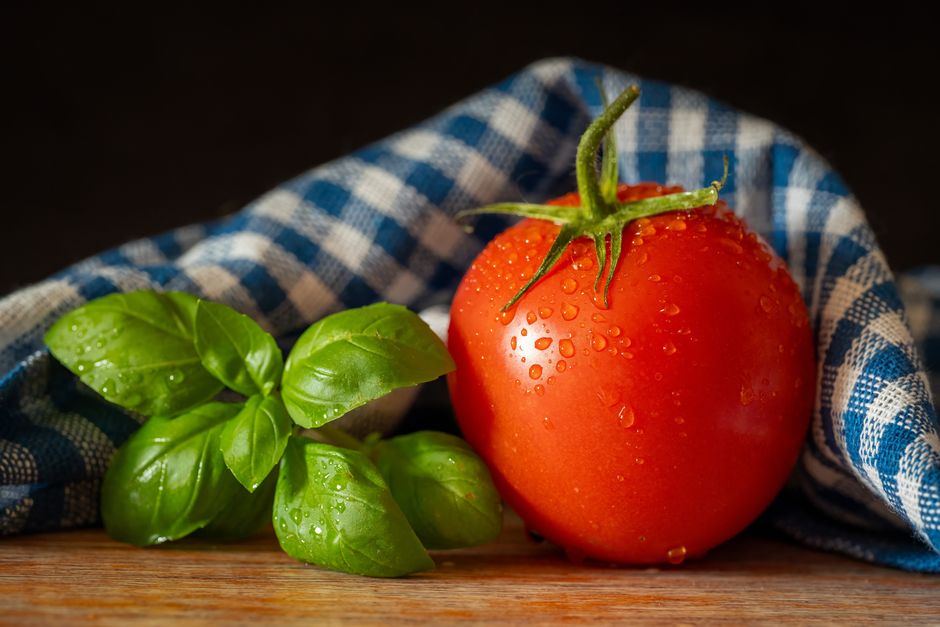
The short answer is no. Botanically, a tomato is a fruit. But in the kitchen and in legal terms, it is treated as a vegetable. This conflict between science and daily life is where the confusion starts. Understanding both sides clears up the question for good.
What Makes a Tomato a Fruit in Botany?
Botany has a clear rule. A fruit develops from the flower of a plant and contains seeds. A tomato fits this perfectly. It grows from the fertilized ovary of a tomato flower and holds seeds inside. By this definition, tomatoes are fruits, just like cucumbers, peppers, and eggplants.
Many people are surprised to learn that foods they call vegetables are actually fruits. The USDA classifies tomatoes as a vegetable for nutrition guidelines, but that is a practical choice, not a scientific one. The botanical truth is that a tomato is a fruit. Research in plant biology consistently confirms this. The ovary wall ripens into the fleshy part we eat, which is the textbook definition of a fruit.
This is not a matter of opinion. It is a matter of how plants work. If it has seeds and comes from a flower, it is a fruit. Period. This applies to green beans, pumpkins, and avocados too. The tomato is just the most famous example of this mix-up.
Why Do We Call It a Vegetable in the Kitchen?
In cooking, we group foods by taste and use, not by plant anatomy. Vegetables tend to be less sweet and are used in savory dishes. Fruits are usually sweet and used in desserts or eaten raw. Tomatoes are savory, have low sugar compared to most fruits, and are used in sauces, soups, and salads. That is why chefs and home cooks call them vegetables.
This culinary classification is practical. Nobody puts tomatoes in a fruit salad. Nobody bakes them into a pie as the main sweet ingredient. The flavor profile of a tomato is umami and acidic, which fits squarely in the vegetable category in the kitchen. This is not wrong. It is just a different system of organization.
The confusion arises because we use the same word — “vegetable” — to mean two different things. In science, it means a specific plant part. In cooking, it means a flavor and usage category. Both are valid in their own context. The problem is that most people learn the cooking definition first and then hear the botanical one later, which feels like a contradiction.
What Did the Supreme Court Say About Tomatoes?
In 1893, the United States Supreme Court ruled on this exact question. The case was Nix v. Hedden. Importers argued that tomatoes were fruits and should not be taxed under the Tariff Act of 1883, which taxed vegetables. The Court unanimously ruled that tomatoes are vegetables for tariff purposes.
The Court did not overturn botany. It acknowledged that in common language, tomatoes are used as vegetables. Justice Horace Gray wrote that tomatoes are “usually served at dinner in, with, or after the soup, fish, or meat” and are not “generally eaten as a dessert.” The ruling was about trade and language, not science.
This decision has real consequences. It means that for import and export laws, tomatoes are vegetables. The same logic applies to other botanical fruits like cucumbers and squash. The ruling is still good law today. It shows that sometimes the law cares more about how people actually use something than what scientists call it.





Is Tomato a Vegetable in Nutrition Guidelines?
Nutrition guidelines treat tomatoes as a vegetable. The Dietary Guidelines for Americans place tomatoes in the “red and orange vegetables” subgroup. The USDA MyPlate tool counts tomato products as vegetables. This is based on nutrient content, not plant biology.
Tomatoes provide nutrients commonly found in vegetables. They are high in vitamin C, potassium, and lycopene. Lycopene is a powerful antioxidant that gives tomatoes their red color. Research published in the Journal of the National Cancer Institute has linked higher lycopene intake with lower risk of certain cancers, particularly prostate cancer. Cooking tomatoes actually increases the amount of lycopene your body can absorb.
From a practical eating standpoint, calling a tomato a vegetable makes sense. You should eat them the same way you eat other vegetables. One medium tomato counts as a serving of vegetables. The fiber content is similar to many vegetables. The sugar content is lower than most fruits. Nutritionally, tomatoes behave more like a vegetable than a fruit.
What Are the Key Differences Between Fruits and Vegetables?
The difference comes down to definition. Botanists use one system. Cooks use another. Neither is wrong. They just answer different questions. Here is a simple breakdown of the two systems:
| Category | Botanical Definition | Culinary Definition |
|---|---|---|
| Fruit | Develops from flower, contains seeds | Sweet or tart, used in desserts or eaten raw |
| Vegetable | Any other edible plant part (root, stem, leaf) | Savory, used in main dishes, soups, or salads |
| Tomato | Fruit (berry, technically) | Vegetable (used in savory cooking) |
This table shows why the tomato is caught in the middle. It fits one definition perfectly and the other definition equally well. The answer to “Is tomato a veggie?” depends entirely on which definition you are using. In a biology class, it is a fruit. In a kitchen, it is a vegetable. Both answers are correct in their own context.
Many other foods have this same identity issue. Cucumbers are fruits botanically but vegetables culinarily. Bell peppers are fruits. Eggplants are fruits. Even green beans are fruits because they contain seeds. The list is longer than most people realize. The tomato is just the most well-known example.
Common Misconceptions About Tomatoes
One common myth is that tomatoes are bad for people with arthritis because they are “nightshades.” Some people report that eating tomatoes worsens their joint pain. However, there is no strong clinical evidence that tomatoes cause inflammation in most people. A 2019 review in Nutrients found no consistent link between nightshade vegetables and arthritis symptoms. If you have arthritis and feel worse after eating tomatoes, avoid them. But for most people, tomatoes are not a problem.
Another misconception is that raw tomatoes are healthier than cooked ones. This is not entirely true. Cooking tomatoes reduces vitamin C content but increases the availability of lycopene. Your body absorbs about four times more lycopene from cooked tomatoes than from raw ones. Eating both raw and cooked tomatoes gives you the best of both worlds.
Some people also believe that tomato seeds are toxic. This is false. Tomato seeds are safe to eat. The green parts of the tomato plant, including the leaves and stems, contain small amounts of solanine and tomatine, which can be toxic in very large amounts. But the ripe fruit and its seeds are perfectly safe. Do not eat tomato leaves or stems, but the seeds inside the fruit are fine.
What to Avoid When Deciding If Tomato Is a Veggie
Avoid getting stuck in one definition. The people who insist that a tomato is only a fruit are being technically correct but practically unhelpful. The people who insist it is only a vegetable are ignoring basic biology. Both sides are right in their own context. The smart approach is to understand both and use the right definition for the right situation.
Do not fall for marketing claims that call tomatoes “superfruits.” This is a marketing gimmick. Tomatoes are healthy, but the term “superfruit” has no scientific meaning. It is just a way to sell products. The same goes for supplements that claim to have concentrated tomato benefits. Whole tomatoes, whether fresh, canned, or cooked, are better than any supplement.
Avoid assuming that all “vegetables” are low in sugar. Tomatoes have about 3 grams of sugar per 100 grams. That is lower than most fruits but higher than leafy greens or broccoli. If you are on a low-sugar or ketogenic diet, you can eat tomatoes in moderation, but they are not as low-carb as some other vegetables. One medium tomato has about 5 grams of carbs, mostly from sugar and fiber.
Frequently Asked Questions
Is a tomato a fruit or a vegetable?
Botanically, it is a fruit because it develops from a flower and contains seeds. Culinarily, it is treated as a vegetable because it is savory and used in main dishes.
Why do people argue about whether a tomato is a vegetable?
The argument comes from mixing up two different definitions. Science uses one system, and cooking uses another. Both are valid in their own context.
Did the Supreme Court really rule on whether a tomato is a fruit?
Yes, in 1893 the Supreme Court ruled that tomatoes are vegetables for tax purposes. The ruling was about trade law, not botany.
Are tomatoes healthy even though they are technically fruits?
Yes, tomatoes are very healthy. They are rich in vitamin C, potassium, and lycopene, which is linked to lower cancer risk. They count as a vegetable serving in dietary guidelines.
