
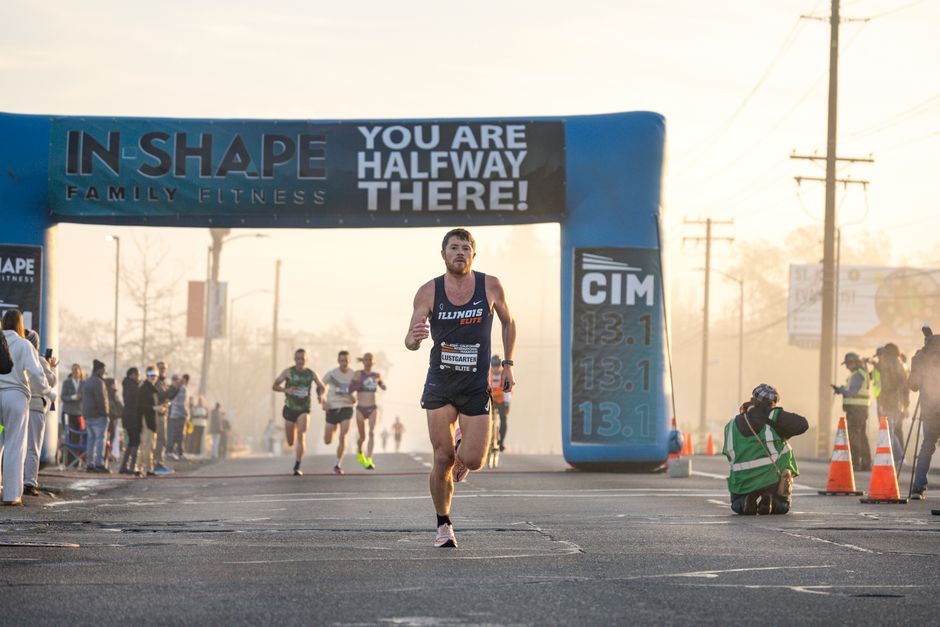
A 10K race is exactly 6.2 miles. The “K” stands for kilometers, and a 10K is precisely 10 kilometers. Since one kilometer equals 0.621371 miles, ten kilometers works out to 6.21371 miles. In the running world, that number is rounded to 6.2 miles for everyday use. Race organizers measure the course precisely, so if you run a certified 10K, you will cover 6.2 miles from start to finish.
How Far Is A 10K Race In Miles Compared To Other Distances?
Understanding where the 10K sits among other common race distances helps put it in perspective. A 5K is half that distance at 3.1 miles. A half marathon is 13.1 miles, which is just over twice a 10K. A full marathon is 26.2 miles, roughly four times longer.
For newer runners, the 10K represents a meaningful step up from the 5K. It requires more endurance but does not demand the same level of training commitment as a half or full marathon. Many runners use the 10K as a bridge distance between shorter races and longer events.
Here is a quick comparison of common race distances:
- 5K: 3.1 miles
- 10K: 6.2 miles
- Half marathon: 13.1 miles
- Marathon: 26.2 miles
The 10K is often described as the perfect introductory distance for runners who have completed a 5K and want a new challenge without committing to months of long weekend training runs.
Why Is The 10K Distance Measured In Kilometers?
Track and field events have been measured in metric units for over a century. The International Association of Athletics Federations, now called World Athletics, standardized race distances using the metric system. This means all official road races, from the 5K to the marathon, are defined in kilometers even in countries like the United States that use the imperial system for daily measurements.
The marathon is the one exception to this pattern. Its official distance of 42.195 kilometers comes from the 1908 London Olympics, where the course was extended so the race would finish in front of the royal family’s viewing box. That distance became the standard, and it translates to 26.2 miles.
Every other standard road race distance is a round number in kilometers. The 10K is simply the 10-kilometer distance. American runners have grown so accustomed to the metric labels that most do not think twice about racing a distance measured in kilometers.
How Long Does It Take To Run A 10K?
Finishing times for a 10K vary widely based on fitness level, age, and experience. Elite runners complete a 10K in about 27 to 30 minutes. Competitive recreational runners often finish between 40 and 55 minutes. Many beginners complete their first 10K in 60 to 75 minutes.
There is no single “normal” finishing time. The right pace for you depends on your training history and current fitness. A common approach for beginners is to aim for a pace that allows you to maintain a conversation while running. If you cannot speak in short sentences, you are likely going too fast.
Walking is perfectly acceptable during a 10K. Many participants use a run-walk strategy, alternating between running and walking intervals. This approach can help newer runners finish comfortably and reduce the risk of overexertion.





How Many Steps Are In A 10K?
The number of steps in a 10K depends on your stride length. A typical running stride covers about 2.5 feet. At that stride length, a 10K requires roughly 13,000 steps. Runners with longer strides may take fewer steps, while those with shorter strides take more.
Walking a 10K requires more steps than running it because walking strides are shorter. A typical walking stride is about 2.1 feet, which means walking a 10K takes roughly 15,500 steps. These numbers are estimates, not exact measurements. Your individual stride length determines your actual step count.
Fitness trackers and smartwatches calculate step counts automatically, but they use your height and motion data to estimate distance. The estimates are generally accurate enough for training purposes but can vary by a few percent.
How Should You Train For A 10K?
A typical 10K training plan lasts 8 to 12 weeks. Beginners who can already run or walk 3 miles comfortably can usually prepare for a 10K within this timeframe. If you cannot currently complete a 5K, plan for a longer training period before race day.
Most training plans include three to four workouts per week. A common structure includes one short run, one interval or speed workout, one long run, and optional cross-training. The long run gradually increases in distance each week, building up to about 5 to 6 miles before race day.
Rest days are part of training. Your muscles adapt and grow stronger during recovery, not during the workout itself. Training plans typically include at least one full rest day each week, with easy activity on other days.
No clinical guidelines mandate a specific training schedule for a 10K. The right plan depends on your current fitness, available time, and goals. Many free and paid training plans are available online, and most follow the general principles of gradual mileage increase and consistent weekly running.
What Should You Eat Before A 10K Race?
Eating before a 10K helps maintain energy levels during the race. A light meal or snack 1 to 3 hours before the start is a common approach among runners. Good options include toast with peanut butter, a banana, oatmeal, or a small bagel. The goal is easily digestible carbohydrates that provide fuel without causing stomach discomfort.
Hydration matters too. Drinking water in the hours before the race helps ensure you start well hydrated. Most 10K races have water stations along the course, so carrying your own water is usually unnecessary.
There is no universally correct pre-race meal. What works for one runner may cause digestive issues for another. If you are trying a new food before a race, test it during training first. Race day is not the time to experiment with unfamiliar foods or drinks.
For runners with diabetes or other medical conditions that affect blood sugar, a healthcare provider can offer personalized guidance on pre-race nutrition. General advice does not replace individualized medical recommendations.
Is A 10K A Good First Race Distance?
A 10K is a reasonable first race for many people, but it depends on your starting point. If you already exercise regularly and can run 3 miles without stopping, a 10K is an achievable goal with several weeks of training. If you are new to exercise entirely, starting with a 5K may be more appropriate.
The 10K offers a middle ground. It is longer than a 5K, which makes it feel like a real accomplishment, but it does not require the extensive training commitment of a half marathon. Many runners find the distance challenging yet manageable.
Walking a 10K is also a valid option. Race walking or run-walking a 10K is common, and many events have generous time limits that accommodate walkers. Check the race website for cutoff times before registering if you plan to walk the entire distance.
How Do You Measure A 10K Course Accurately?
Certified race courses are measured using a calibrated bicycle and a device called a Jones counter. The counter attaches to the bike wheel and counts rotations. Officials ride the course multiple times to ensure accuracy, and the measurement process follows standards set by World Athletics and national governing bodies.
GPS watches are not precise enough for official course measurement. They can be off by several percent due to satellite signal issues, building interference, and the watch’s calculation method. A certified course measured with a Jones counter is the gold standard for race distance accuracy.
If you run a certified 10K, you can trust that the course is 6.2 miles. This matters for runners who use race times to qualify for other events or track personal records.
Frequently Asked Questions
How many miles is a 10K race?
A 10K race is exactly 6.2 miles. The distance comes from 10 kilometers, which converts to 6.21371 miles and is rounded to 6.2.
Is a 10K harder than a 5K?
Yes, a 10K is twice the distance of a 5K and requires more endurance. Most runners find the 10K more challenging because it demands sustained effort for a longer period.
How long does it take the average person to run a 10K?
Recreational runners typically finish a 10K in 45 to 70 minutes. Beginners often finish closer to 70 minutes, while more experienced runners may finish under 45 minutes.
Can a beginner run a 10K?
Yes, a beginner can run a 10K with proper training. Most beginners need 8 to 12 weeks of consistent training to prepare for the distance.
