
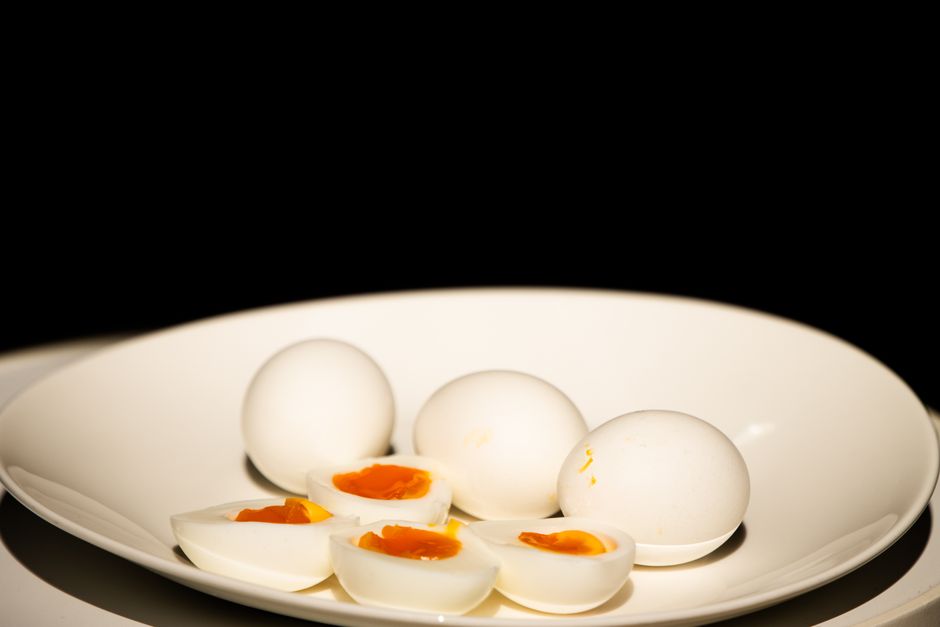
Boiling eggs seems simple, but the difference between a perfect soft-cooked egg and a rubbery, gray-yolked mistake comes down to minutes. For a hard-boiled egg, the standard time is 9 to 12 minutes in boiling water, depending on your desired yolk texture. At 9 minutes the yolk is soft and slightly jammy, at 11 minutes it is mostly set with a tiny bit of softness, and at 12 minutes it is fully firm. This guide breaks down the exact timeline, the best methods, and how to avoid the common pitfalls that ruin perfectly good eggs.
What Is the Exact Timeline for Hard Boiled Eggs?
The most reliable method starts with eggs in a pot of cold water, brought to a rolling boil, then removed from heat and covered. The total time in the hot water after boiling begins determines the final texture.
Here is the standard timeline for large eggs. If you use medium or jumbo eggs, adjust by about one minute in either direction.
- 9 minutes: Yolk is soft, bright yellow, and slightly jammy in the center.
- 10 minutes: Yolk is mostly set but still moist and tender.
- 11 minutes: Yolk is fully set with a slightly creamy texture.
- 12 minutes: Yolk is completely firm and pale yellow. This is the classic hard-boiled egg.
- 13+ minutes: Yolk becomes crumbly and may develop a greenish-gray ring around the outside.
For most recipes like egg salad or deviled eggs, 12 minutes is the sweet spot. If you plan to eat the egg plain, 11 minutes gives a creamier result.
Why Do Eggs Get a Green Ring Around the Yolk?
That greenish-gray layer on the outside of a hard-boiled yolk is not a sign of spoilage. It is a chemical reaction between iron in the yolk and sulfur in the white. When eggs are cooked too long or at too high a temperature, the sulfur and iron combine to form ferrous sulfide, which appears as that gray-green ring.
Overcooking is the main cause, but rapid cooling can also play a role. Plunging the eggs into an ice bath immediately after cooking stops the cooking process and helps prevent the ring from forming. The green ring is harmless and does not affect taste, but it does look unappetizing. If you consistently see it, reduce your cooking time by a minute or two.
What Is the Best Method: Boiling vs. Steaming?
Steaming eggs is a popular alternative to boiling because it often produces eggs that are easier to peel. To steam, place a steamer basket in a pot with about an inch of water, bring it to a boil, and add the eggs. Cover and steam for 12 minutes for hard-boiled eggs.
The science behind easier peeling is not fully settled, but some research suggests that steam heat causes the egg white to cook slightly faster than the membrane, pulling it away from the shell. Many home cooks report that steaming produces more consistent results than boiling. Both methods work well, so choose based on your equipment and preference.
Another common technique is the “cold start” method. Place eggs in a pot, cover with cold water by about an inch, bring to a full boil, then remove from heat and cover. Let them sit for 10 to 12 minutes. This method is gentler and less likely to crack the shells because the eggs heat up gradually.





How Do You Peel Hard Boiled Eggs Easily?
Peeling frustration is one of the most common complaints about hard-boiled eggs. The age of the egg matters more than any trick. Fresh eggs are harder to peel because the inner membrane clings tightly to the shell. Eggs that are about a week to ten days old peel much more easily because the membrane has had time to separate slightly from the shell as the egg loses carbon dioxide through its porous shell.
Regardless of egg age, the ice bath is your best tool. After cooking, transfer the eggs to a bowl of ice water and let them sit for at least 5 minutes. This shocks the egg and causes the protein to contract slightly, helping the shell release. Some people also find that gently cracking the shell all over before peeling, then rolling the egg between your hands, loosens the membrane enough to peel in large pieces.
If you are peeling many eggs at once, try peeling them under running water. The water helps wash away small shell fragments and lubricates the peeling process.
How Long Do Hard Boiled Eggs Last in the Refrigerator?
Hard-boiled eggs last up to one week in the refrigerator. The key is to store them in the shell until you are ready to eat them. The shell acts as a protective barrier against bacteria and helps the egg retain moisture.
Once peeled, hard-boiled eggs should be eaten within a day or two. Store peeled eggs in a covered container with a damp paper towel to keep them from drying out. Never leave hard-boiled eggs at room temperature for more than two hours. Bacteria multiply rapidly between 40°F and 140°F, and cooked eggs are especially vulnerable because the protective coating on the shell is removed during cooking.
It is a common misconception that hard-boiled eggs last longer than raw eggs. In fact, the opposite is true. Raw eggs in the shell can last three to five weeks in the refrigerator, while hard-boiled eggs last only one week. The cooking process removes the natural protective coating that keeps bacteria out.
How Can You Tell If a Hard Boiled Egg Is Done?
The most reliable way to know if an egg is done is to use a timer. Guessing based on appearance is difficult because the shell hides the yolk. If you are unsure, spin the egg on a flat surface. A fully cooked egg spins smoothly and quickly because the contents are solid. A raw or undercooked egg wobbles and stops quickly because the liquid inside shifts and creates resistance.
For precise results, you can also use a food thermometer. The center of a fully cooked hard-boiled egg should reach 160°F. Insert the thermometer through the shell into the center of the yolk for an accurate reading. This method is especially useful if you are cooking for someone with a compromised immune system or if you are unsure about the freshness of your eggs.
What Are the Health Benefits of Hard Boiled Eggs?
Hard-boiled eggs are a nutrient-dense food. One large egg contains about 6 grams of high-quality protein and only about 70 calories. They are also a good source of vitamin D, vitamin B12, selenium, and choline. Choline is important for brain health and is found in significant amounts in egg yolks.
Eggs are one of the few foods that naturally contain vitamin D, though the amount is modest. The yolk contains most of the vitamins and minerals, while the white is mostly protein and water. For years, eggs were linked to high cholesterol concerns, but current dietary guidelines do not restrict egg consumption for most healthy people. The cholesterol in eggs has a relatively small effect on blood cholesterol for the majority of individuals. If you have heart disease or diabetes, talk to your doctor about how many eggs fit into your diet.
Does the Cooking Method Change the Nutrition?
Boiling does not significantly change the nutritional profile of an egg compared to other cooking methods. The main difference is that boiling adds no extra fat or calories, unlike frying in butter or oil. Some research suggests that cooking eggs at high temperatures for long periods may reduce certain antioxidants, but boiling at a gentle temperature preserves most nutrients.
One important note: the longer you cook an egg, the more the protein structure changes. Overcooked eggs become rubbery and less palatable, but they are not harmful. The green ring around the yolk is a chemical reaction, not a sign of nutrient loss or spoilage.
Frequently Asked Questions
How long should I boil eggs for hard boiled?
Boil large eggs for 9 to 12 minutes depending on your preferred yolk texture. At 12 minutes the yolk is fully firm and classic hard-boiled.
Do I start counting when the water boils or when I put eggs in?
Start counting when the water reaches a full rolling boil. If you remove the pot from heat and cover it, the eggs continue cooking in the hot water.
Why are my hard boiled eggs hard to peel?
Fresh eggs are harder to peel because the membrane clings tightly to the shell. Use eggs that are a week to ten days old and cool them in an ice bath immediately after cooking.
Can I eat a hard boiled egg with a green yolk?
Yes, the green ring is harmless. It is a chemical reaction from overcooking and does not affect the taste or safety of the egg.
