
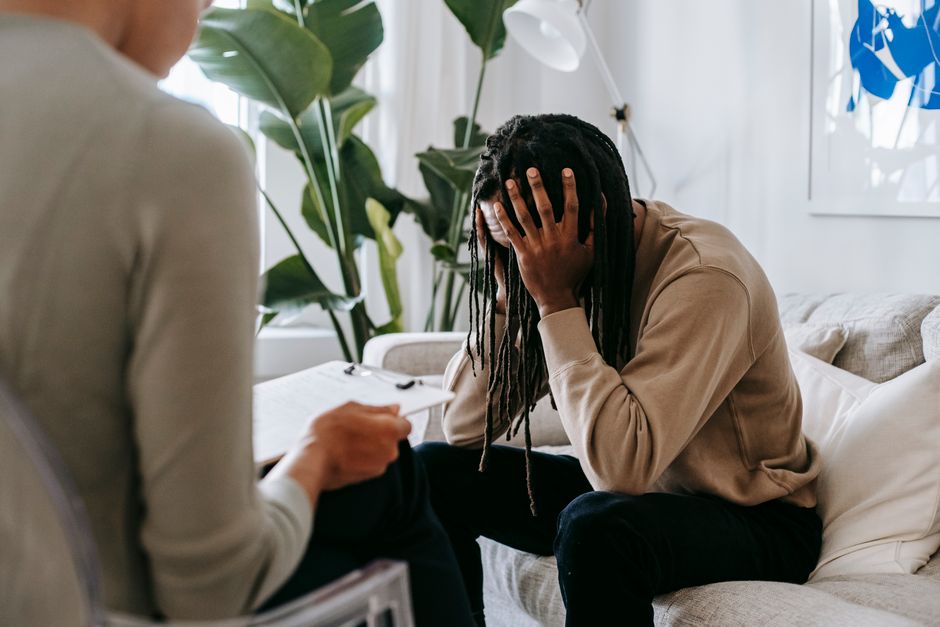
Stress does not stay inside your body. It leaks out into how you talk, how you listen, and how you react to the people closest to you. When stress is high, your patience gets thin, your temper gets short, and the people who love you often feel the impact before you even notice it yourself. The good news is that understanding exactly how stress changes your behavior is the first step toward protecting your most important relationships.
How Stress Changes Your Brain and Body
When you face a stressful situation, your body releases hormones like cortisol and adrenaline. This is your fight-or-flight response. It is designed to help you survive immediate danger. Your heart beats faster, your muscles tense, and your brain shifts into survival mode.
The problem is that modern stress rarely involves a physical threat. It involves deadlines, bills, arguments, and endless to-do lists. Your body cannot tell the difference. It reacts to a difficult email the same way it reacts to a bear in the woods.
This state of high alert changes how you process information. Your brain prioritizes threats over nuance. You become more likely to interpret a neutral comment as a criticism. You are quicker to snap and slower to apologize. This is not a character flaw. It is a physiological response that makes genuine connection harder.
Chronic stress keeps these hormones elevated for long periods. Over time, this affects your memory, your mood, and your ability to regulate emotions. Research consistently shows that prolonged stress reduces your capacity for empathy and makes it harder to see a situation from someone else’s perspective.
Why Stress Makes You Withdraw From People
One of the most common stress responses is withdrawal. When you feel overwhelmed, your natural instinct is to pull back. You cancel plans. You give short answers. You spend more time on your phone and less time actually talking.
This withdrawal is often misinterpreted by the people around you. A partner may read your silence as rejection. A friend may think they did something wrong. A child may believe they are the reason you are upset. None of this may be true, but the damage is done through perception alone.
Stress also drains the energy you need for social interaction. Meaningful conversation requires attention, patience, and emotional availability. When stress consumes those resources, you have little left for the people who matter most. You may find yourself physically present but emotionally absent.
Some studies suggest that stressed individuals become less responsive to positive social cues. You may miss a partner’s attempt to connect or fail to notice that a friend needs support. The very connections that could help you manage stress become harder to maintain when you need them most.
How Stress Leads to Conflict With Family and Friends
Irritability is a direct consequence of stress. Small annoyances that you would normally brush off become major triggers. A partner leaving dishes in the sink or a friend running late can provoke a reaction that is wildly out of proportion to the event.
This happens because stress lowers your threshold for frustration. Your emotional reserves are already depleted. Any additional demand feels unbearable. You lash out not because the situation is serious, but because your capacity to cope is already maxed out.
Stress also impairs communication. When you are stressed, you are more likely to use absolute language like “always” and “never.” You are more likely to interrupt. You are more likely to hear what you expect to hear rather than what is actually said. These communication breakdowns create conflict that would not exist under normal conditions.
Arguments that start over something trivial often escalate because neither person is actually arguing about the dishes or the lateness. They are arguing about feeling unheard, unappreciated, or uncared for. Stress makes it nearly impossible to step back and recognize this dynamic in the moment.





Can Stress Actually Strengthen Relationships
Stress is not always destructive. Some research suggests that couples and friends who face challenges together can emerge with stronger bonds. Shared adversity creates a sense of “us against the problem” rather than “me against you.”
The difference comes down to how stress is handled. When both people recognize that stress is the enemy and not each other, they can work as a team. This requires a level of awareness and communication that is difficult to maintain under pressure, but it is possible.
Some studies indicate that partners who openly discuss their stress with each other report higher relationship satisfaction than those who hide it. Being vulnerable about your struggles invites support. It gives the other person a chance to understand your behavior rather than take it personally.
This does not mean stress is good for relationships. It means that the way you respond to stress determines the outcome. Stress itself is neutral. Your response to it is what creates either distance or connection.
Practical Ways to Protect Your Relationships During Stressful Times
The first step is naming what is happening. When you feel yourself getting short or withdrawn, say it out loud. Tell your partner or friend, “I am really stressed right now, and I know I am not being easy to be around.” This simple statement changes the dynamic. It gives the other person context instead of leaving them to guess.
Schedule intentional connection time. Stress makes you want to cancel plans, but isolation makes stress worse. Even twenty minutes of undivided attention with someone you care about can break the cycle. Put your phone away. Look at the person. Ask real questions.
Build in physical recovery. Exercise, sleep, and proper nutrition are not luxuries. They are the foundation of emotional regulation. A well-rested body handles stress far better than an exhausted one. Protect your sleep schedule even when your to-do list is screaming for attention.
Practice repair after conflict. Every couple and every friendship has arguments. The key is what happens after. A genuine apology, a moment of connection, or a simple acknowledgment that you were not at your best can repair damage quickly. The longer you wait to repair, the harder it becomes.
Consider professional support. If stress is consistently damaging your relationships, a therapist can help. Couples counseling is not just for relationships in crisis. It can teach communication skills that make stressful periods more manageable. Individual therapy can also help you understand your stress patterns and develop healthier coping mechanisms.
When Stress Becomes Something More Serious
Everyone experiences stress. But when stress becomes chronic, it can develop into anxiety or depression. These conditions require professional treatment, not just lifestyle changes.
Warning signs include persistent sadness, loss of interest in activities you used to enjoy, changes in appetite or sleep, difficulty concentrating, and thoughts of self-harm or suicide. If you or someone you love is experiencing these symptoms, speak to a healthcare provider. If there is immediate danger, call emergency services.
Stress that damages your relationships to the point of isolation is a serious problem. Withdrawal from social connections is both a symptom and a cause of worsening mental health. The people who love you want to help. Letting them in is not weakness. It is one of the most protective things you can do for your health.
Remember that your relationships are not a distraction from stress management. They are part of it. Strong social connections are consistently linked to better physical and mental health outcomes. Protecting those connections during stressful periods is not optional. It is essential.
Frequently Asked Questions
Why do I push people away when I am stressed?
Stress triggers a withdrawal response that makes you want to isolate. This is a physiological reaction, but it is often misinterpreted by others as rejection or anger.
Can stress permanently damage a relationship?
Stress alone does not permanently damage relationships, but chronic unmanaged stress can create patterns of conflict and withdrawal that erode trust over time. Repair is possible when both people are willing to address the patterns.
How do I tell my partner I am stressed without starting an argument?
Use a direct statement like “I am feeling overwhelmed right now and need some support.” This names your state without blaming them or expecting them to read your mind.
Is it better to handle stress alone or with help?
Research consistently shows that social support is one of the most effective buffers against stress. Handling it alone usually makes it worse, not better.
