
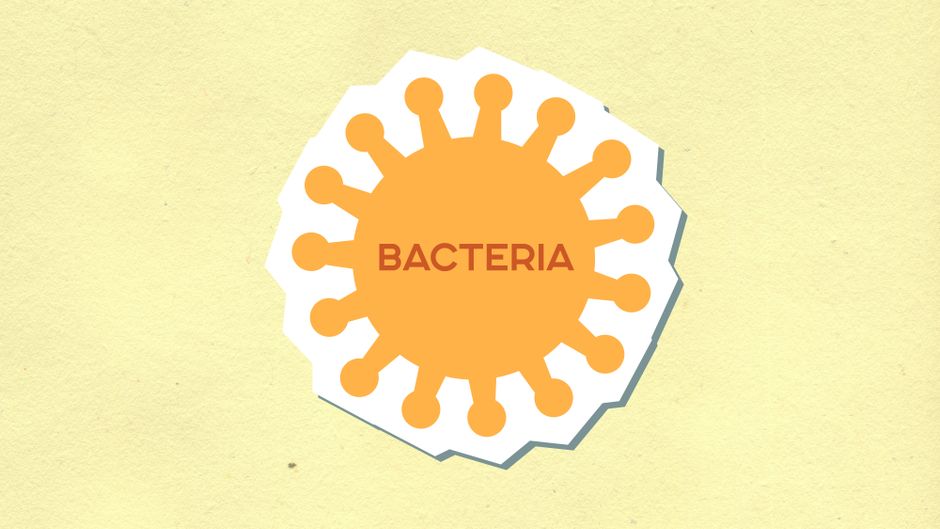
Yes, your body is full of good bacteria, and they are essential for keeping you healthy. These tiny organisms live mainly in your gut and help with digestion, support your immune system, and even affect your mood. Without them, your body would struggle to process food and fight off harmful germs.
What Exactly Is Good Bacteria and Where Does It Live?
Good bacteria are live microorganisms that benefit your body when you have enough of them. Scientists call them probiotics. They are not the same as the bacteria that make you sick. Think of them as helpful tenants living inside you.
Most of these bacteria live in your large intestine. This community is called your gut microbiome. It contains trillions of bacteria from hundreds of different species. Each species has a specific job. Some break down fiber that your body cannot digest on its own. Others make vitamins like vitamin K and certain B vitamins.
Your gut microbiome also extends to your skin, mouth, and other areas. But the digestive tract holds the largest and most diverse population. Research shows that a healthy gut microbiome contains a wide variety of species. Less variety is linked to health problems like obesity and inflammatory bowel disease.
How Does Good Bacteria Help Your Digestion?
Good bacteria are essential for breaking down food. Your stomach and small intestine handle simple sugars, fats, and proteins. But complex carbohydrates like fiber reach your large intestine mostly unchanged. That is where good bacteria take over.
They ferment this fiber and produce short-chain fatty acids. These fatty acids feed the cells lining your colon. They also help your body absorb minerals like calcium and magnesium. Without these bacteria, you would miss out on important nutrients from plant foods.
Some good bacteria also help digest lactose. People who lack enough of these bacteria experience bloating and discomfort after dairy. Studies have found that certain probiotic strains can improve lactose digestion in people with intolerance.
Good bacteria also keep your bowel movements regular. They add bulk to stool and help it move through your colon at a healthy pace. Constipation and diarrhea are both linked to imbalances in gut bacteria.
Can Good Bacteria Boost Your Immune System?
Research shows that good bacteria train your immune system. They interact with immune cells in your gut and help them tell the difference between harmless substances and real threats. This process starts at birth and continues throughout your life.
About 70 percent of your immune cells live in your gut. Good bacteria communicate with these cells through chemical signals. They help your body produce antibodies and activate immune cells when needed. Some studies suggest that people with diverse gut bacteria get fewer infections.
Good bacteria also strengthen the gut barrier. The lining of your intestines acts as a wall that keeps harmful substances out. When this barrier weakens, toxins and bacteria can leak into your bloodstream. This condition is called leaky gut. Evidence indicates that certain probiotics help maintain a strong gut barrier.
But do not believe claims that probiotics can cure autoimmune diseases. The evidence is not that strong. Some studies suggest benefits for conditions like eczema and allergies, but results vary. As of 2026, current research suggests that probiotics are most helpful for general immune support, not for treating specific diseases.

Does Good Bacteria Affect Your Mood and Brain?
This is one of the most interesting areas of research. Scientists have found a direct connection between your gut and your brain called the gut-brain axis. Good bacteria produce neurotransmitters like serotonin and dopamine.
In fact, about 90 percent of your body’s serotonin is made in your gut. Serotonin affects mood, sleep, and appetite. Some studies suggest that people with depression have different gut bacteria compared to people without depression. But this does not prove that changing your gut bacteria will cure depression.
Animal studies have shown that giving probiotics to mice reduces anxiety-like behavior. Human studies are smaller and less consistent. Some people report feeling calmer or sleeping better after taking probiotics. But strong clinical evidence for probiotics as a treatment for anxiety or depression is still lacking.
What the evidence does show is that a healthy gut microbiome supports overall brain function. Inflammation in the body, including from an unhealthy gut, is linked to mood disorders. Eating foods that feed good bacteria may help reduce inflammation and support mental health indirectly.
How Do You Get More Good Bacteria Naturally?
You can increase your good bacteria through diet. Fermented foods are the most direct source. Yogurt with live cultures, kefir, sauerkraut, kimchi, and kombucha all contain probiotics. Look for labels that say “live and active cultures” to ensure the bacteria are still alive.
Prebiotics are just as important. These are types of fiber that feed the good bacteria already living in your gut. Foods rich in prebiotics include garlic, onions, leeks, asparagus, bananas, and oats. Eating these foods helps your existing bacteria grow and thrive.
Fiber from fruits, vegetables, legumes, and whole grains is the main fuel for gut bacteria. People who eat a wide variety of plant foods tend to have more diverse gut bacteria. Diversity is a marker of a healthy microbiome.
Avoiding unnecessary antibiotics also helps. Antibiotics kill both bad and good bacteria. Taking them only when prescribed and finishing the full course is important. But overusing them can wipe out beneficial bacteria and take months to recover.
Probiotic supplements are an option, but they are not necessary for everyone. Some studies show benefits for specific conditions like antibiotic-related diarrhea or irritable bowel syndrome. But supplements are not regulated like drugs. The quality and amount of bacteria vary widely between brands.
| Food Type | Examples | What It Does |
|---|---|---|
| Probiotic foods | Yogurt, kefir, kimchi, sauerkraut, kombucha | Provide live beneficial bacteria directly |
| Prebiotic foods | Garlic, onions, bananas, oats, leeks | Feed existing good bacteria |
| High-fiber foods | Beans, lentils, berries, whole grains, nuts | Support overall bacterial diversity |
| Polyphenol-rich foods | Dark chocolate, green tea, berries, red wine | Encourage growth of beneficial species |
What Are Common Misconceptions About Good Bacteria?
One common myth is that all bacteria in your body are bad. This is simply not true. You have ten times more bacterial cells than human cells. Most of them are harmless or helpful. The goal is not to eliminate bacteria but to maintain a healthy balance.
Another misconception is that taking a probiotic pill fixes everything. Your gut microbiome is complex and influenced by diet, stress, sleep, and medications. A single supplement cannot override an unhealthy lifestyle. Some people report feeling no difference after taking probiotics, and that is normal.
Some people believe that more bacteria is always better. That is not accurate. Certain strains can cause problems in people with weakened immune systems or severe illnesses. Always talk to a doctor before starting probiotics if you have a medical condition.
There is also hype around “restoring” your gut bacteria after antibiotics. While probiotics can help, research shows that eating a diverse diet rich in fiber is just as effective for recovery. Do not rely solely on a supplement to fix your gut health.
- Good bacteria help digest fiber and produce essential nutrients
- They train your immune system and strengthen your gut barrier
- They communicate with your brain through the gut-brain axis
- Fermented foods and high-fiber plant foods are the best sources
- Probiotic supplements can help in specific cases but are not magic
Frequently Asked Questions
What foods have the most good bacteria?
Fermented foods like yogurt, kefir, kimchi, sauerkraut, and kombucha contain high amounts of live beneficial bacteria. Look for products labeled with live and active cultures.
Can you have too much good bacteria?
Yes, excessive amounts from supplements can cause gas, bloating, or digestive upset in some people. People with weakened immune systems should consult a doctor before taking probiotics.
Do probiotics survive stomach acid?
Some strains survive better than others, but many are naturally resistant to stomach acid. Enteric-coated capsules can also help protect bacteria as they pass through the stomach.
How long does it take to restore good bacteria after antibiotics?
It can take several weeks to months depending on your diet and the type of antibiotic. Eating fermented foods and high-fiber plant foods helps speed up recovery.
