

H. pylori is a common stomach bacteria that can cause ulcers and other digestive problems. Removing it for good usually requires a full course of prescription antibiotics, often combined with a medication that reduces stomach acid. This treatment, called triple or quadruple therapy, is the only proven way to eliminate the infection, and finishing the entire course is essential to prevent the bacteria from returning.
What Is H. pylori and Why Does It Survive in the Stomach?
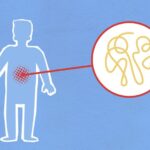
H. pylori, short for Helicobacter pylori, is a spiral-shaped bacterium that lives in the lining of the stomach. It is one of the few organisms that can survive in the highly acidic environment of the stomach. It does this by producing an enzyme called urease, which neutralizes stomach acid around it, allowing it to burrow into the protective mucus layer.
Most people who carry H. pylori never develop symptoms. However, in some people, the bacteria can damage the stomach lining, leading to gastritis, peptic ulcers, and in rare cases, stomach cancer. The World Health Organization classifies H. pylori as a Group 1 carcinogen, meaning it is a known cause of cancer in humans.
The infection is usually acquired in childhood, often through contaminated food, water, or close contact with an infected person. Once established, it can persist for decades if not treated.
How Is H. pylori Diagnosed?
Before treatment begins, the infection must be confirmed. Several tests are available, and the choice depends on symptoms and medical history.
The urea breath test is one of the most common. You drink a solution containing a special form of urea. If H. pylori is present, it breaks down the urea, and the resulting carbon is detected in your breath. This test is highly accurate and is often used to confirm that the infection has been cured after treatment.
Stool antigen tests detect H. pylori proteins in a stool sample. They are also quite accurate and non-invasive. Blood tests look for antibodies, but they cannot tell the difference between a current infection and a past one, so they are less useful for confirming eradication.
An endoscopy with biopsy is the most direct method. A thin tube with a camera is passed into the stomach, and a small tissue sample is taken and tested. This is typically reserved for people with severe symptoms, bleeding, or other risk factors.
What Is the Standard Treatment for H. pylori?
The standard treatment for H. pylori is a combination of medications taken together for 10 to 14 days. This is not optional or flexible. The bacteria has become resistant to single antibiotics, so a combination approach is required.
Triple therapy typically includes two different antibiotics plus a proton pump inhibitor (PPI), which reduces stomach acid. Common antibiotics used include clarithromycin and amoxicillin, or metronidazole. The PPI helps the antibiotics work more effectively by raising the pH of the stomach.
Quadruple therapy adds a fourth medication, usually bismuth subsalicylate, which is the active ingredient in Pepto-Bismol. This is often used when there is known resistance to clarithromycin, or when a patient has been treated before and the first attempt failed.
Your doctor may also recommend a medication called bismuth, which coats the stomach lining and has some direct antibacterial activity. The exact combination depends on local resistance patterns, your allergy history, and whether you have been treated before.




Why Do Some People Need More Than One Round of Treatment?
Treatment failure is not rare. Studies suggest that the first course of therapy successfully eradicates the infection in roughly 70 to 90 percent of cases. The most common reason for failure is antibiotic resistance.
If the bacteria is resistant to one of the antibiotics in the regimen, that drug will not kill it. This is why it is critical to take the full course exactly as prescribed. Stopping early, even if you feel better, gives the surviving bacteria a chance to multiply and develop further resistance.
When the first treatment fails, a second course with different antibiotics is needed. Before prescribing a second round, doctors may recommend a culture test, where a biopsy sample is grown in a lab to see which antibiotics are effective. This is called susceptibility testing, and it helps guide the choice of the next regimen.
It is also important to be honest with your doctor about any antibiotics you have taken in the past for other infections. Prior use of certain antibiotics, like clarithromycin or metronidazole, can increase the chance that H. pylori is already resistant to them.
How To Remove H Pylori Stomach Bacteria For Good?
The phrase “for good” is important. Eradication means the bacteria is completely gone, not just suppressed. The only way to achieve this is to complete a full course of prescribed antibiotics and then confirm with a test that the bacteria is gone.
After finishing the medication, you must wait at least four weeks before taking a follow-up test. This is because PPIs and antibiotics can suppress the bacteria temporarily, leading to a false negative result. The urea breath test or stool antigen test is typically used for this confirmation.
If the follow-up test is negative, the infection is considered cured. Re-infection is possible but uncommon in adults in developed countries. The risk is higher in areas with poor sanitation or where the infection is very common.
Taking probiotics during treatment may help reduce side effects like diarrhea and nausea, but it does not replace the antibiotics. Some research suggests probiotics might improve eradication rates, but the evidence is not strong enough to recommend them as a treatment on their own. They are a supportive measure, not a cure.
Can Natural Remedies Remove H. pylori?
Many websites claim that natural products can kill H. pylori. The evidence for this is limited and inconsistent.
Some laboratory studies have shown that substances like green tea, honey, garlic, and broccoli sprouts have antibacterial activity against H. pylori in a petri dish. However, what happens in a lab does not always happen in the human stomach. The concentration needed to kill the bacteria in a person is often much higher than what can be achieved through diet.
Some small clinical trials have suggested that broccoli sprouts, which contain a compound called sulforaphane, may reduce H. pylori activity temporarily. But the effect is not strong enough to eliminate the infection. The bacteria usually returns once the sprouts are stopped.
There is no credible evidence that any herbal supplement, tea, or dietary change can replace antibiotics for H. pylori eradication. If you have a confirmed infection, delaying or avoiding medical treatment allows the bacteria to continue damaging your stomach lining. This increases the risk of ulcers and other complications.
What Happens If H. pylori Is Left Untreated?
Untreated H. pylori does not go away on its own. The bacteria can live in the stomach for a lifetime. Over time, it can cause chronic gastritis, which is inflammation of the stomach lining. This can lead to stomach pain, bloating, and nausea.
Peptic ulcers are the most common complication. These are open sores that form on the lining of the stomach or the upper part of the small intestine. They can cause burning stomach pain, bleeding, and in severe cases, a perforation that requires emergency surgery.
Long-term infection also increases the risk of gastric cancer and a type of lymphoma called gastric MALT lymphoma. While the absolute risk is low for any individual, it is significant enough that treatment is recommended for everyone with a confirmed infection, even those without symptoms.
How Can You Prevent Re-Infection?
Once you are cured, the risk of getting H. pylori again is low in most developed countries. The bacteria is spread through contaminated food, water, or direct contact with saliva, vomit, or stool.
Good hygiene is the main prevention. Wash your hands thoroughly with soap and water after using the bathroom and before handling food. Drink safe, treated water. Eat food that is properly cooked and stored.
In households where one person has been treated, other family members may also be infected. Routine testing of asymptomatic family members is not generally recommended in developed countries, but it may be considered in certain situations, especially if someone in the household has recurring symptoms.
What Should You Expect During Treatment?
Treatment is not always comfortable. The antibiotics can cause a metallic taste in the mouth, nausea, loose stools, and stomach upset. These side effects are usually temporary and resolve once the medication is finished.
Taking the medication with food can help reduce nausea. Drinking plenty of water is also helpful. If side effects become severe or you develop a rash, difficulty breathing, or signs of an allergic reaction, contact your doctor immediately.
Do not stop the medication early because of side effects without speaking to your doctor first. Stopping early is one of the leading causes of treatment failure. If the side effects are truly unbearable, your doctor may be able to switch you to a different antibiotic combination.
How Do You Know the Treatment Worked?
The only way to know is through a follow-up test. You should not assume you are cured just because you feel better. Symptoms can improve even when the bacteria is still present, especially if you are taking a PPI that reduces acid and masks the problem.
The follow-up test is usually done four to eight weeks after completing the antibiotics. You must stop taking PPIs for at least two weeks before the test, as they can interfere with the results. Your doctor will give you specific instructions.
If the test is negative, you are cured. If it is positive, you will need a second course of treatment with different antibiotics. Do not be discouraged. Second-line therapy is common and has a good success rate when the right antibiotics are chosen.
Frequently Asked Questions
How long does it take to get rid of H. pylori?
Treatment typically lasts 10 to 14 days with a combination of antibiotics and acid reducers. A follow-up test is done at least four weeks after finishing to confirm the bacteria is gone.
Can H. pylori come back after treatment?
Re-infection is uncommon in adults in developed countries, with rates generally below 5 percent. The risk is higher in areas with poor sanitation or crowded living conditions.
What foods should you avoid with H. pylori?
There is no specific diet that cures H. pylori, but avoiding spicy, greasy, and highly acidic foods can help reduce stomach irritation during treatment. Alcohol and smoking should also be avoided as they can worsen stomach lining damage.
Is H. pylori contagious between family members?
Yes, H. pylori can spread through close contact, shared utensils, or contaminated food and water. However, routine testing of asymptomatic family members is not generally recommended in developed countries.
