
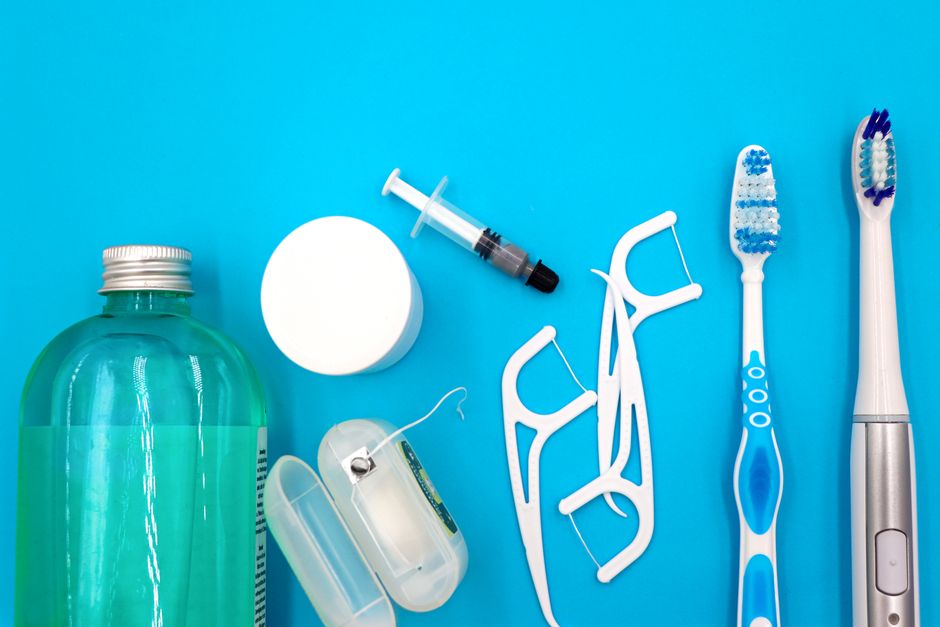
Your mouth is home to billions of bacteria. Most are harmless, but some cause plaque, cavities, and gum disease. You cannot remove all bacteria, and you should not try to. The goal is to control their numbers and keep the harmful types from taking over. Natural methods can do this effectively, but they work best when paired with brushing and flossing. Here is what the evidence actually shows about reducing oral bacteria without harsh chemicals.
Does Oil Pulling Actually Remove Bacteria?
Oil pulling is an ancient Ayurvedic practice. You swish oil, usually coconut or sesame, around your mouth for 15 to 20 minutes. The idea is that the oil traps bacteria and pulls them away from teeth and gums.
Some research supports this. Studies have found that oil pulling reduces plaque and gingivitis when done consistently. Coconut oil contains lauric acid, which has natural antibacterial properties in laboratory tests. But the evidence base is modest. Most studies are small, and results vary.
Oil pulling is not a replacement for brushing. It can be a useful addition to your routine, but it does not remove the sticky biofilm that forms on teeth as effectively as mechanical brushing does. If you try it, do not swallow the oil. Spit it into a trash can, not the sink, to avoid clogging drains.
Can Baking Soda Kill Harmful Oral Bacteria?
Baking soda is one of the most studied natural ingredients for oral health. It works in two ways. First, it is mildly abrasive, which helps physically scrub plaque off tooth surfaces. Second, it raises the pH in your mouth, creating an environment where acid-loving bacteria struggle to survive.
Research consistently shows that toothpaste containing baking soda removes plaque more effectively than toothpaste without it. It also neutralizes acids produced by bacteria, which protects enamel from demineralization.
You can use baking soda as a simple paste with water. But use it gently. Over-brushing with baking soda can wear down enamel over time because it is more abrasive than standard toothpaste. Limit use to a few times per week if you are brushing with it directly.
Does Salt Water Rinse Reduce Bacteria?
A salt water rinse is a common home remedy for mouth sores and post-dental procedure care. It works by creating a high-salt environment. This draws fluid out of oral tissues through osmosis, which can reduce swelling and help rinse away debris.
Salt water does not kill bacteria the way an antiseptic mouthwash does. It creates conditions that are less favorable for bacterial growth, but it is not a disinfectant. It is most useful for soothing irritated gums and keeping a healing area clean.
For daily use, a salt water rinse is safe for most people. Dissolve about half a teaspoon of salt in a glass of warm water. Swish for 30 seconds and spit. Do not swallow it. If you have high blood pressure, talk to your doctor before using salt rinses regularly, since some salt can be absorbed through oral tissues.




Which Foods Naturally Fight Oral Bacteria?
Your diet directly shapes the bacterial community in your mouth. Bacteria feed on sugars and refined carbohydrates. When they digest these foods, they produce acids that erode enamel and cause cavities. Cutting back on sugar is the single most effective dietary change for reducing harmful oral bacteria.
Some foods actively support oral health. Crisp fruits and vegetables like apples and carrots stimulate saliva production. Saliva is your mouth’s natural defense system. It washes away food particles, neutralizes acids, and contains antimicrobial proteins.
Green tea contains catechins, which have demonstrated antibacterial properties in laboratory studies. Some research suggests that drinking green tea is associated with lower levels of certain oral bacteria. The evidence is promising but not definitive.
Foods rich in polyphenols, like berries and nuts, may also interfere with bacteria’s ability to stick to teeth. Cranberries, in particular, contain compounds that laboratory studies show can prevent bacteria from adhering to surfaces. But cranberry juice is often high in sugar, which defeats the purpose. Whole cranberries or unsweetened cranberry products are better choices.
Does Probiotics Help Balance Mouth Bacteria?
Probiotics are live microorganisms that provide health benefits when consumed. Most people associate them with gut health, but oral probiotics are a growing area of research. The mouth has its own unique microbiome, and some studies suggest that certain probiotic strains can reduce the levels of bacteria linked to cavities and gum disease.
The evidence is still emerging. Some clinical trials have found that probiotic lozenges or yogurt containing specific strains, such as Lactobacillus and Bifidobacterium, can reduce plaque and gingivitis. Other studies show little to no benefit. The results vary based on the strain used, the delivery method, and the individual’s baseline oral health.
No clinical guidelines currently recommend specific probiotic products for oral health. If you choose to try them, look for products specifically labeled for oral use. But do not expect probiotics to replace brushing, flossing, or professional cleanings.
Why Is Brushing and Flossing Still the Gold Standard?
Natural remedies can support oral health, but they cannot replace mechanical cleaning. The bacteria in your mouth form a sticky film called plaque. Within 24 to 48 hours, plaque hardens into tartar, which cannot be removed by brushing alone.
Brushing physically disrupts this biofilm. It breaks up bacterial colonies before they can mature and cause damage. Flossing reaches the spaces between teeth where a toothbrush cannot go. These are the areas where cavities and gum disease most often start.
The American Dental Association recommends brushing twice a day with fluoride toothpaste and cleaning between teeth once a day. Fluoride is important because it strengthens enamel and helps reverse early signs of tooth decay. Natural toothpastes without fluoride do not provide this protection.
If you prefer natural oral care products, look for ones that contain fluoride. There are natural toothpastes that combine botanical ingredients with fluoride, offering both approaches in one product.
What About Mouthwash and Tongue Scraping?
Mouthwash can be a useful addition to your oral care routine, but it is not a substitute for brushing. Antimicrobial mouthwashes containing chlorhexidine are effective at reducing bacteria, but they are typically used for short periods under dental supervision. Long-term use can stain teeth and alter taste.
Alcohol-free mouthwashes with essential oils, like those containing thymol or eucalyptol, have some evidence of effectiveness. They reduce plaque and gingivitis when used consistently. But they are not more effective than brushing and flossing alone.
Tongue scraping is a practice backed by solid evidence. Your tongue harbors a significant amount of oral bacteria, especially toward the back. Scraping removes this bacterial load and reduces bad breath. Research shows that tongue scraping is more effective at reducing volatile sulfur compounds, the gases that cause halitosis, than brushing the tongue with a toothbrush.
How To Remove Bacteria From Teeth Naturally Without Damaging Enamel
The key to natural oral care is balance. Over-zealous cleaning can damage your teeth. Enamel does not regenerate. Once it is gone, it is gone.
Avoid acidic natural remedies. Lemon juice and apple cider vinegar are sometimes promoted as teeth whiteners or bacteria fighters. They are highly acidic and can erode enamel with regular use. No study has confirmed that these acids provide any oral health benefit that outweighs the damage they cause.
Charcoal is another popular natural trend. Activated charcoal is abrasive and can remove surface stains. But there is no evidence that it kills bacteria, and its abrasiveness can wear away enamel with long-term use. Some charcoal toothpastes do not contain fluoride, which leaves your teeth more vulnerable to decay.
If you want to use natural methods, focus on the ones with evidence behind them. Baking soda, salt water, green tea, and oil pulling all have some support. Use them alongside, not instead of, standard oral care.
Frequently Asked Questions
Can bacteria be completely removed from teeth?
No. Hundreds of bacterial species naturally live in your mouth, and many are beneficial. The goal is controlling harmful bacteria, not eliminating all of them.
How long does oil pulling take to reduce bacteria?
Some studies show reductions in plaque and bacteria after one to two weeks of daily oil pulling. Results vary by individual and consistency.
Is coconut oil better than other oils for oil pulling?
Coconut oil is the most studied and contains lauric acid with antibacterial properties in laboratory tests. Other oils like sesame have been used traditionally but have less research behind them.
Does baking soda damage tooth enamel?
Baking soda is mildly abrasive and can wear down enamel if used too aggressively or too often. Limit direct use to a few times per week and brush gently.
