
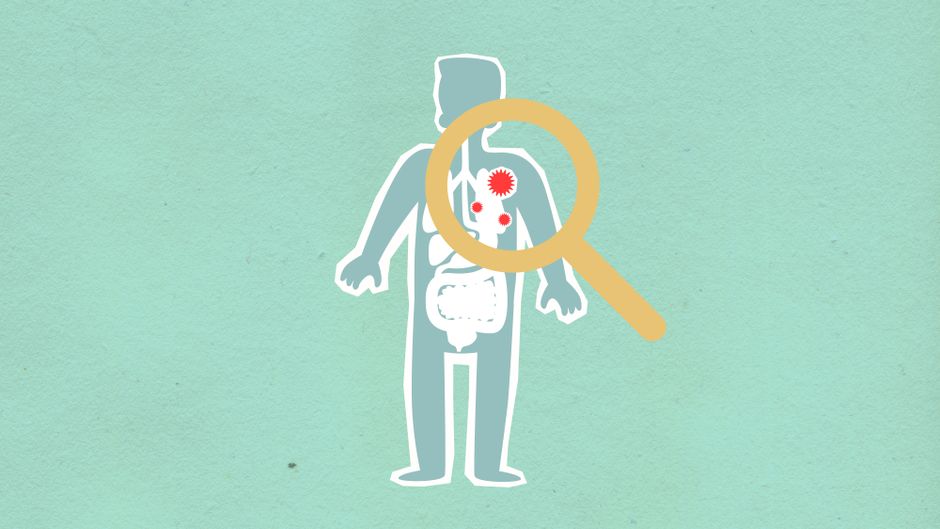
Diarrhea is your body’s way of flushing something out of your digestive tract, and in many cases, that something is harmful bacteria. The short answer is that diarrhea primarily helps your body get rid of bacteria, but it can also help those bacteria spread to other people. Both things are true at the same time. Your body uses diarrhea as a defense mechanism to expel pathogens, yet the very waste that carries those pathogens out of your body can contaminate food, water, and surfaces if hygiene is poor.
Why Does the Body Cause Diarrhea in the First Place?
Diarrhea is not a disease itself. It is a symptom, and it is often a protective response. When harmful bacteria like Salmonella, E. coli, or Campylobacter enter your intestines, they attach to the intestinal lining and release toxins. These toxins irritate the cells lining your gut.
Your body responds by increasing the amount of fluid in the intestines. It also speeds up the movement of waste through your colon. The goal is simple: push the bacteria out before they can multiply and cause more damage. Research consistently shows that this flushing mechanism is an active immune defense, not just a random malfunction.
In this sense, diarrhea is working for you. It is a biological cleanup crew. The faster the bacteria leave your system, the less time they have to invade deeper tissues or produce more toxins.
Can Diarrhea Actually Help Bacteria Spread?
Yes, and this is where the picture gets more complicated. From the bacteria’s perspective, diarrhea is a highly effective way to reach new hosts. The whole point of a pathogen is to survive and reproduce, and to do that, it needs to leave your body and find another person.
When you have diarrhea, you produce large volumes of liquid stool that is teeming with live bacteria. If you do not wash your hands thoroughly after using the bathroom, those bacteria transfer to doorknobs, phones, food, and other people’s hands. In areas with poor sanitation, contaminated water supplies spread these bacteria to entire communities.
This is why public health experts emphasize handwashing so heavily. The diarrhea that protects you can easily become a public health hazard if the bacteria it contains end up in someone else’s drinking water or meal. The bacteria essentially hijack your body’s defense mechanism as their own transportation system.
When Does Diarrhea Become Dangerous?
Diarrhea is protective, but it is not without risk. The main danger is dehydration. Your body loses water and essential electrolytes like sodium and potassium with every loose stool. For healthy adults, this is usually manageable for a day or two. For infants, young children, older adults, and people with weakened immune systems, dehydration can become life-threatening quickly.
Signs of dehydration include extreme thirst, dry mouth, dark urine, dizziness, and fatigue. In severe cases, you may stop urinating, feel confused, or experience a rapid heart rate. If you or someone you care for shows these signs, medical attention is needed promptly.
Another concern is prolonged diarrhea. Most bacterial diarrhea resolves within three to seven days. If diarrhea lasts longer than two weeks, it is considered persistent and requires medical evaluation. This could mean the infection is not clearing on its own, or another condition is at play.



Should You Take Medication to Stop Diarrhea?
This is one of the most common questions, and the answer depends on the cause. For bacterial infections, letting diarrhea run its course is often the right move. Your body is actively removing the bacteria. Slowing that process down with anti-diarrheal medication may keep the bacteria in your intestines longer.
Some research suggests that medications like loperamide (Imodium) can be safe in mild cases, but they are generally not recommended when there is blood in the stool or a high fever. Those symptoms suggest a more invasive bacterial infection, and trapping the bacteria inside could lead to worse outcomes.
For viral diarrhea, which is the most common type, anti-diarrheal medications are generally considered safe for adults. The virus will clear on its own, and the medication can help you get through a workday or a long car ride. However, the safest approach for bacterial diarrhea is to stay hydrated and let your body do its job.
If you are unsure whether your diarrhea is bacterial or viral, it is reasonable to avoid anti-diarrheal medication until you know more. When in doubt, focus on fluid replacement and monitor your symptoms.
What Is the Best Way to Recover From Diarrhea?
Fluid replacement is the cornerstone of recovery. Plain water is helpful, but it does not replace the electrolytes you are losing. Oral rehydration solutions, which contain a precise balance of water, salt, and sugar, are the most effective option. These are available at most pharmacies and are recommended by health organizations worldwide for managing diarrhea.
Clear broths, diluted fruit juices, and sports drinks can also help, though sports drinks are not specifically formulated for diarrhea-related dehydration. They contain sugar and electrolytes, but often not in the right proportions.
Once your stomach settles, eating bland foods can help you regain strength. The BRAT diet — bananas, rice, applesauce, and toast — is a traditional recommendation. It is low in fiber and easy on the digestive system. You do not need to restrict yourself to these four foods, but they are a safe starting point. Avoid dairy, fatty foods, and highly spiced foods until you are fully recovered.
Probiotics are another area of interest. Some studies suggest that certain probiotic strains may shorten the duration of diarrhea, particularly when it is caused by antibiotics or certain infections. The evidence is not strong enough to recommend a specific strain or dose for all cases, but eating yogurt with live cultures or taking a general probiotic is unlikely to cause harm in healthy adults.
How Can You Prevent Spreading Bacteria to Others?
Prevention is straightforward, but it requires consistency. Wash your hands with soap and water for at least 20 seconds after using the bathroom. Hand sanitizer is a backup option, but soap and water are more effective against many diarrhea-causing bacteria, particularly Clostridioides difficile.
Clean and disinfect surfaces that may have come into contact with stool. This includes toilet handles, bathroom faucets, and any shared items like phones or remote controls. If you have diarrhea, do not prepare food for others until you have been symptom-free for at least 48 hours.
Stay home from work or school if you have active diarrhea, especially if you work in food service, healthcare, or childcare. The risk of spreading the infection to vulnerable people is simply too high.
When Should You See a Doctor?
Most cases of diarrhea resolve without medical treatment. However, certain warning signs should prompt a call to your doctor. Blood or mucus in the stool is a clear indicator that you need medical evaluation. A fever above 101°F (38.3°C) that lasts more than a day or two is also a reason to seek care.
Severe abdominal pain that is not relieved by passing stool, or pain that is localized to one spot, warrants attention. Inability to keep fluids down for more than 24 hours means you are at risk of dehydration and may need intravenous fluids.
For infants under three months, any diarrhea should be reported to a pediatrician. Older children and adults should seek care if diarrhea lasts more than a few days without improvement or if signs of dehydration become apparent.
Does Diarrhea Get Rid Of Bacteria Or Help It Spread?
The answer is both, and understanding the difference matters for your health and the health of those around you. For your own body, diarrhea is a defense mechanism that expels harmful bacteria. It shortens the duration of infection and reduces the bacterial load in your intestines. For the bacteria, diarrhea is an opportunity to spread. The liquid stool carries live pathogens into the environment, where they can infect new hosts.
Your job during a bout of diarrhea is to support the protective function while minimizing the spread. Stay hydrated, rest, and practice meticulous hand hygiene. Let your body clear the infection, and keep the bacteria from reaching anyone else.
Frequently Asked Questions
Should I let diarrhea run its course or stop it?
For bacterial diarrhea, letting it run its course is usually safer because your body is actively flushing out the bacteria. For viral diarrhea, anti-diarrheal medication is generally safe for adults, but avoid it if you have a fever or blood in your stool.
How long does bacterial diarrhea usually last?
Most bacterial diarrhea resolves within three to seven days. If it lasts longer than two weeks, seek medical evaluation.
What should I drink when I have diarrhea?
Oral rehydration solutions are the most effective choice because they replace both water and electrolytes. Clear broths and diluted juices can also help, but plain water alone does not replace lost electrolytes.
Can I catch diarrhea from someone else?
Yes, many diarrhea-causing bacteria are highly contagious. The bacteria spread through contaminated hands, food, water, or surfaces, which is why handwashing is critical after using the bathroom.
