
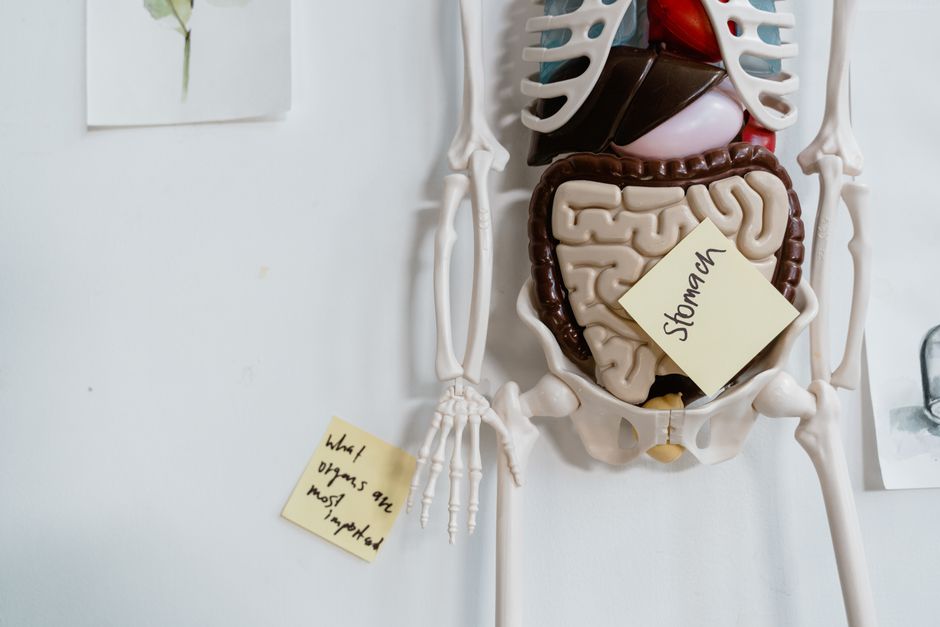
Yes, the pancreas is absolutely part of the digestive system. It is a vital organ that produces digestive enzymes and releases them into the small intestine. Without a functioning pancreas, your body cannot properly break down fats, proteins, and carbohydrates from food. This is not a debated point in medicine—it is a basic fact of human anatomy.
What Exactly Does the Pancreas Do in Digestion?
The pancreas has two main jobs in digestion. First, it makes pancreatic juice, which contains enzymes that break down food. Second, it releases this juice into the small intestine at the right time.
These enzymes include lipase for fats, amylase for carbohydrates, and proteases for proteins. The pancreas also produces bicarbonate, which neutralizes stomach acid as food enters the small intestine. Without this neutralization, the acid would damage the intestinal lining and stop enzymes from working.
Research shows that the pancreas produces about 1 to 1.5 liters of pancreatic juice each day. That is a lot of fluid for an organ that weighs only about 3 ounces in adults. The American Gastroenterological Association confirms that the pancreas is essential for normal digestion to occur.
Is the Pancreas Part of the Digestive System or the Endocrine System?
The pancreas belongs to both systems, but this confuses many people. It has a digestive (exocrine) function and a hormone (endocrine) function. These are separate jobs done by different types of cells within the same organ.
About 95 percent of the pancreas is made up of exocrine cells that produce digestive enzymes. The remaining 5 percent are clusters called islets of Langerhans, which make hormones like insulin and glucagon. These hormones control blood sugar, which is not a digestive job.
So the answer is both. The pancreas is part of the digestive system because of its enzyme production. It is also part of the endocrine system because of its hormone production. Calling it only one or the other leaves out half the story.
What Happens When the Pancreas Stops Working for Digestion?
When the pancreas fails to produce enough digestive enzymes, a condition called exocrine pancreatic insufficiency (EPI) occurs. The most common cause is chronic pancreatitis, but cystic fibrosis, pancreatic cancer, and surgery can also cause it.
Symptoms include greasy, foul-smelling stools that float, unexplained weight loss, bloating after eating, and abdominal pain. The CDC reports that about 1 in 10 people with chronic pancreatitis develop EPI. Many cases go undiagnosed because symptoms are mistaken for irritable bowel syndrome.
A simple stool test called fecal elastase-1 can measure pancreatic function. Levels below 200 micrograms per gram indicate EPI. Treatment involves taking pancreatic enzyme replacement therapy (PERT) with meals. These are prescription capsules that supply the enzymes the pancreas cannot make. Research published in Gastroenterology found that PERT improves nutrient absorption in 80 to 90 percent of EPI patients.





Can Your Digestive System Work Without a Pancreas?
Yes, but only with medical help. If the entire pancreas is removed in a surgery called a total pancreatectomy, the body loses both its digestive enzymes and its insulin production. This is a rare surgery, usually done for severe pancreatic cancer or chronic pancreatitis that does not respond to treatment.
Without a pancreas, a person must take pancreatic enzyme pills with every meal and snack for the rest of their life. They also become diabetic and need insulin injections because the cells that make insulin are gone. This is called pancreatogenic diabetes or type 3c diabetes.
The table below shows what changes after pancreas removal:
| Function | Before Removal | After Removal |
|---|---|---|
| Digestive enzyme production | Pancreas makes them | Must take enzyme pills |
| Insulin production | Pancreas makes it | Must inject insulin |
| Blood sugar control | Automatic | Requires monitoring and adjustments |
| Weight maintenance | Normal | Often need high-calorie diet and enzymes |
Living without a pancreas is possible, but it requires strict daily management. The National Institutes of Health notes that quality of life can be good with proper treatment and follow-up care.
What Are Common Myths About the Pancreas and Digestion?
One common myth is that the pancreas only matters for blood sugar. Many people associate the pancreas only with diabetes and do not realize its role in digestion. This is a misunderstanding that can delay diagnosis of pancreatic problems.
Another myth is that drinking water or taking herbal supplements can “cleanse” or “detox” the pancreas. As of 2026, there is no clinical evidence that any cleanse, juice fast, or herbal product improves pancreatic function. The pancreas does not accumulate toxins that need flushing. These claims are not supported by research from any credible medical institution.
A third myth is that pancreatic enzymes in over-the-counter supplements work the same as prescription enzymes. They do not. Prescription PERT is regulated by the FDA and has proven amounts of active enzymes. Over-the-counter supplements are not regulated and often contain too little enzyme to help. Some people report feeling better after taking them, but strong evidence is limited for their effectiveness in true pancreatic insufficiency.
- Myth: The pancreas only controls blood sugar. Fact: 95 percent of it is for digestion.
- Myth: Pancreatic cleanses improve function. Fact: No evidence supports this.
- Myth: Over-the-counter enzymes are the same as prescription. Fact: They are not equivalent in strength or regulation.
What Foods Support Pancreatic Digestive Health?
No food can repair a damaged pancreas or boost enzyme production beyond normal levels. But a balanced diet can reduce stress on the pancreas and prevent further damage. The key is eating foods that are easy to digest and low in fat.
For people with pancreatic issues, the recommended diet includes lean proteins like chicken, fish, and tofu. Complex carbohydrates from vegetables, whole grains, and fruits are also good. Healthy fats from sources like olive oil and avocados should be eaten in small amounts because fat is harder to digest without enough pancreatic enzymes.
The American College of Gastroenterology advises avoiding fried foods, fatty meats, full-fat dairy, and alcohol. Alcohol is directly toxic to pancreatic cells and is a leading cause of pancreatitis. Even moderate drinking can worsen existing pancreatic disease.
Eating smaller, more frequent meals instead of large ones also helps. This gives the pancreas a lighter workload throughout the day. Staying hydrated is important too, as dehydration can thicken pancreatic secretions and cause blockages in the duct.
Frequently Asked Questions
Frequently Asked Questions
Can you digest food without a pancreas?
Not without taking pancreatic enzyme pills with every meal. Your body cannot break down fats and proteins without these enzymes.
What are the first signs of a pancreas problem?
Upper abdominal pain that radiates to the back, greasy stools, and unexplained weight loss are common early signs.
Is the pancreas more important for digestion or blood sugar?
Both are essential, but its digestive function involves 95 percent of the organ. Blood sugar control uses only 5 percent.
Does stress affect the pancreas?
Stress does not directly damage the pancreas, but it can worsen symptoms in people who already have pancreatic disease.
