
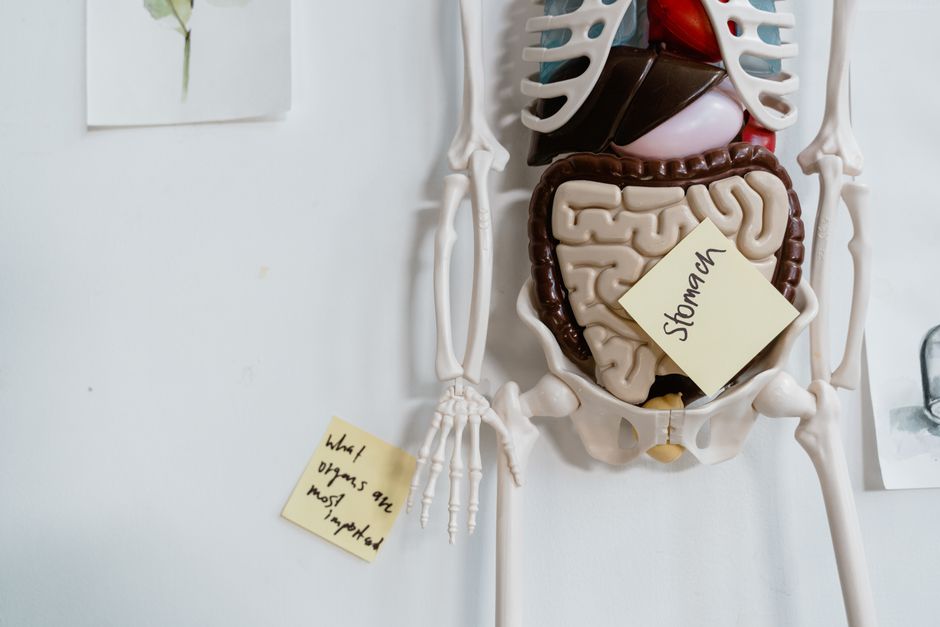
The pancreas sits behind your stomach doing two very different jobs at once. One job is digestive. The other is hormonal. For digestion, the pancreas makes enzymes that break down fat, protein, and carbohydrates. Without these enzymes, food would pass through your system mostly undigested. The pancreas releases these enzymes into the small intestine exactly when food arrives. It is a timing system that your body has perfected over millions of years.
Most people do not think about their pancreas until something goes wrong. But understanding how it works helps you make better choices about food and health. This article explains exactly what the pancreas does for digestion, what happens when it stops working well, and what the research actually says about keeping it healthy.
What Does the Pancreas Do in Digestion?
The pancreas produces pancreatic juice. This fluid contains digestive enzymes and bicarbonate. Bicarbonate neutralizes stomach acid as it enters the small intestine. Stomach acid is strong — it needs to be. But the small intestine cannot handle that level of acid. The pancreas provides the buffer.
The enzymes in pancreatic juice are the real workhorses. There are three main types. Lipase breaks down fats into fatty acids. Proteases break down proteins into amino acids. Amylase breaks down carbohydrates into simple sugars. Each enzyme targets a specific type of food molecule. Together they make absorption possible.
Research published in Nature Reviews Gastroenterology and Hepatology confirms that the pancreas produces about 1.5 liters of pancreatic juice every day. That is a lot of fluid. Most of it is water and bicarbonate. But the enzyme concentration is what matters. When the pancreas is healthy, enzyme production ramps up within minutes of eating.
The pancreas releases these enzymes through a small tube called the pancreatic duct. This duct connects to the common bile duct, which carries bile from the liver. Together they empty into the duodenum, the first part of the small intestine. This shared entry point is why gallbladder and pancreas problems sometimes look alike.
How Does the Pancreas Know When to Release Enzymes?
The pancreas does not work on a timer. It responds to signals from your digestive system. When food enters the stomach, the stomach lining releases hormones. One of these is gastrin. Gastrin tells the pancreas to start producing enzymes before food even reaches the small intestine. It is a preparation signal.
When food moves into the duodenum, the small intestine releases two key hormones: cholecystokinin (CCK) and secretin. CCK tells the pancreas to release enzyme-rich fluid. Secretin tells it to release bicarbonate-rich fluid. These two hormones work together to deliver the right mix at the right time.
Studies show that the pancreas can sense what type of food you have eaten. A high-fat meal triggers more lipase production. A high-protein meal triggers more protease production. This specificity is remarkable. Your pancreas adjusts its enzyme output based on what you actually ate, not just that you ate something.
This system is automatic. You do not control it consciously. But certain health conditions can interfere with the signaling. Chronic inflammation, nerve damage from diabetes, and surgical alterations to the stomach or intestines can all disrupt the timing. When that happens, food may arrive in the small intestine before the enzymes are ready.
What Happens When the Pancreas Stops Working Properly?
Two main things can go wrong. The first is acute or chronic pancreatitis. This is inflammation of the pancreas. In acute pancreatitis, the enzymes activate inside the pancreas instead of in the intestine. They start digesting the organ itself. This causes severe pain and can be life-threatening.
Chronic pancreatitis develops over years. The pancreas becomes scarred and loses function. The CDC reports that about 86,000 hospital stays for pancreatitis occur in the United States each year. Heavy alcohol use is a major cause. Gallstones are another common trigger. Some cases have no clear cause.
The second major problem is exocrine pancreatic insufficiency, or EPI. In EPI, the pancreas does not produce enough enzymes. Food passes through without being fully digested. The result is greasy stools, weight loss, bloating, and nutrient deficiencies. EPI is common in people with chronic pancreatitis, cystic fibrosis, and after pancreatic surgery.
Diagnosis involves stool tests that measure fat content. A fecal elastase test is also used. It measures an enzyme that stays stable as it passes through the gut. Low levels mean the pancreas is not producing enough. Treatment involves taking pancreatic enzyme replacement therapy with meals. These are prescription pills that supply the missing enzymes.





Does Function of Pancreas in Digestive System Change With Age?
Research shows that pancreatic function declines with age, but not as much as you might think. A study in Clinical Gastroenterology and Hepatology found that healthy adults over 65 still produce adequate enzymes for normal digestion. The decline is gradual and usually does not cause symptoms in people without other health problems.
What does change is the pancreas’s reserve capacity. A younger pancreas can handle stress better. An older pancreas is more vulnerable to damage from alcohol, gallstones, or certain medications. This is why pancreatitis in older adults tends to be more serious and recovery takes longer.
Some studies suggest that aging reduces bicarbonate output more than enzyme output. This means the small intestine receives less acid neutralization. Over time, this may contribute to changes in gut bacteria and nutrient absorption. But the evidence is not strong enough to recommend routine pancreatic testing in older adults without symptoms.
If you are over 60 and notice unexplained weight loss, greasy stools, or persistent bloating after meals, it is worth discussing pancreatic function with your doctor. These symptoms are often blamed on aging or other digestive issues. But they can signal a pancreas that needs support.
Can Diet Improve Pancreatic Function?
This is where a lot of health content gets it wrong. No food or supplement can restore a damaged pancreas. If the tissue is scarred, it stays scarred. But diet can reduce the workload on the pancreas and prevent further damage. That is a realistic goal.
A low-fat diet is often recommended for people with pancreatic issues. High fat intake requires more lipase production. If the pancreas is struggling, that extra demand can cause pain and worsen inflammation. The American Gastroenterological Association recommends limiting fat to 30 to 50 grams per day for people with chronic pancreatitis.
Small frequent meals also help. Large meals require a big burst of enzyme release. Smaller meals spread the digestive demand across the day. This is especially helpful for people with EPI who take enzyme replacement therapy. Taking enzymes with every meal or snack is standard practice.
There is no evidence that specific foods like turmeric, ginger, or bitter herbs improve pancreatic function in humans. Some animal studies suggest anti-inflammatory effects, but human trials are lacking. Antioxidant supplements like vitamin C, vitamin E, and selenium have been studied for pancreatitis. Results are mixed. A 2019 Cochrane review found no clear benefit.
| Dietary Factor | Effect on Pancreas | Evidence Strength |
|---|---|---|
| High fat intake | Increases enzyme demand | Strong |
| Alcohol | Directly damages tissue | Strong |
| Small frequent meals | Reduces digestive load | Moderate |
| Antioxidant supplements | No proven benefit | Weak to none |
| Low-carb diet | Reduces amylase demand | Moderate |
A low-carb diet reduces the need for amylase. For people with severe pancreatic insufficiency, this can help. But for healthy people, carbohydrate restriction does not improve pancreatic function. It simply changes the enzyme mix the pancreas produces.
What Are Common Misconceptions About the Pancreas?
The biggest myth is that the pancreas can be “cleansed” or “detoxed.” This is not real. The pancreas does not accumulate toxins that need flushing. It is an enzyme factory, not a filter. Liver and kidneys handle detoxification. The pancreas has no role in that process.
Another myth is that pancreatic enzymes in supplements can digest fat and cause weight loss. Some companies market enzyme pills for weight loss. The logic sounds plausible — more fat digestion means less fat storage. But research does not support this. A 2018 study in Obesity Reviews found no significant weight loss from enzyme supplements in people with normal pancreatic function.
Some people also believe that a healthy pancreas means no digestive symptoms at all. This is not true. Bloating, gas, and irregular bowel movements are common even in people with perfectly healthy pancreases. The pancreas is only one part of a complex digestive system. The stomach, small intestine, gallbladder, liver, and gut bacteria all play roles. Blaming the pancreas for every digestive issue misses the bigger picture.
Finally, there is confusion about the difference between the pancreas’s digestive function and its hormonal function. The same organ produces insulin and glucagon, which control blood sugar. That is the endocrine function. It is separate from the exocrine function of digestion. A person can have normal blood sugar but poor digestion, or normal digestion but diabetes. They are not the same system.
Frequently Asked Questions
What is the main function of the pancreas in digestion?
The pancreas produces digestive enzymes and bicarbonate that break down fats, proteins, and carbohydrates in the small intestine. It neutralizes stomach acid so the intestine can work properly.
Can you live without a functioning pancreas?
You cannot live without a pancreas, but you can manage with enzyme replacement therapy and insulin if the pancreas fails. Quality of life depends on how well these treatments are managed.
What foods are hard on the pancreas?
High-fat foods, fried foods, and alcohol place the most stress on the pancreas. Large meals also require a bigger enzyme release than small frequent meals.
How do doctors test pancreatic function?
Doctors use stool tests that measure fat content or fecal elastase levels. Blood tests for amylase and lipase can detect inflammation but not function loss.
