
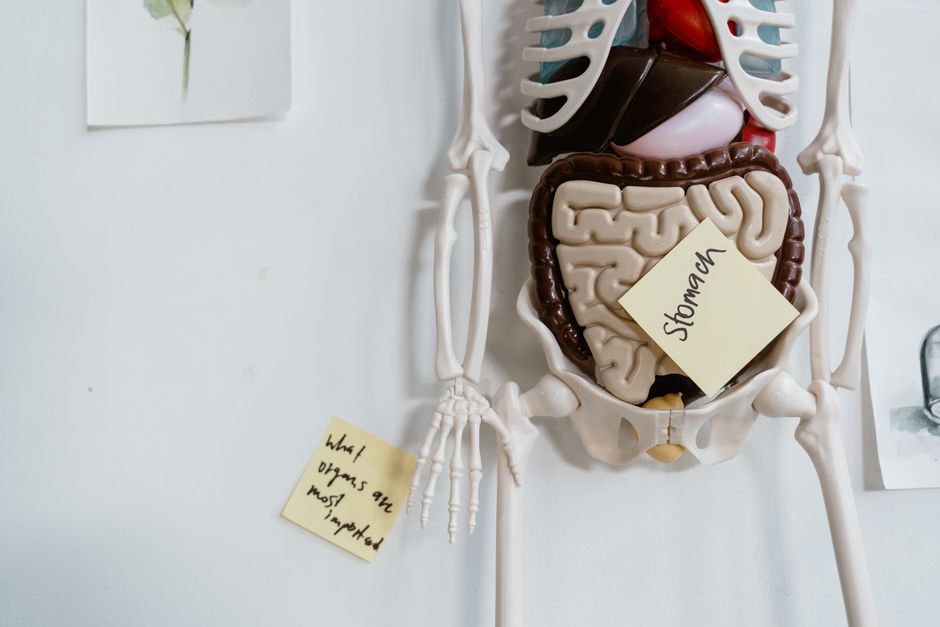
The pancreas is a small organ with a big job. It sits behind your stomach and plays two essential roles in your body. One is helping control blood sugar. The other is helping you digest food. This article focuses on the digestive side. The pancreas produces digestive juices that break down the food you eat into tiny pieces your body can actually use. Without it, your body would struggle to get nutrients from even the healthiest meal.
What Exactly Does the Pancreas Do for Digestion?
The pancreas makes pancreatic juice. This juice is a mix of water, enzymes, and other substances. When you eat, the pancreas releases this juice into the small intestine. That is where most of your digestion actually happens.
The enzymes in pancreatic juice are the key players. They break down three main food types: fats, proteins, and carbohydrates. Each enzyme has a specific target. Lipase breaks down fats. Proteases break down proteins. Amylase breaks down carbohydrates. Without these enzymes, your body cannot absorb these nutrients properly.
The pancreas also produces bicarbonate. This is a base that neutralizes stomach acid. Food leaves your stomach very acidic. That acid would damage your small intestine. Bicarbonate from the pancreas balances the pH so the intestinal enzymes can work.
How Does the Pancreas Aid Digestion Step by Step?
Digestion starts before you even take a bite. The sight and smell of food signal your pancreas to start preparing. This is a mild response. The major response happens after food reaches your stomach.
Here is the sequence:
- Food enters your stomach and gets mixed with acid and stomach enzymes.
- The stomach slowly releases this mixture into the small intestine.
- The small intestine detects the food and sends hormonal signals to the pancreas.
- The pancreas releases pancreatic juice into the small intestine through a small tube called the pancreatic duct.
- The enzymes in the juice break down fats, proteins, and carbohydrates into absorbable particles.
- The small intestine absorbs these particles into your bloodstream.
This process is tightly controlled. Your body releases just enough enzymes for the amount of food you ate. It is a precise system that works automatically.
What Happens When the Pancreas Does Not Work Properly?
When the pancreas cannot produce enough digestive enzymes, a condition called exocrine pancreatic insufficiency occurs. The medical abbreviation is EPI. This is not a rare problem. It affects people with chronic pancreatitis, cystic fibrosis, and pancreatic cancer. It can also happen after pancreatic surgery.
The main symptom of EPI is poor digestion of fat. Fat that is not digested passes through the intestines and out of the body. This causes stools that are greasy, pale, and foul-smelling. They may float in the toilet. This symptom is called steatorrhea.
Weight loss is another common sign. Even if a person eats normally, their body cannot absorb the calories and nutrients from the food. Over time, this leads to deficiencies in fat-soluble vitamins. These include vitamins A, D, E, and K. These vitamins are essential for vision, bone health, blood clotting, and cell function.





Can Digestive Problems Affect Blood Sugar?
Yes. The pancreas has two separate jobs, but they are connected. The digestive part produces enzymes. The endocrine part produces hormones, including insulin. Insulin controls blood sugar.
When the pancreas is damaged, both functions can be affected. A person may develop EPI and diabetes at the same time. This is common in chronic pancreatitis. The damage that stops enzyme production can also stop insulin production.
This is why doctors check blood sugar in people with pancreatic disease. It is also why people with long-standing diabetes may develop digestive issues. The two systems are separate but share the same organ. Damage to one often signals risk to the other.
How Is Pancreatic Enzyme Deficiency Treated?
Treatment for EPI involves pancreatic enzyme replacement therapy. The medical abbreviation is PERT. This is a prescription medication taken with meals and snacks. It contains lipase, protease, and amylase from animal sources, usually pigs.
The medication comes as capsules with tiny beads inside. The beads are coated to survive stomach acid. They dissolve in the small intestine and release the enzymes where they are needed. The dose depends on the size of the meal. A larger meal requires more enzymes.
PERT is very effective when taken correctly. It reduces steatorrhea, improves nutrient absorption, and helps with weight maintenance. Some research suggests it also improves quality of life. People on PERT can often eat normally without the digestive distress they had before.
It is important to note that over-the-counter enzyme supplements are not the same as PERT. They are not regulated as drugs. They may not have the right amount of enzymes, and the enzymes may not survive stomach acid. Doctors do not recommend them for treating EPI. No clinical evidence confirms they work for this purpose.
What Are the Early Signs of Pancreatic Digestive Problems?
Early signs can be subtle. Many people ignore them or blame other causes. The most common early sign is changes in stool. Greasy, oily, or unusually foul-smelling stools are a red flag. So are stools that are difficult to flush away.
Abdominal discomfort is another sign. This may feel like bloating or cramping after meals. Some people describe a dull pain in the upper abdomen that radiates to the back. This pain is more common in pancreatitis than in EPI alone.
Unexplained weight loss is a serious sign. If you are eating normally and losing weight without trying, that warrants medical attention. The same goes for persistent diarrhea that lasts more than a few weeks.
These symptoms do not automatically mean you have pancreatic disease. Many conditions cause similar symptoms. Irritable bowel syndrome, celiac disease, and gallbladder problems can all look similar. This is why a doctor’s evaluation matters. Blood tests, stool tests, and imaging can help identify the actual cause.
Can Diet Help Support Pancreatic Health?
Diet cannot cure pancreatic disease, but it can reduce strain on the organ. For people with chronic pancreatitis, a low-fat diet is often recommended. High-fat meals trigger the pancreas to release large amounts of enzymes. That can worsen pain and inflammation.
Small, frequent meals are easier on the pancreas than large ones. This is especially true for people with EPI. Smaller meals require less enzyme output at one time. This can reduce bloating and discomfort.
Alcohol is a major risk factor for pancreatitis. Heavy drinking over many years can cause permanent damage to the pancreas. Stopping alcohol use is one of the most effective ways to prevent further damage in people with alcohol-related pancreatitis.
Smoking also increases the risk of pancreatic disease. It is a risk factor for both acute and chronic pancreatitis. Quitting smoking reduces the risk of progression. This is well established in medical research.
Frequently Asked Questions
What are the first signs of pancreatic problems?
The first signs are often digestive. Greasy or oily stools, abdominal pain after eating, and unexplained weight loss are common early symptoms. See a doctor if these persist for more than a few weeks.
Can the pancreas repair itself?
The pancreas has limited ability to repair itself. Mild acute pancreatitis can heal with time and supportive care. Chronic damage, however, is usually permanent and progressive.
How is pancreatic enzyme deficiency diagnosed?
Doctors use a stool test that measures a specific enzyme called fecal elastase. Low levels indicate that the pancreas is not producing enough digestive enzymes. This test is simple and non-invasive.
Are pancreatic enzyme supplements safe?
Prescription pancreatic enzymes are safe when taken as directed. They are used by thousands of people daily. Over-the-counter enzyme supplements are not a substitute and are not recommended for treating EPI.
