
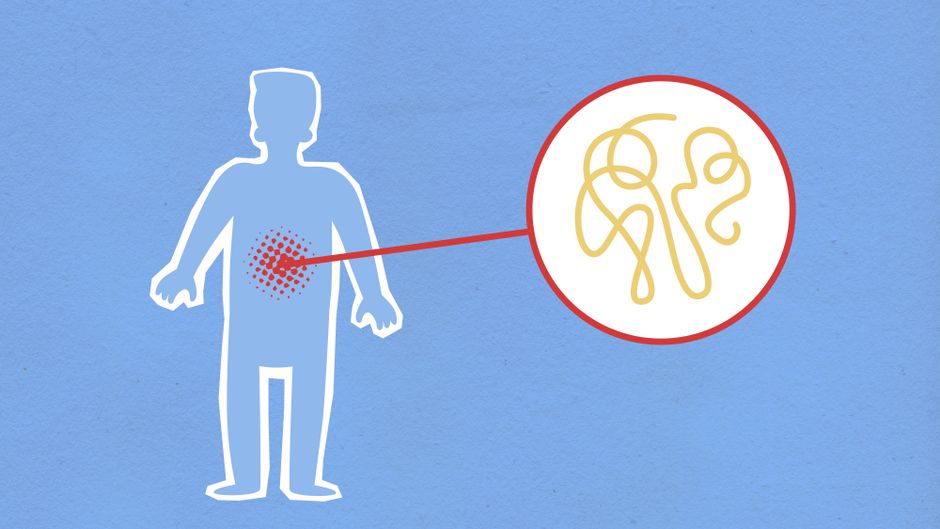
The pancreas is a small organ tucked behind your stomach that does two big jobs. It makes digestive enzymes that break down your food and it produces hormones that control your blood sugar. Without it you could not digest fat protein or carbohydrates properly and your body would struggle to keep your energy levels stable.
What Does the Pancreas Actually Do During Digestion?
The pancreas produces pancreatic juice which contains enzymes that break down food in the small intestine. This juice flows through a small tube called the pancreatic duct into the duodenum the first part of your small intestine. The enzymes in the juice are the real workers. They split large food molecules into tiny ones your body can absorb.
Three main enzyme groups come from the pancreas. Lipase breaks down fat into fatty acids and glycerol. Proteases like trypsin and chymotrypsin break down proteins into amino acids. Amylase breaks down carbohydrates into simple sugars. Each group targets a different type of food. The pancreas releases about 1.5 liters of pancreatic juice every day according to the National Institute of Diabetes and Digestive and Kidney Diseases.
The pancreas does not release these enzymes all the time. It waits for signals from your body. When food enters your stomach and small intestine hormones like secretin and cholecystokinin tell the pancreas to start producing and releasing its juice. This timing means the enzymes arrive exactly when food is ready to be digested.
How Does the Pancreas Control Blood Sugar?
The pancreas has clusters of cells called islets of Langerhans. These cells produce two hormones that manage blood sugar. Beta cells make insulin which lowers blood sugar by moving glucose into your cells. Alpha cells make glucagon which raises blood sugar by telling your liver to release stored glucose.
These two hormones work like a thermostat. When you eat a meal your blood sugar rises. Insulin is released and your cells take in glucose for energy. Between meals your blood sugar drops. Glucagon is released and your liver sends glucose back into your bloodstream. This balance keeps your energy steady and prevents dangerous highs or lows.
Research published in the journal Diabetologia has shown that this system is remarkably precise. Healthy adults maintain blood glucose levels between 70 and 140 mg/dL almost all the time. That is a narrow range for a system that handles thousands of calories every day.
What Happens When the Pancreas Stops Working Properly?
Two common conditions affect the pancreas and both cause real trouble with digestion. Pancreatitis is inflammation of the pancreas. It can be acute meaning it comes on suddenly and goes away or chronic meaning it does not heal and gets worse over time. Chronic pancreatitis damages the cells that make digestive enzymes and hormones.
Pancreatic insufficiency happens when the pancreas cannot produce enough enzymes to digest food. The most common cause is chronic pancreatitis. Cystic fibrosis also causes it. When enzymes are too low undigested food passes through your system. This leads to greasy foul-smelling stool weight loss and nutrient deficiencies. Fat-soluble vitamins A D E and K are especially hard to absorb without enough lipase.
Type 1 diabetes is another pancreas problem. In this condition the immune system attacks the beta cells that make insulin. Without insulin the body cannot move glucose into cells. Blood sugar rises dangerously high. Type 1 diabetes usually starts in childhood but can appear at any age. About 1.9 million Americans have it according to the American Diabetes Association.
Type 2 diabetes is different. The pancreas still makes insulin but the body becomes resistant to it. Over time the pancreas cannot keep up with the demand and blood sugar rises. This type is far more common affecting about 37 million Americans. Diet weight and genetics all play a role.





How Does Pancreas Role in Digestion Change With Age?
As you get older the pancreas undergoes changes that can affect digestion. The organ may shrink slightly and enzyme production can decrease. Research published in Gastroenterology found that pancreatic enzyme output declines gradually after age 60. This is not enough to cause problems for most people but it can make digesting large fatty meals harder.
Older adults also have a higher risk of developing pancreatic conditions. The risk of pancreatic cancer increases significantly after age 65. Chronic pancreatitis becomes more common with age especially in people who have a history of heavy alcohol use or gallstones. The American Cancer Society reports that most cases of pancreatic cancer are diagnosed in people over 65.
Despite these changes a healthy pancreas in an older adult still works well enough for normal digestion. You do not need to worry about enzyme decline if you eat a balanced diet. The body adapts to small changes. Problems only arise when an underlying condition damages the pancreas significantly.
What Foods and Habits Support Pancreas Health?
Diet plays a direct role in how hard your pancreas has to work. High-fat meals trigger the release of more lipase and more pancreatic juice. Over time consistently eating very high-fat foods can stress the pancreas. The same is true for high-sugar foods which cause large insulin spikes. The pancreas has to work harder to bring blood sugar back down.
Some studies suggest that certain foods may help protect the pancreas. A diet rich in fruits vegetables whole grains and lean protein is linked to lower rates of pancreatitis and pancreatic cancer. The World Cancer Research Fund notes that maintaining a healthy body weight is one of the strongest ways to reduce pancreatic cancer risk. Obesity increases inflammation throughout the body including the pancreas.
Alcohol is a direct irritant to the pancreas. Heavy drinking is one of the most common causes of pancreatitis. The CDC defines heavy drinking as 15 or more drinks per week for men and 8 or more for women. Even moderate drinking can trigger pancreatitis in some people especially those with a family history of the condition. Smoking is another major risk factor. Smokers are two to three times more likely to develop pancreatitis than non-smokers according to research in the journal Pancreas.
| Condition | Effect on Digestion | Key Symptom |
|---|---|---|
| Acute pancreatitis | Temporary drop in enzyme production | Severe upper abdominal pain |
| Chronic pancreatitis | Permanent loss of enzyme-making cells | Greasy stool weight loss |
| Pancreatic insufficiency | Inability to digest fat and protein | Foul-smelling floating stool |
| Type 1 diabetes | No insulin production | High blood sugar frequent urination |
| Type 2 diabetes | Insulin resistance with eventual enzyme decline | High blood sugar fatigue |
| Pancreatic cancer | Blocks bile duct reduces enzyme output | Jaundice unexplained weight loss |
Can You Live Without a Pancreas?
Yes you can live without a pancreas but it is not simple. The entire organ is sometimes removed in a procedure called a total pancreatectomy. This is done most often for severe chronic pancreatitis that does not respond to other treatments or for certain types of pancreatic cancer. Without a pancreas you lose both the digestive enzymes and the hormone-producing cells.
People who have had their pancreas removed need lifelong enzyme replacement therapy. They take pancreatic enzyme pills with every meal and snack. These pills contain lipase protease and amylase to replace what the pancreas no longer makes. Without them the body cannot digest food properly.
They also develop diabetes immediately after surgery. This is called surgically induced diabetes and it is similar to type 1 diabetes. They must take insulin for the rest of their lives. Blood sugar control can be harder after a pancreatectomy because there is no glucagon production either. Without glucagon the body cannot raise blood sugar on its own. This makes severe low blood sugar episodes more dangerous.
Life expectancy after total pancreatectomy depends on why the surgery was done. For people with chronic pancreatitis quality of life often improves because the pain is gone. For people with pancreatic cancer survival depends on the stage at diagnosis. The American Cancer Society reports that the five-year survival rate for pancreatic cancer that has not spread is about 44 percent.
Common Misconceptions About the Pancreas
One widespread myth is that the pancreas produces stomach acid. It does not. The stomach makes acid. The pancreas makes alkaline juice that neutralizes stomach acid when food enters the small intestine. This is important because the enzymes from the pancreas work best in a neutral or slightly alkaline environment. Acid would destroy them.
Another misconception is that pancreatic enzymes in supplements can replace a healthy pancreas. Some people take over-the-counter enzyme supplements hoping to improve digestion or lose weight. There is no clinical evidence that enzyme supplements help people with normal pancreatic function. The body tightly regulates its own enzyme production. Adding extra enzymes from a pill does not improve digestion in healthy people. It can actually cause side effects like stomach upset and diarrhea.
A third myth is that drinking water flushes the pancreas. The pancreas does not get flushed like a drain. It produces its own secretions based on hormonal signals. Drinking water is necessary for overall health but it does not directly cleanse or detoxify the pancreas. The body handles that on its own through normal metabolic processes.
Frequently Asked Questions
Can the pancreas repair itself after damage?
Mild acute pancreatitis can heal on its own with rest and supportive care but chronic damage from long-term inflammation does not reverse.
What are the first signs of pancreatic problems?
Upper abdominal pain that radiates to the back unexplained weight loss and greasy floating stool are common early signs.
How is pancreatic insufficiency diagnosed?
A fecal elastase test measures enzyme levels in stool and doctors combine this with symptoms and imaging of the pancreas.
Does stress affect pancreas function?
Stress hormones can alter insulin and glucagon release but there is no strong evidence that stress alone causes pancreatic disease.
