
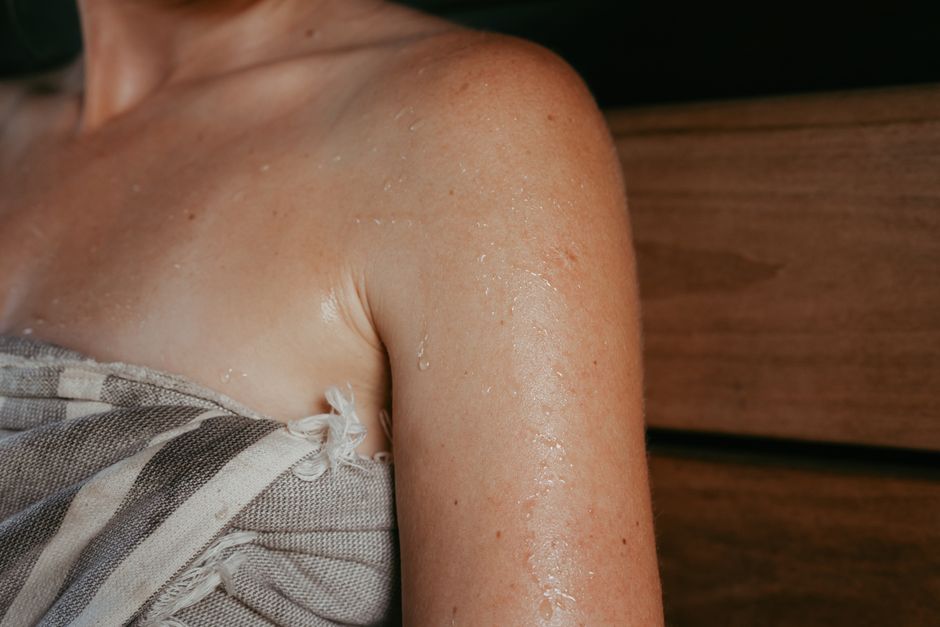
Sweating is your body’s built-in cooling system, and how much you sweat is largely genetic. Sweating a lot is not automatically good or bad — it depends on why you sweat, when it happens, and whether it disrupts your life. For most healthy people, heavy sweating during exercise or in heat is normal and even helpful. Sweating heavily at rest, at night, or with no trigger can be a sign worth checking.
Is Sweating A Lot Good Or Bad For You?
It is mostly neutral to good, with important exceptions.
Sweat itself does not detoxify your body in any meaningful way. That is one of the most persistent myths in health writing. Your liver and kidneys handle waste removal. Sweat is about 99% water with small amounts of salt and other minerals. Its job is temperature control, not cleansing.
When you exercise or sit in heat, sweating more than the person next to you usually means your cooling system is responding well. It does not mean you are fitter, and it does not mean you are healthier. Sweat rate depends on genetics, body size, fitness level, and how well you have adapted to heat. Two people doing the same workout can sweat very different amounts, and both can be perfectly healthy.
The picture changes when heavy sweating happens without a clear trigger. Sweating at rest, in cool rooms, or during sleep is a different situation. That pattern deserves a closer look.
What Actually Controls How Much You Sweat?
Your sweat glands are switched on by your nervous system, not by willpower or fitness alone.
You have two main types of sweat glands. Eccrine glands cover most of your body and open directly onto the skin. They produce the watery sweat that cools you down. Apocrine glands sit in areas with hair follicles, like the armpits and groin, and they become active around puberty. Apocrine sweat is thicker, and when bacteria on the skin break it down, it produces body odor.
The number of sweat glands you have is set at birth and varies widely between people. Some people simply have more active glands than others. That is why heavy sweating often runs in families.
Your brain monitors core temperature closely. When it rises, signals travel through the nervous system to your sweat glands, and they release fluid onto your skin. As that fluid evaporates, it pulls heat away from your body. This is an efficient system, and it works best when humidity is low. In humid weather, sweat evaporates more slowly, so you feel wetter even if you are producing the same amount.
Heat adaptation matters too. People who train in hot conditions over days to weeks start sweating sooner and more evenly. Their sweat also becomes less salty. This is a real physiological change, not a sign of weakness or strength.
When Is Heavy Sweating a Sign of a Health Problem?
Excessive sweating becomes a medical concern when it happens without heat or exercise, or when it interferes with daily life.
Doctors call this hyperhidrosis. It affects specific areas like the palms, soles, underarms, or face, or it can be generalized across the body. Primary hyperhidrosis has no underlying cause and often starts in childhood or adolescence. Secondary hyperhidrosis is caused by another condition or a medication.
Possible causes of secondary sweating include:
- Infections, including tuberculosis
- Thyroid problems, especially an overactive thyroid
- Low blood sugar
- Menopause and perimenopause
- Some cancers, particularly lymphomas
- Anxiety and panic disorders
- Certain medications, including some antidepressants
- Alcohol or substance withdrawal
Night sweats are a specific pattern worth mentioning to a doctor. Waking up drenched, changing sheets, or sweating through clothes without a hot room are all reasons to get checked. Many causes are not serious, but the list above is why doctors take it seriously.
One detail people often miss: sweating more on one side of the body than the other is unusual and should be evaluated. Symmetry is the norm.





Does Sweating More Mean You Are Fitter?
No. Sweat volume is a poor measure of fitness.
Fitness does affect sweating, but not in the simple way people assume. Trained athletes often start sweating earlier and produce more sweat during exercise than untrained people. That is because their bodies have learned to cool efficiently. But plenty of fit people sweat very little, and plenty of unfit people sweat heavily.
Body weight plays a bigger role than most people realize. Larger bodies generate more heat during activity, so they tend to sweat more to compensate. A heavier person working at the same relative effort as a lighter person will usually sweat more.
If you want a real measure of fitness, look at resting heart rate, how quickly your heart rate recovers after exercise, and how much work you can do at a given effort level. Sweat volume tells you almost nothing.
Can You Sweat Too Much?
Yes, and the risk is not about embarrassment. It is about fluid and electrolyte loss.
When you sweat heavily for a long time, you lose water and sodium. In most everyday situations, drinking water and eating normal meals replaces what you lose. During prolonged exercise, especially in heat, losses can be significant enough to affect how you feel and perform.
Signs that you are losing too much fluid include:
- Dark yellow urine
- Dizziness or lightheadedness
- Muscle cramps
- Headache
- Fatigue that feels out of proportion to the effort
Heat exhaustion is a real condition, and it can progress to heat stroke, which is a medical emergency. Heat stroke involves a core body temperature that rises dangerously and can cause confusion, loss of consciousness, or seizures. If someone stops sweating in extreme heat while showing these signs, that is not a good sign — it can mean the cooling system is failing.
Electrolyte drinks can help during long, sweaty activity, but they are not necessary for a 30-minute workout. For most people, water and a normal diet are enough. People who sweat heavily and exercise for hours may need more sodium, but individual needs vary. There is no single guideline that fits everyone.
What Helps If Heavy Sweating Bothers You?
Treatment depends on whether the sweating is normal or a sign of something else.
If a doctor rules out an underlying cause, several options exist for hyperhidrosis. Clinical guidelines generally start with antiperspirants containing aluminum salts, which physically block sweat ducts. These are different from deodorants, which only address odor. Prescription-strength versions are available.
Other options some clinicians recommend include:
- Iontophoresis, which uses a mild electrical current in water to reduce sweating on hands and feet
- Botulinum toxin injections, which can block the nerve signals that trigger sweat glands
- Oral medications that reduce sweating across the body
- Surgery in severe cases, though this carries more risk and is usually a last resort
Evidence for these treatments varies. Antiperspirants and botulinum toxin injections have the strongest support. Oral medications work for some people but can cause side effects like dry mouth and blurred vision. Surgery can permanently reduce sweating but may cause compensatory sweating elsewhere on the body.
Lifestyle changes help too. Loose clothing, breathable fabrics, and avoiding triggers like spicy food or caffeine can make a difference for some people. These are not cures, but they reduce discomfort.
If sweating is new, one-sided, or comes with fever, weight loss, or chest pain, see a doctor before trying anything on your own.
What About Antiperspirants and Deodorants?
They work differently, and knowing which one you need matters.
Deodorants reduce odor by making the skin less friendly to odor-causing bacteria. They do not stop sweat. Antiperspirants reduce sweat by plugging sweat ducts temporarily. Many products combine both.
Concerns about aluminum in antiperspirants have circulated for years. The available evidence does not support a link between antiperspirant use and breast cancer. Major health organizations have reviewed this and found no consistent connection. That does not mean every question is settled, but the current evidence does not support avoiding antiperspirants out of cancer concern.
If you have sensitive skin, some formulations can cause irritation. Trying a different product or applying at night when sweat glands are less active can help.
Frequently Asked Questions
Is sweating a lot a sign of good health?
Not by itself. Sweating is a normal cooling response, but how much you sweat depends mostly on genetics, body size, and heat adaptation, not overall health. Heavy sweating without a trigger is worth discussing with a doctor.
Does sweating detox your body?
No. Sweat is about 99% water with small amounts of salt and minerals, and it does not remove meaningful amounts of toxins. Your liver and kidneys handle waste removal.
When should I worry about excessive sweating?
See a doctor if you sweat heavily without heat or exercise, sweat at night, sweat more on one side of your body, or have symptoms like fever or weight loss. These patterns can have causes that need evaluation.
Can you sweat too much during exercise?
Yes, if you lose enough fluid and sodium to affect how you feel. Watch for dark urine, dizziness, cramps, or unusual fatigue, and replace fluids during long or hot workouts.
