
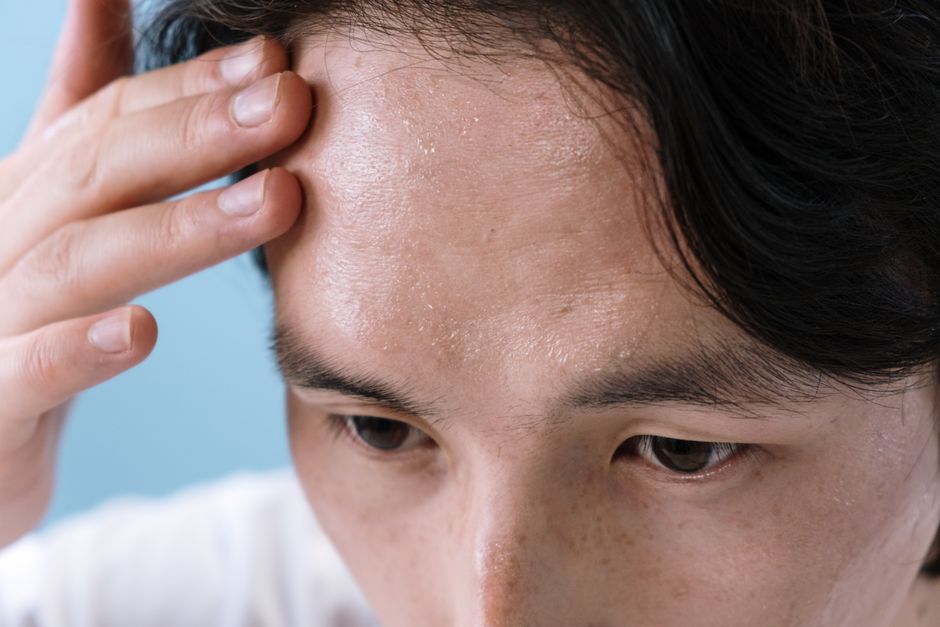
Sweating is your body’s natural cooling system, but does sweating help with sickness? The short answer is that sweating itself does not cure an illness. It is a symptom of a fever, not a treatment. However, the question is more complex than a simple yes or no, especially when we look at how the body regulates temperature and fights infection.
What Sweating Actually Does in the Body
Sweating is a physiological process controlled by the autonomic nervous system. When your internal body temperature rises, your brain sends signals to millions of sweat glands across your skin. As sweat evaporates, it carries heat away from the body, lowering your core temperature.
This mechanism is primarily for temperature regulation. It keeps your body in a safe operating range, typically around 98.6°F (37°C). When you are sick, your body may raise its internal thermostat to fight off pathogens. That state is called a fever. Sweating happens when that thermostat resets back to normal, allowing the body to release trapped heat.
So sweating is a sign that your fever is breaking. It is a result of recovery, not a cause of it.
Does Sweating Help Kill a Virus or Bacteria?
No clinical evidence shows that the act of sweating directly kills viruses or bacteria. The immune system handles that job through white blood cells, antibodies, and other complex processes.
Some older folk remedies suggest that “sweating out” a cold or flu speeds up recovery. This belief is widespread but not supported by modern medical research. There is no mechanism by which raising your body temperature through exercise, saunas, or heavy blankets directly destroys a respiratory virus like influenza or rhinovirus.
What a fever does do is create a less favorable environment for some pathogens. But that is your body’s internal thermostat working, not sweat itself. The sweat is just a byproduct of the temperature change.
Can Making Yourself Sweat Be Harmful When Sick?
Yes, intentionally forcing yourself to sweat while sick can be risky. If you are dehydrated, have a high fever, or are physically weak, pushing your body to sweat more can cause problems.
Excessive sweating leads to fluid and electrolyte loss. This can worsen dehydration, which is already a common concern during illness. Signs of dehydration include dark urine, dizziness, dry mouth, and extreme fatigue.
Using heavy blankets, taking hot baths, or exercising intensely to “sweat out” an illness can raise your core temperature dangerously high. This is especially true for children and older adults. Heat exhaustion and heat stroke are real risks when you combine forced sweating with an existing fever.
If you are sick, the safest approach is to let your body manage its own temperature. Do not try to force a sweat.





Fever and Sweating: What Is Actually Happening
A fever is a controlled rise in body temperature. Your hypothalamus, the brain’s thermostat, responds to signals from your immune system. When immune cells detect an infection, they release chemicals called pyrogens. These tell the hypothalamus to raise the set point.
During the rising phase of a fever, you feel cold and may shiver. That is your body generating heat to reach the new set point. When the infection is controlled, the set point drops back down. Your body then works to release heat. That is when you sweat.
Sweating during a fever is a good sign in one sense. It means your body is returning to its normal temperature. But it does not mean the infection is gone. It only means the fever phase is ending.
Should You Sweat It Out or Let It Run Its Course?
Medical guidance does not recommend trying to sweat out an illness. The American Academy of Pediatrics and other health organizations advise against using excessive clothing, hot baths, or heavy blankets to break a fever in children. The same logic applies to adults.
Instead, the standard advice for managing a fever includes rest, fluids, and over-the-counter fever reducers like acetaminophen or ibuprofen when needed. These medications lower the hypothalamic set point, which can trigger natural sweating as your body cools down.
If you are sweating because your fever is breaking naturally, that is fine. Let it happen. Change into dry clothing, drink water, and rest. But do not try to force the process.
When Sweating During Illness Is a Warning Sign
There are times when sweating while sick warrants medical attention. Profuse sweating with no fever, night sweats that soak your clothing, or sweating accompanied by chest pain, shortness of breath, or confusion are all reasons to seek care.
Night sweats can be associated with certain infections, hormonal changes, or other medical conditions. If you experience persistent night sweats that disrupt your sleep, mention it to your doctor.
In rare cases, sweating with a sudden drop in blood pressure can signal a serious condition like sepsis. If someone is sick, sweating heavily, and also appears confused, has a rapid heart rate, or is breathing fast, get emergency medical help.
Hydration and Recovery: What the Body Really Needs
Fluid replacement is one of the most important parts of recovering from any illness. When you sweat, you lose water and electrolytes. Replacing those losses supports every system in your body.
Water is usually sufficient for mild illness. For prolonged sweating, vomiting, or diarrhea, drinks with electrolytes may be helpful. These include sports drinks or oral rehydration solutions. The goal is to maintain normal hydration so your immune system can work effectively.
There is no evidence that sweating more during an illness speeds up recovery. There is strong evidence that staying hydrated and getting adequate rest supports immune function. If you naturally sweat while recovering, replace those fluids.
Does Exercise Help When You Are Sick?
Light exercise when you are mildly ill is generally considered safe if your symptoms are above the neck, like a runny nose or mild sore throat. But intense exercise that makes you sweat heavily is not recommended while you have a fever or a systemic illness.
Exercise places stress on the body. During an active infection, your body is already under stress. Adding intense physical exertion can prolong recovery or increase the risk of complications, such as viral myocarditis in rare cases.
The general rule of thumb is to listen to your body. If you feel weak, feverish, or have body aches, skip the workout. Rest is part of recovery.
Sweating and Detoxification: A Common Myth
Many people believe that sweating helps the body “detoxify” and that this is why sweating during illness is beneficial. This is not supported by evidence. The liver and kidneys are the primary organs responsible for filtering and eliminating waste products from the body.
Sweat does contain trace amounts of some substances, but the amounts are negligible compared to what the liver and kidneys process. There is no clinical evidence that inducing sweat removes toxins in meaningful amounts or that this process helps you recover from an infection faster.
The idea that sweating flushes out illness is a persistent myth. Your immune system clears infections. Your liver and kidneys clear metabolic waste. Sweat only regulates temperature.
Frequently Asked Questions
Does sweating mean my fever is breaking?
Yes, sweating usually means your body’s temperature set point has dropped back to normal and it is releasing excess heat. It is a sign the fever phase is ending, not that the infection itself is gone.
Is it safe to try to sweat out a cold or flu?
No, forcing yourself to sweat through heavy blankets, hot baths, or exercise is not recommended. It can lead to dehydration and dangerously high body temperature without speeding up recovery.
Can you sweat out a virus?
No, viruses are cleared by your immune system, not by sweat. There is no evidence that the act of sweating kills or eliminates viruses from the body.
When should I worry about sweating while sick?
Seek medical attention if you have drenching night sweats, sweating with no fever, or sweating accompanied by chest pain, confusion, or difficulty breathing. These can be signs of a more serious condition.
