
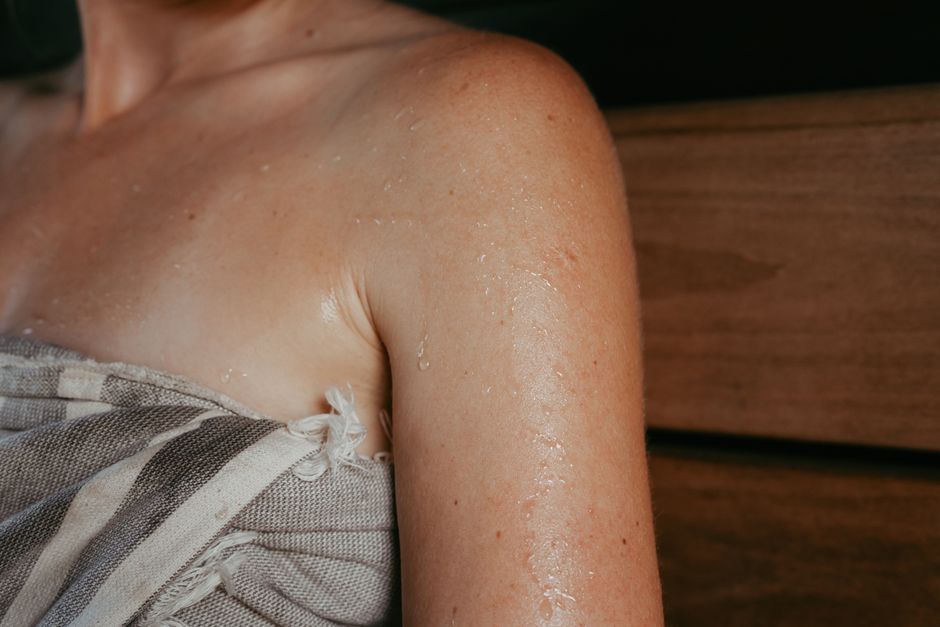
Facial sweating is normal when you are hot or nervous. But for some people, it happens too often and without a clear reason. This condition is called craniofacial hyperhidrosis. The most effective ways to stop excessive sweating on your face include prescription antiperspirants, oral medications, Botox injections, and in severe cases, a procedure called sympathectomy. Over-the-counter products and lifestyle changes can help mild cases. No single treatment works for everyone. Your doctor can help you find the right approach.
What causes excessive facial sweating?
Sweating is how your body cools down. It is controlled by the sympathetic nervous system. When that system is overactive, sweat glands produce more sweat than needed. This can happen on the face, scalp, hands, or armpits.
Primary hyperhidrosis means there is no underlying medical cause. It often runs in families and starts in childhood or adolescence. Secondary hyperhidrosis is caused by another condition or medication. Possible causes include an overactive thyroid, diabetes, menopause, certain antidepressants, and infections. If excessive facial sweating started later in life, doctors usually look for an underlying cause first.
When is facial sweating a medical condition?
It is normal to sweat when you exercise or feel anxious. It becomes a medical condition when it happens without those triggers and interferes with daily life. People with craniofacial hyperhidrosis may avoid social situations, feel embarrassed, or have trouble keeping makeup on. Doctors diagnose it when sweating is visible and excessive at least once a week without a clear cause. The condition can affect quality of life significantly. Treatment is available, but many people do not realize it.
How to stop excessive sweating on face?
The treatment depends on how severe the sweating is and what the cause might be. For mild cases, over-the-counter antiperspirants containing aluminum chloride can be used on the face. But the face is more sensitive than the armpits. Start with a low concentration and test on a small area. Prescription-strength antiperspirants (10–20% aluminum chloride hexahydrate) are more effective but can cause irritation. Some doctors recommend applying them at night and washing off in the morning.
If antiperspirants do not work, oral medications are an option. Glycopyrrolate is a common one. It reduces sweating throughout the body. Side effects include dry mouth, blurred vision, and trouble urinating. These medications are taken daily and are not ideal for everyone. Another option is Botox injections. Botox blocks the nerve signals that tell sweat glands to produce sweat. It is approved by the FDA for armpit sweating but is used off-label for the face. Injections last about 4 to 9 months. They are effective but can be expensive and may cause temporary weakness in nearby facial muscles.
For severe cases that do not respond to other treatments, a surgical procedure called endoscopic thoracic sympathectomy (ETS) may be considered. The surgeon cuts or clamps the nerve that triggers sweating. This can stop facial sweating permanently. However, it carries risks including compensatory sweating (increased sweating elsewhere) and nerve damage. Many experts advise trying less invasive treatments first.


Can lifestyle changes reduce facial sweating?
Lifestyle changes alone usually do not stop severe hyperhidrosis, but they can help manage it. Avoiding triggers like spicy foods, caffeine, and alcohol may reduce episodes. Staying cool with fans, air conditioning, and cold drinks helps. Some people find that using a gentle oil-free cleanser and avoiding heavy moisturizers keeps the face feeling less sweaty. Carrying absorbent cloths or blotting papers can manage sweat during the day. Stress can trigger sweating, so relaxation techniques like deep breathing may help in the moment.
There is no strong evidence that diet changes cure hyperhidrosis. Some small studies suggest that avoiding certain foods may help some individuals, but results vary. The best approach is to try changes and see what works for you.
Are there home remedies that work?
Home remedies are often mentioned online, but few have been tested in clinical trials. For example, witch hazel and tea tree oil are sometimes used as astringents. They may dry the skin temporarily, but they can also cause irritation. Apple cider vinegar applied to the skin is not proven to reduce sweating and may cause burns. Baking soda may absorb moisture but can be too harsh for facial skin. No home remedy has been shown to be as effective as medical treatments. If you try one, stop if it causes irritation. Do not rely on home remedies as a substitute for seeing a doctor if sweating is severe.
When should you see a doctor?
See a doctor if facial sweating happens often without a clear reason, if it started suddenly in adulthood, or if it interferes with your daily life. A primary care doctor can check for underlying causes like thyroid problems or infections. If no cause is found, a dermatologist can prescribe stronger treatments. Do not try to treat severe hyperhidrosis on your own. Some treatments require a prescription or a medical procedure. A doctor can help you weigh the risks and benefits.
Frequently Asked Questions
Can excessive facial sweating be cured?
There is no single cure, but many treatments can control it effectively. Botox injections, oral medications, and surgery offer long-term relief for many people.
Is excessive facial sweating a sign of a serious condition?
It can be, especially if it starts suddenly in adulthood. Conditions like an overactive thyroid, diabetes, or an infection can cause secondary hyperhidrosis. Your doctor can rule these out.
Does diet affect facial sweating?
Some people notice that spicy foods, caffeine, or alcohol trigger sweating. Avoiding those may help, but diet alone does not treat severe hyperhidrosis.
What is the best antiperspirant for the face?
Prescription-strength aluminum chloride antiperspirants are the most effective for the face. Over-the-counter options are milder but less reliable. Always test on a small area first to check for irritation.
