
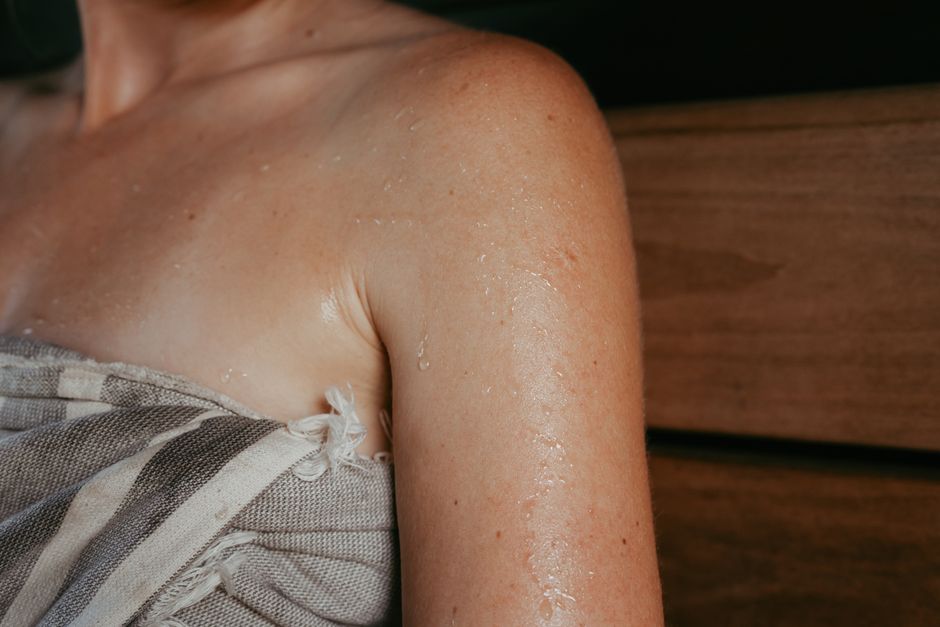
Waking up drenched in sweat is unsettling, and when it happens night after night, it is natural to worry. Yes, anxiety can cause sweating at night, even when your bedroom is cool. The connection between your emotional state and your body’s temperature control system is direct and well-documented. Anxiety triggers your nervous system’s stress response, which can activate your sweat glands and disrupt your sleep, leading to episodes of night sweats.
Why Does Anxiety Make You Sweat?
Sweating is a normal bodily function. It is how your body cools itself down. But your sweat glands do not only respond to heat. They also respond to stress.
When you feel anxious, your brain signals your adrenal glands to release hormones like adrenaline and cortisol. These hormones prepare your body for a perceived threat. This is often called the “fight or flight” response.
One effect of these hormones is to raise your heart rate and increase blood flow to your muscles. Another effect is to activate your sweat glands. This is why you might feel clammy before a big presentation or during a stressful conversation. The same process can happen while you sleep if your brain continues to process anxious thoughts.
Anxiety Cause Sweating at Night: The Sleep Connection
Anxiety does not simply switch off when you fall asleep. Your brain remains active during sleep, processing emotions and memories. If you carry high levels of stress into the night, your nervous system may stay in a state of heightened alert.
This can lead to two distinct problems. First, you may experience anxiety dreams or nightmares that trigger a physical stress response, causing you to wake up sweating. Second, you may have subconscious anxiety that keeps your stress hormones slightly elevated all night, leading to intermittent sweating without any memorable dreams.
There is also a circular effect. Night sweats can make you anxious about sleeping. The fear of waking up soaked can itself raise your stress levels before bed, making the problem worse.
Night Sweats vs. Hot Flashes: What Is the Difference?
It is important to distinguish between a general feeling of being too warm and an actual night sweat. A night sweat is defined as severe enough to soak your sleepwear and bedding. Simply feeling warm or throwing off the covers is not the same thing.
Anxiety-related sweating can feel different from a hot flash. A hot flash is a sudden, intense feeling of heat that spreads over the body, often followed by flushing and sweating. This is primarily a hormonal event, commonly linked to menopause.
Anxiety sweating tends to be more generalized. You might feel clammy all over, or you might notice sweating primarily on your palms, soles, or underarms. The sweating may come with other anxiety symptoms like a racing heart or a sense of dread.
Both can occur at night, and they can overlap. A person going through menopause might find that anxiety makes their hot flashes worse. However, the underlying triggers are different.





Other Common Causes of Night Sweats
Anxiety is a common cause of night sweats, but it is far from the only one. If you are experiencing night sweats, it is worth considering other possibilities.
Sleep environment and habits are the simplest explanation. A heavy comforter, a warm room, or wearing thick pajamas can cause you to overheat. Alcohol consumption close to bedtime can also dilate blood vessels and trigger sweating as your body processes it.
Hormonal changes are another leading cause. For women, perimenopause and menopause are the most common triggers for night sweats. Men can also experience hormonal shifts, though less dramatically.
Medications can be responsible. Some antidepressants, hormone therapies, and medications for diabetes can cause sweating as a side effect. If your night sweats started after a new prescription, talk to your doctor.
Infections can cause night sweats. A common cold or flu can raise your body temperature. Tuberculosis is historically associated with night sweats, though it is less common in the US.
Other medical conditions like an overactive thyroid or low blood sugar can also trigger sweating. In rare cases, night sweats can be a sign of a more serious condition, which is why persistent symptoms should be evaluated by a healthcare professional.
How to Reduce Anxiety-Related Night Sweats
If you believe anxiety is driving your night sweats, there are practical steps you can take. The goal is to lower your overall stress levels and create a sleep environment that does not amplify the problem.
Cool your bedroom. Keep your room temperature between 60-67°F. Use breathable bedding made from cotton or moisture-wicking materials. Dress in light layers that you can remove if you wake up warm.
Establish a wind-down routine. Your brain needs time to transition from the busyness of the day to sleep. Spend 30-60 minutes before bed doing calming activities. Reading, gentle stretching, or listening to quiet music are good options. Avoid screens, as the blue light can interfere with your sleep hormones.
Limit stimulants. Caffeine and nicotine can keep your nervous system alert. Avoid them in the late afternoon and evening. Alcohol may help you fall asleep, but it disrupts sleep quality and can trigger sweating later in the night.
Practice relaxation techniques. Deep breathing exercises can activate your parasympathetic nervous system, which counteracts the stress response. Try breathing in for four counts, holding for four, and exhaling for six. This signals to your body that you are safe.
Address daytime stress. Night sweats often reflect daytime anxiety. If you are chronically stressed, consider talking to a therapist. Cognitive behavioral therapy has been shown to be effective for managing anxiety and its physical symptoms.
When to See a Doctor About Night Sweats
Occasional night sweats related to a stressful period are usually not a cause for concern. But you should see a doctor if the pattern changes or if other symptoms appear.
Seek medical advice if you experience night sweats along with any of the following:
- Unexplained weight loss
- Persistent fever
- Swollen lymph nodes
- Chronic cough
- Sweating that happens every night for several weeks
These symptoms can point to an underlying medical condition that needs treatment. Your doctor can run blood tests to check your thyroid function, blood sugar levels, and other markers. They can also review your medications to see if any are contributing.
If medical causes are ruled out, your doctor may refer you to a mental health professional. Treating the underlying anxiety is often the most effective way to stop the night sweats.
Lifestyle Changes That Help Both Anxiety and Sleep
Some changes address anxiety and sleep quality at the same time. These are worth building into your daily routine.
Regular exercise is one of the most effective ways to reduce anxiety. Physical activity burns off stress hormones and promotes better sleep. Aim for at least 30 minutes of moderate exercise most days. Just avoid vigorous workouts too close to bedtime, as they can be stimulating.
Consistent sleep schedule. Go to bed and wake up at the same time every day, even on weekends. This helps regulate your body’s internal clock, which can improve sleep quality and reduce nighttime awakenings.
Mindfulness practice. Spending even five minutes a day focusing on the present moment can reduce anxiety levels over time. Apps and guided meditations can help you get started.
Journaling before bed. If racing thoughts keep you up, write them down. Putting worries on paper can help your brain release them and reduce the mental load you carry into sleep.
Frequently Asked Questions
Can anxiety cause sweating at night even if I am not having a nightmare?
Yes. Anxiety can keep your stress hormones slightly elevated throughout the night, triggering sweat glands even without vivid dreams.
How can I tell if my night sweats are from anxiety or menopause?
Anxiety sweats often come with clamminess and a racing heart, while menopause hot flashes are sudden waves of intense heat.
Will treating my anxiety stop the night sweats?
In most cases, yes. Reducing your overall anxiety levels through therapy, medication, or lifestyle changes typically reduces or eliminates the physical symptoms like sweating.
Are night sweats dangerous?
Night sweats themselves are not dangerous, but they can be a sign of an underlying condition that needs treatment if they persist.
