
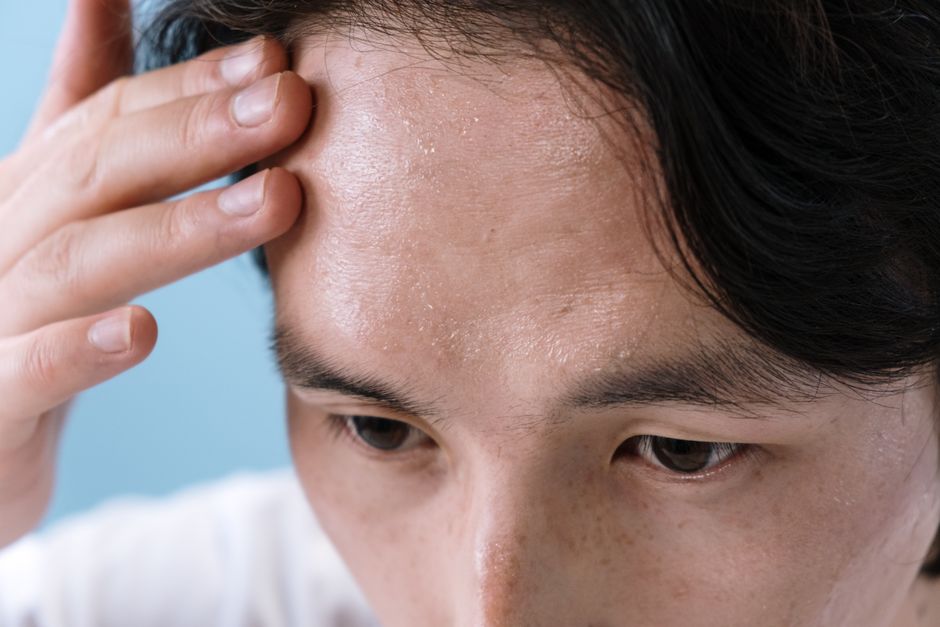
Nervous sweating on your face happens when your body’s stress response kicks in before you feel the emotion itself. Your sweat glands respond to adrenaline and cortisol, not just heat, which is why your face can flush and sweat during a presentation, interview, or difficult conversation. The fastest way to stop it is to redirect your nervous system with slow, deep breathing and to cool your face directly with cold water or a cold pack. For longer-term control, antiperspirants designed for the face, prescription options, and stress-reduction techniques can make a real difference.
Why Does Nervous Sweating Happen On Your Face?
Your body has two main types of sweat glands. Eccrine glands cover most of your body and respond mainly to heat. Apocrine glands are in areas like your armpits and groin and respond to stress. But your face is different.
The face has a high concentration of eccrine glands that respond to both heat and emotional triggers. When your brain perceives a stressful situation, it activates the sympathetic nervous system — the same system behind the “fight or flight” response. This releases acetylcholine, a chemical that directly tells your facial sweat glands to produce sweat.
This is why you can be perfectly cool and still feel sweat on your upper lip, forehead, or scalp. The trigger is emotional, not thermal. Understanding this distinction matters because treating facial sweating like regular heat sweating often fails. Regular antiperspirants meant for the body may not work well on the face, and the approach needs to be different.
What Works Immediately To Stop Facial Sweating?
When you feel the first signs of facial sweat, act fast. These steps can stop the visible sweating within minutes:
- Splash cold water on your face. This cools the skin and temporarily reduces blood flow to the surface, which lowers sweat production.
- Use a cold pack on your wrists or the back of your neck. Cooling these pulse points sends a signal to your brain that your core temperature is dropping, which can reduce the stress-sweat response.
- Breathe out longer than you breathe in. Inhale for four counts, exhale for six or eight. Longer exhalations activate the parasympathetic nervous system, which is the “rest and digest” system that opposes the stress response.
- Wipe, don’t rub. Rubbing stimulates the skin and can trigger more sweating. Use a blotting paper or a clean cloth to gently pat the sweat away.
These methods work because they interrupt the feedback loop. The sweat itself creates anxiety, which creates more sweat. Cooling and breathing break that cycle.
How To Stop Nervous Sweating On Your Face With Antiperspirants
Antiperspirants work differently from deodorants. Deodorants mask odor. Antiperspirants block sweat ducts with aluminum-based compounds. For facial sweating, you need a product specifically formulated for the face, not your underarm stick.
Several brands make facial antiperspirant wipes or roll-ons with lower concentrations of aluminum chloride. These are applied to the forehead, upper lip, or hairline at night, just like you would apply underarm antiperspirant before bed. The product needs time to absorb and form a temporary plug in the sweat ducts.
Some clinicians recommend prescription-strength options for severe cases. These contain higher concentrations of aluminum chloride and are applied under medical supervision. They can cause skin irritation, so starting with a lower-strength product and testing on a small area is wise.
A note on safety: facial skin is more sensitive than underarm skin. If you experience burning, redness, or peeling, stop using the product and wash the area thoroughly. These reactions are common with higher-strength formulas.

Prescription Treatments For Severe Facial Sweating
If over-the-counter options do not control your symptoms, a dermatologist can offer stronger treatments. This is not a cosmetic issue for many people — it affects work, social life, and mental health. Severe facial sweating has a medical name: craniofacial hyperhidrosis.
One established treatment is iontophoresis. This involves passing a mild electrical current through water and into the skin. It is most commonly used for hands and feet, but facial devices exist. The mechanism is not fully understood, but the treatment temporarily blocks sweat production. Sessions take about 20 minutes and need to be repeated regularly.
Another option is oral medications called anticholinergics. These drugs block the chemical signal that tells sweat glands to activate. They can be effective, but they have side effects like dry mouth, dry eyes, and blurred vision. These medications are prescribed off-label for hyperhidrosis, meaning they were originally developed for other conditions.
Botulinum toxin injections — commonly known as Botox — are FDA-approved for severe underarm sweating. Some dermatologists use it off-label for the face, particularly the forehead and scalp. The treatment works by temporarily paralyzing the nerves that trigger sweat glands. Results last several months, and the procedure requires multiple small injections.
Each of these treatments has real evidence behind it, but none is a permanent cure. They manage symptoms. Discuss risks and benefits with a dermatologist before pursuing any of them.
Does Anxiety Treatment Reduce Facial Sweating?
Because nervous sweating is driven by the stress response, treating the anxiety itself can reduce the sweating. This is not speculation — the connection between emotional stress and sweat production is well documented in physiology.
Cognitive behavioral therapy (CBT) helps some people manage the anticipatory anxiety that triggers sweating. The goal is not to eliminate stress entirely but to change how your body responds to it. Over time, CBT can lower the intensity of the sympathetic nervous system response in specific situations.
Beta-blockers are another option. These medications block the effects of adrenaline. They are sometimes prescribed for performance anxiety — including the sweating, shaking, and racing heart that come with public speaking. Beta-blockers do not treat the underlying anxiety disorder, but they blunt the physical symptoms. They require a prescription and are not appropriate for everyone, particularly people with asthma or certain heart conditions.
The evidence for these approaches is solid, but they take time. Breathing exercises work in minutes. Therapy and medication work over weeks or months. For many people, a combination is most effective.
Lifestyle Adjustments That Actually Help
Certain habits can lower your baseline sweat response. These are not cures, but they reduce the frequency and severity of episodes.
Caffeine and spicy foods stimulate the same nervous system pathways that trigger sweating. Cutting back, especially before stressful events, can reduce the intensity of the response. Alcohol has a similar effect because it dilates blood vessels and increases skin temperature.
Hydration matters more than people expect. Dehydration makes your body less efficient at regulating temperature, which can make any sweating worse. Drinking water regularly keeps your cooling system working properly.
Clothing choices affect facial sweating indirectly. Wearing layers that you can remove helps you control your body temperature. A sudden temperature rise from a heavy sweater can trigger facial flushing and sweating on its own, separate from any emotional trigger.
None of these habits will stop nervous sweating entirely. But they reduce the overall load on your sweat glands, which means the stress response has less to work with.
When To See A Doctor
Occasional nervous sweating during high-stakes moments is normal. But if you sweat on your face several times a week, in ordinary situations, or to the point that it interferes with work or social life, see a doctor.
Primary care physicians can rule out other causes of excessive sweating, including thyroid disorders, blood sugar issues, and certain medications. Some medications list excessive sweating as a side effect. If a medication is the cause, a doctor can discuss alternatives.
You should also seek medical advice if you notice night sweats, unexplained weight loss, or fever along with facial sweating. These symptoms can indicate an underlying condition that needs evaluation.
A dermatologist is the right specialist for hyperhidrosis. They can confirm the diagnosis, grade the severity, and offer treatment options that are not available over the counter. Many people wait years before seeking help, but effective treatments exist now.
Frequently Asked Questions
Can you use regular antiperspirant on your face?
No, regular underarm antiperspirants are too harsh for facial skin and can cause irritation. Use products specifically formulated for the face, or ask a dermatologist for a prescription-strength option designed for facial use.
Is nervous sweating on the face a medical condition?
Occasional nervous sweating is a normal stress response, but frequent, severe facial sweating may be craniofacial hyperhidrosis. A dermatologist can diagnose this condition and offer prescription treatments.
Does drinking water help with nervous sweating?
Staying hydrated helps your body regulate temperature more efficiently, which can reduce overall sweating. It does not directly block the stress response, but dehydration can make any sweating episode worse.
How long does Botox last for facial sweating?
Botox injections for facial sweating typically last three to six months. The effect wears off as the nerve endings regenerate, and repeat injections are needed to maintain results.
