
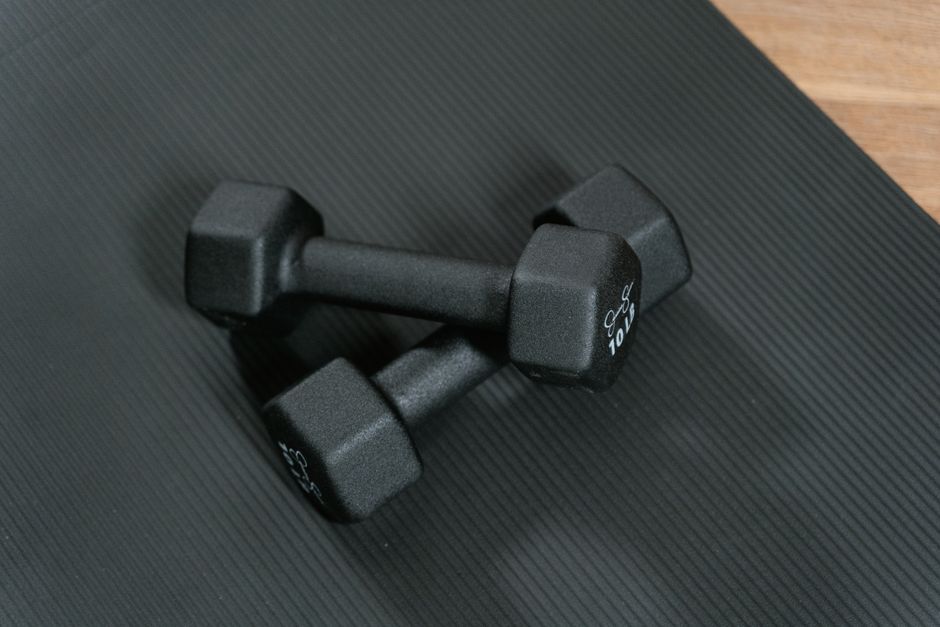
Yes. Resistance training is good for weight loss, and for most people it is the missing piece of a successful plan. Cardio burns more calories during the workout itself, but resistance training builds muscle, and muscle changes how your body uses energy around the clock. The real answer is that resistance training does not just help you lose weight—it helps you lose the right kind of weight and keep it off.
Does Resistance Training Actually Burn Enough Calories?
A common complaint is that lifting weights does not burn as many calories as running or cycling. That is true for the workout itself. A 30-minute session of moderate resistance training might burn roughly 100 to 200 calories depending on your size and effort. The same time spent jogging could burn closer to 300 calories.
But the calorie count during the session is only part of the story. Resistance training creates small tears in muscle fibers. Repairing that damage takes energy. Your body continues to burn extra calories for hours after the workout while it rebuilds tissue. This effect is called excess post-exercise oxygen consumption, or EPOC. It is modest, but it is real, and it stacks up over time.
The bigger effect is what happens between workouts. Muscle is metabolically active tissue. It requires energy just to exist. More muscle means a slightly higher resting metabolic rate. The difference is not dramatic—a few dozen extra calories per day per pound of muscle—but it compounds over months and years.
Why Muscle Mass Matters for Long-Term Weight Loss
Most people who lose weight lose both fat and muscle. Studies have found that when people diet without resistance training, about 25 percent of the weight they lose can come from muscle. That matters because muscle loss slows your metabolism. It also makes it harder to stay active, which makes it harder to keep the weight off.
Resistance training protects against that muscle loss. When you combine a calorie deficit with lifting weights, your body is signaled to hold onto muscle tissue while still burning fat for energy. The result is a leaner body composition at the same body weight.
This is why two people can lose the same number on the scale and have completely different outcomes. One loses mostly fat and keeps muscle. The other loses a mix of fat and muscle. They weigh the same, but the first person looks leaner, feels stronger, and burns more calories at rest.
How Resistance Training Compares to Cardio for Fat Loss
Cardio is excellent for heart health and burns a lot of calories in the moment. Resistance training is better at preserving muscle and shaping body composition. You do not have to choose between them.
Research consistently shows that combining both produces the best results. A program that includes resistance training and cardio leads to greater fat loss and better muscle preservation than either one alone. The evidence is strong enough that most clinical guidelines recommend both for weight management.
If you are pressed for time, prioritize resistance training. Cardio can be added in shorter bursts. But if you only do one form of exercise, resistance training gives you the metabolic benefits that last beyond the workout. That is what makes it the more valuable tool for long-term weight control.




What Kind of Resistance Training Is Best for Weight Loss
The best program is the one you will do consistently. But some approaches work better than others for fat loss.
Compound movements are the most efficient. Exercises that use multiple muscle groups at once—squats, deadlifts, push-ups, rows, lunges—burn more calories and build more muscle than isolation exercises like bicep curls. They also improve coordination and functional strength.
Progressive overload is essential. This means gradually increasing the weight, the number of repetitions, or the number of sets over time. Your body adapts to stress. If you keep lifting the same weight forever, you will stop making progress. The stimulus must increase to keep building muscle.
Training frequency matters more than session length. Two to three full-body sessions per week are enough for most beginners. Each session can be done in 30 to 45 minutes. The key is consistency over intensity. A moderate workout done twice a week for six months beats a brutal workout done once and abandoned.
For weight loss specifically, circuit-style training can be useful. Moving from one exercise to the next with minimal rest keeps your heart rate elevated. This blends some of the calorie-burning benefits of cardio with the muscle-building benefits of lifting. It is not superior to traditional lifting, but it is a practical option for people who want to maximize calorie burn in a single session.
How Many Calories Can You Expect to Burn?
It is tempting to want a specific number. The honest answer is that it varies widely based on your body weight, the exercises you choose, the weights you use, and your rest periods.
What the research shows is that resistance training increases daily energy expenditure. One study found that a single session of resistance exercise raised resting energy expenditure for up to 48 hours afterward. The magnitude of that increase is small—perhaps 5 to 10 percent above baseline—but it is consistent.
Over a year, that adds up. If resistance training helps you burn an extra 100 to 200 calories per day through muscle maintenance and recovery, that translates to roughly 10 to 20 pounds of fat over a year without changing anything else. That is not a promise. It is an estimate based on the physiology of muscle tissue.
The scale will not always show this clearly. Muscle is denser than fat. You may lose inches and drop clothing sizes while the scale stays flat. That is a sign of progress, not a plateau.
Can You Lose Weight With Resistance Training Alone?
Yes, but with an important caveat. Resistance training alone can produce weight loss, especially in people who are new to exercise. The increase in muscle mass and metabolic rate can create a calorie deficit without any dietary changes.
However, the effect is modest. For most people, exercise alone does not create a large enough calorie deficit to produce significant weight loss. Diet has a bigger impact on the scale than exercise does. This is not a knock on exercise. It is simply the math of calories.
The most effective approach for weight loss is a calorie deficit achieved through diet, with resistance training added to preserve muscle and support metabolic health. The resistance training is what determines whether you lose fat or a mix of fat and muscle. That distinction is the difference between looking “skinny fat” and looking lean.
Common Mistakes That Sabotage Results
One mistake is treating resistance training like cardio. Lifting light weights for high repetitions with minimal rest can burn calories, but it does not build much muscle. To get the metabolic benefits, you need to challenge your muscles with enough weight that the last few repetitions are difficult.
Another mistake is ignoring nutrition. You cannot out-lift a poor diet. If you are eating more calories than you burn, no amount of training will produce weight loss. Resistance training supports weight loss. It does not replace the need for a sensible eating pattern.
A third mistake is expecting quick results. Muscle growth is slow. Visible changes in body composition typically take 8 to 12 weeks of consistent training. That is not a reason to quit. It is a reason to set realistic expectations and judge progress by how your clothes fit, how your strength improves, and how you feel—not just the number on the scale.
How to Start a Resistance Training Program
Start with bodyweight exercises if you are new or returning after a long break. Squats, push-ups, lunges, and planks are enough to build a foundation. Once those become easy, add external resistance with dumbbells, kettlebells, resistance bands, or gym machines.
Choose 5 to 7 exercises per session. Focus on the major movement patterns: squat, hinge, push, pull, and carry. Perform 3 sets of 8 to 12 repetitions for each exercise. Rest 60 to 90 seconds between sets.
Train two to three times per week on non-consecutive days. Each session should take 30 to 45 minutes. Increase the weight by the smallest increment possible once you can complete all sets and repetitions with good form.
If you have a medical condition, are over 50, or have not exercised in years, check with your doctor before starting. A few sessions with a qualified trainer can also help you learn proper form and avoid injury. That investment pays for itself in the long run.
Is Resistance Training Good for Weight Loss for Women Over 40
Yes, and it is particularly important for this group. Women in their 40s and 50s experience hormonal changes that can accelerate muscle loss and shift fat storage toward the abdomen. Resistance training directly counteracts both trends.
Building muscle becomes harder with age, but it remains possible. Studies have found that older adults respond well to resistance training, gaining strength and muscle mass even into their 70s and 80s. The rate of gain is slower than in younger people, but the benefits are just as meaningful.
For women over 40, resistance training also supports bone density. Weight-bearing exercise stimulates bone remodeling and can slow the progression of osteoporosis. This is a benefit that goes beyond weight loss and becomes more important with each passing year.
There is no reason to fear that lifting weights will make you bulky. Women do not have the hormonal profile to build large amounts of muscle without years of dedicated training and specific nutrition. What you will get is a firmer, leaner physique and a metabolism that works better for you.
Frequently Asked Questions
How many times a week should I lift weights to lose weight?
Two to three full-body sessions per week is enough for most people. This frequency builds muscle while leaving adequate recovery time between sessions.
Can I lose belly fat with resistance training?
You cannot spot-reduce fat from one area, but resistance training helps overall fat loss, and belly fat is often the last to go. Building muscle throughout your body raises your metabolism, which helps reduce overall body fat including the abdomen.
Should I do cardio or weights first for weight loss?
Do resistance training first when you are fresh, then cardio afterward if you have energy. Lifting requires focus and proper form, and fatigue from cardio can increase your risk of injury.
How long before I see results from resistance training?
Strength gains typically appear within 2 to 4 weeks, but visible changes in body composition usually take 8 to 12 weeks. The scale may not move much because muscle is denser than fat, so track how your clothes fit instead.
