
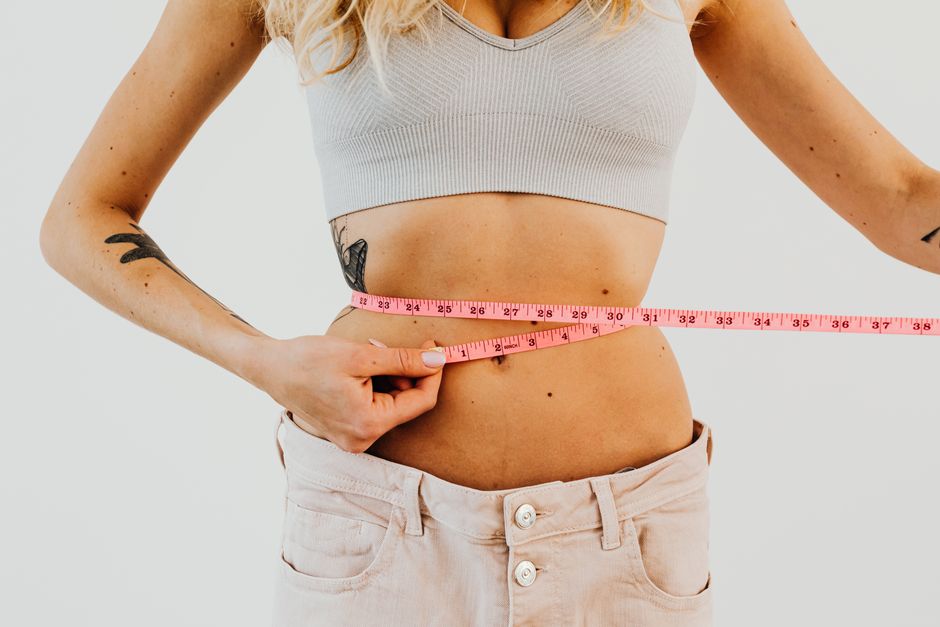
The “gelatin weight loss trick” is not one single recipe. It is a loose collection of internet trends that mix powdered gelatin with water, coffee, or other liquids and suggest the mixture curbs appetite. The real answer is that plain gelatin is mostly protein with almost no calories, but no reliable clinical evidence shows it causes meaningful weight loss on its own. The effects people report usually come from the low-calorie drink replacing a higher-calorie snack, not from the gelatin itself.
What Is Gelatin, Exactly?
Gelatin is a processed protein made from animal collagen. Collagen is the main structural protein in skin, bones, and connective tissue. When you cook bones or connective tissue in water, the collagen breaks down into gelatin. That is why meat stocks turn jelly-like when chilled.
Commercially, gelatin comes from cows or pigs. The powder is dried, ground collagen. It has no flavor on its own and dissolves in warm liquid. When it cools, it forms a gel.
Nutritionally, gelatin is almost pure protein. A typical serving of dry gelatin powder contains about 6 grams of protein and roughly 23 to 30 calories. It has no carbohydrates and no fat. But the protein in gelatin is incomplete. It lacks several essential amino acids, so it cannot be your only protein source.
How Did the Gelatin Weight Loss Trick Start?
The trend appears to have grown from older low-calorie dieting practices. Sugar-free gelatin has been a staple of diet plans for decades because it is nearly calorie-free. People ate it as a sweet snack that did not ruin their daily calorie budget.
The newer “trick” adds a twist. Instead of eating a bowl of gelatin, people drink a warm glass of water mixed with plain gelatin powder. Some versions add lemon juice or apple cider vinegar. Others mix gelatin into coffee or tea.
The theory is that the gelatin forms a gel in the stomach, which slows digestion and makes you feel full longer. That idea sounds reasonable, but it is not the same as proven science.
Does Gelatin Actually Suppress Appetite?
Some research suggests protein can increase fullness, and gelatin is a protein. But gelatin is not like meat or eggs. It lacks tryptophan and other essential amino acids, and it is digested differently than muscle meat protein.
Studies on gelatin and appetite are limited. A few small studies from past decades looked at gelatin as a satiety aid, but the results were not strong or consistent enough to support a weight loss claim. Modern clinical guidelines do not list gelatin as a weight loss tool.
What likely happens is simpler. If you drink a warm cup of water with gelatin instead of eating a 300-calorie snack, you will probably eat fewer calories that day. The gelatin is not the magic. The substitution is.
There is also a physical limit to how much fullness gelatin can provide. A few grams of protein in a cup of water will not create lasting satiety. Your stomach empties liquids quickly. The gel that forms in a bowl of chilled gelatin is different from what happens in your warm stomach.





What Is Actually in the Gelatin Drink?
Depending on the version of the trick, the drink contains a few basic ingredients. Here is what is typical in most recipes circulating online:
- Plain gelatin powder — 1 to 2 teaspoons, about 5 to 10 grams
- Warm water or coffee — 8 to 12 ounces
- Flavoring — lemon juice, cinnamon, or a sugar-free sweetener
- Optional add-ins — apple cider vinegar or collagen peptides
That combination provides very few calories. A 10-gram serving of gelatin has roughly 30 to 40 calories. With water and lemon, the total drink is about 40 calories or less.
Some versions use collagen peptides instead of gelatin. Collagen peptides are hydrolyzed, meaning they dissolve in cold liquid and do not form a gel. They are not the same as gelatin, even though both come from collagen. If a recipe calls for gelatin and you use collagen peptides, the texture and digestion will be different.
Is the Gelatin Weight Loss Trick Safe?
For most healthy adults, eating gelatin in food amounts is safe. The FDA recognizes gelatin as generally safe for consumption. It is a common ingredient in desserts, gummies, and marshmallows.
However, drinking concentrated gelatin daily is not the same as eating it in a dessert. A few concerns are worth noting.
First, gelatin is an animal product. It is not suitable for vegetarians or vegans. If you follow a plant-based diet, this trick is not an option unless you use agar-agar, which is a seaweed-based alternative that behaves differently.
Second, very high protein intake from gelatin could be hard on the kidneys for someone with existing kidney disease. If you have kidney issues, check with your doctor before adding a daily protein supplement of any kind.
Third, some flavored gelatin products contain artificial sweeteners, dyes, and added sugar. The sugar-free versions have artificial sweeteners that some people prefer to avoid. Always read the label.
There is no clinical guideline for how much gelatin is safe as a daily supplement. No official recommendation exists for this use. That is not a warning that it is dangerous. It just means there is no established dosing standard.
What Does the Evidence Actually Say About Gelatin and Weight Loss?
The honest answer is that no large human trials have tested gelatin as a weight loss supplement. The evidence base is thin. What exists are small studies and theoretical reasoning.
Some research on collagen and gelatin has focused on joint health and skin elasticity, not weight loss. Those studies are also limited, and results are mixed. Even where collagen shows benefits for skin or joints, that does not translate into a weight loss effect.
Weight loss happens when you consistently consume fewer calories than you burn. Any food or drink that helps you do that can support weight loss. Gelatin can fit into that pattern because it is low-calorie and filling enough to replace a snack. But it is not a metabolic booster. It does not speed up your metabolism. It does not burn fat.
Claims that gelatin “burns belly fat” or “targets stubborn fat” are not supported by any credible research. No study has confirmed those effects. If you see those claims, treat them as marketing, not science.
Should You Try the Gelatin Weight Loss Trick?
If you are curious, there is no strong reason not to try it, provided you are healthy and understand what it is. It is a low-calorie drink. It will not hurt you in normal amounts. But it is not a proven weight loss method, and it will not work if your overall diet stays the same.
Here is what the trick can realistically do:
- Replace a higher-calorie snack with a near-zero-calorie drink
- Add a few grams of protein to your day
- Help you feel full for a short time before a meal
Here is what it cannot do:
- Burn fat on its own
- Suppress appetite for hours
- Make up for a poor diet
- Replace balanced protein sources like meat, eggs, or beans
If you want to try it, use plain gelatin powder, not flavored dessert mixes with added sugar. Mix one teaspoon into warm water. Drink it before a meal. Pay attention to how you feel. If it helps you eat less, fine. If it does nothing, that is also fine, because the evidence never promised more.
What Are Better Alternatives for Weight Loss?
If the goal is appetite control and sustainable weight loss, the evidence is much stronger for other approaches. Protein is genuinely helpful for fullness, but the source matters. Whole food proteins like eggs, Greek yogurt, chicken, fish, and legumes are more complete and more satisfying than gelatin.
Fiber is another well-studied tool. High-fiber foods like vegetables, fruits, oats, and beans slow digestion and increase fullness. Unlike gelatin, fiber has decades of strong research behind it for weight management.
Water itself is underrated. Drinking a glass of water before a meal has been studied more than gelatin, and some research suggests it can help with portion control. Not all studies agree, but water is free and harmless.
Sleep and stress also matter. Poor sleep raises ghrelin, the hunger hormone, and lowers leptin, the fullness hormone. Chronic stress can drive cravings for high-calorie foods. No gelatin drink can override those biological signals.
Frequently Asked Questions
Does the gelatin weight loss trick really work?
There is no reliable clinical evidence that gelatin alone causes weight loss. It may help indirectly if the low-calorie drink replaces a higher-calorie snack.
How much gelatin should I take for weight loss?
No clinical guidelines exist for gelatin as a weight loss supplement. Most online recipes suggest 1 to 2 teaspoons per drink, but that amount is not based on scientific evidence.
Is it safe to drink gelatin every day?
Gelatin is generally recognized as safe in food amounts, but no official recommendation covers daily concentrated use. If you have kidney disease or dietary restrictions, talk to your doctor first.
Is gelatin the same as collagen peptides?
No. Both come from collagen, but gelatin forms a gel in liquid while collagen peptides dissolve cold and do not gel. They are processed differently and behave differently in the body.
