

If you want to burn the most calories in a single session, cardio wins. If you want to protect the muscle that keeps your metabolism steady as you lose weight, strength training matters more than most people realize. The best answer for lasting weight loss is not one or the other — it is both, with a plan that fits your body and your life.
That answer frustrates people looking for a simple winner. But the research is fairly consistent on this point. Weight loss comes down to a calorie deficit. Both types of exercise can help create one. The difference is in what each does to your body along the way.
What Happens to Your Body When You Do Cardio?
Cardiovascular exercise — running, cycling, swimming, brisk walking — raises your heart rate and breathing for a sustained period. Your muscles pull oxygen and fuel from your bloodstream, and your body burns calories to keep moving.
The calorie burn during cardio can be substantial. A 155-pound person running at a moderate pace for 30 minutes burns roughly 370 calories, according to standard physical activity energy expenditure data. The same person doing 30 minutes of steady cycling burns around 260. These are estimates, and actual burn varies with fitness, pace, and body composition.
Cardio also improves heart and lung function. Regular aerobic exercise lowers resting blood pressure, improves cholesterol profiles, and reduces the risk of heart disease and type 2 diabetes. These benefits are well established and appear across decades of research.
What cardio does not do especially well is preserve muscle. When you eat in a calorie deficit and rely mainly on cardio, some of the weight you lose comes from lean tissue. That matters because muscle burns more calories at rest than fat does. Lose muscle, and your resting energy expenditure drops. This is one reason weight regain is so common after aggressive cardio-based weight loss.
What Does Strength Training Do for Weight Loss?
Strength training — lifting weights, using resistance bands, bodyweight exercises — builds and maintains muscle. The calorie burn during a single session is usually lower than cardio. A 155-pound person lifting weights for 30 minutes burns roughly 110 to 220 calories depending on intensity and rest periods.
The value of strength training for weight loss shows up over time, not in a single workout. Muscle tissue is metabolically active. More muscle means a slightly higher resting metabolic rate, which means you burn more calories even when you are sitting still. The effect is real but often overstated in fitness marketing. Building a pound of muscle raises daily calorie burn by only a modest amount.
The bigger benefit is protection. When you lose weight, strength training helps ensure more of the loss comes from fat and less from muscle. Some studies suggest that people who combine a calorie deficit with resistance training retain more lean mass than those who rely on diet alone or diet plus cardio.
Strength training also supports bone density, joint stability, and blood sugar control. These benefits matter more with age, which is relevant for readers in their 40s, 50s, and 60s.
Cardio or Strength Training Better for Weight Loss: A Side-by-Side Look
Both approaches create a calorie deficit, but they do it differently and produce different body composition changes.
| Factor | Cardio | Strength Training |
|---|---|---|
| Calories burned during session | Higher | Lower |
| Effect on resting metabolism | Minimal | Modest increase over time |
| Muscle preservation during weight loss | Limited | Strong |
| Heart and lung benefits | Strong | Moderate |
| Bone density support | Moderate (weight-bearing forms) | Strong |
| Blood sugar control | Strong | Strong |
Neither column wins outright. Cardio burns more per session. Strength training protects the body composition you want to keep. A plan that includes both covers more ground than either alone.
-
 Is Cardio or Weights Better for Weight Loss? Everything You Need to Know
 -
Is Resistance Training Good for Weight Loss? The Real Answer
-
Will Weight Training Burn Belly Fat? Here’s What to Know
-
Which is Better for Weight Loss Casein or Whey Protein?
-
Ikaria Lean Belly Juice Review: Work For Weight Loss Or Not?

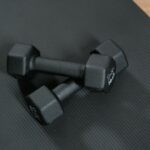



Why the Combination Beats Either One Alone
If your goal is fat loss while keeping muscle, the combination approach has the strongest support. Cardio helps create the calorie deficit. Strength training helps preserve lean mass so more of the weight you lose is fat.
A practical split for most people is two to three strength sessions per week and 150 minutes of moderate cardio per week. That cardio figure comes from established physical activity guidelines for general health. It is not a weight loss prescription, but it is a reasonable baseline. More cardio can help with weight loss, but returns diminish and recovery becomes a factor.
Order matters less than consistency. Some people lift first, then do cardio. Others separate them by day. Both work. If you do them back to back, doing strength first may help you lift with better form and effort, since fatigue from cardio can compromise technique.
One non-obvious point: walking counts. It is low impact, easy to recover from, and adds up. Many people who struggle with intense cardio programs do better with a daily walking habit plus two strength sessions per week than with a grueling cardio plan they abandon after a month.
What Actually Drives Weight Loss?
Exercise is one lever. Food intake is the bigger one. Most people cannot out-train a poor diet. A single fancy coffee drink can contain more calories than a 30-minute workout burns.
Weight loss requires a sustained calorie deficit. Exercise helps create that deficit and supports overall health, but the kitchen does most of the work. This is not a reason to skip exercise. It is a reason to be realistic about what exercise alone can achieve.
Sleep and stress also affect weight. Poor sleep raises hunger hormones and makes calorie control harder. Chronic stress can drive eating for reasons unrelated to hunger. These factors are easy to overlook and often matter as much as the choice between cardio and lifting.
Does Cardio or Strength Training Burn More Belly Fat?
Neither spot-reduces fat from the belly. The body draws on fat stores from all over, and where you lose first is largely genetic. Cardio tends to burn more total calories, which can lead to more overall fat loss if the deficit is maintained. Strength training changes body composition so you may look leaner at the same weight.
Some research suggests that higher-intensity intervals may be efficient for fat loss per unit of time, but the evidence is mixed and results vary between individuals. Steady cardio and strength training both work. The best option is the one you will actually do consistently.
Visceral fat — the fat around your organs — responds well to regular exercise and diet changes. This matters because visceral fat is linked to heart disease and type 2 diabetes. Both cardio and strength training help reduce it, especially when combined with a calorie deficit.
How to Build a Plan That Works for You
Start with what you can sustain. A plan you follow for six months beats a perfect plan you quit in three weeks.
- Beginners: Two full-body strength sessions per week plus 20 to 30 minutes of walking most days.
- Intermediate: Three strength sessions and 150 minutes of moderate cardio per week, split however fits your schedule.
- Short on time: Two strength sessions plus short bouts of higher-intensity cardio when you can manage them.
- Older adults: Prioritize strength training to protect muscle and bone, and add low-impact cardio like walking or swimming.
Protein intake supports muscle retention during weight loss. General guidance for adults trying to preserve muscle while losing weight is higher protein than the standard minimum, though specific targets vary by body size and activity level. A registered dietitian can help set a number that fits you.
Track something. Weight alone can mislead, since muscle and water shifts affect the scale. Waist measurements, how clothes fit, and strength progress tell a fuller story.
The Bottom Line
Cardio burns more calories during a workout. Strength training protects the muscle that keeps your metabolism from slowing as you lose weight. For most people, the best approach is both — a combination of regular cardio and two to three strength sessions per week, paired with a calorie deficit from food.
There is no single exercise that guarantees weight loss. The evidence supports consistency, a moderate deficit, and a mix of activities that you can maintain. That is less exciting than a headline, but it is what actually works.
Frequently Asked Questions
Is cardio or strength training better for weight loss?
Cardio burns more calories per session, but strength training helps preserve muscle during weight loss. The combination produces better results than either one alone.
Can I lose weight with strength training only?
Yes, if you maintain a calorie deficit. Strength training alone may burn fewer calories per session, but it supports muscle retention and a slightly higher resting metabolism over time.
How much cardio do I need to lose weight?
General health guidelines recommend 150 minutes of moderate cardio per week, though weight loss may require more depending on your diet and starting point. Exercise alone rarely produces significant weight loss without dietary changes.
Will lifting weights make me bulky instead of lean?
No. Building noticeable muscle mass requires a calorie surplus and consistent progressive training over months. In a calorie deficit, strength training helps you keep muscle, not add bulk.
