
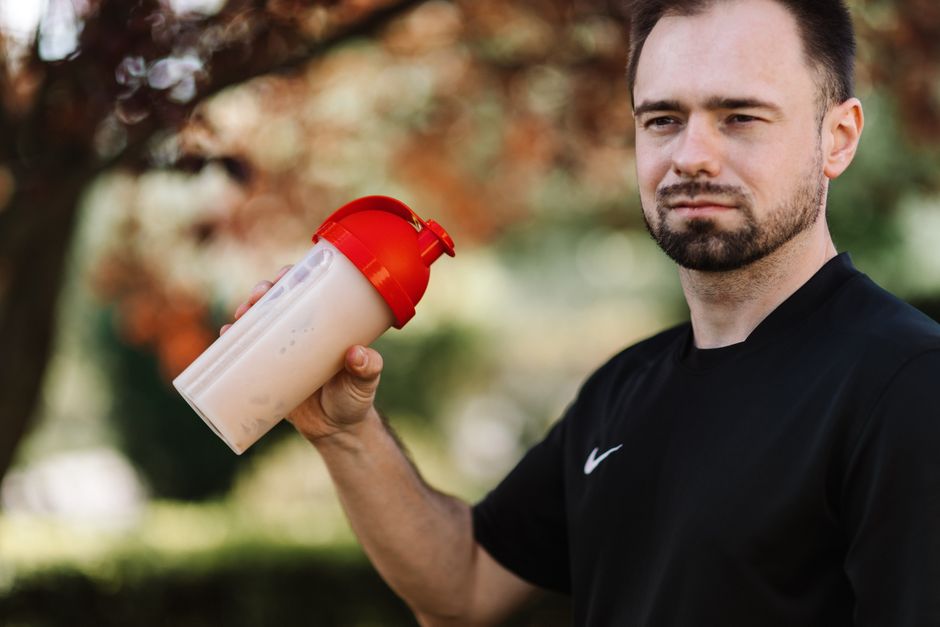
Protein powder is not inherently good or bad for you. Whether it helps depends on what you are already eating, what you are asking it to do, and which product you choose. For some people it fills a real gap. For others it adds cost and calories without adding anything their diet was missing.
That is the honest answer. The rest of this article explains when protein powder helps, when it does not, and what the evidence actually supports.
Is Protein Powder Good For You The Real Answer
Protein powder is a supplement, not a food group. It is a concentrated source of protein, usually made from whey, casein, soy, pea, or rice. Most products deliver roughly 20 to 25 grams of protein per scoop, though this varies widely by brand and type.
The core question is not whether protein powder is “good.” It is whether you need more protein than your food is providing, and whether a powder is the most sensible way to get it.
Protein is not optional. Your body uses it to build and repair muscle, make enzymes and hormones, and support immune function. The Dietary Guidelines for Americans set the general recommended daily allowance at 0.8 grams of protein per kilogram of body weight for most healthy adults. For a 150-pound person, that is about 54 grams per day.
Most Americans already meet or exceed that baseline through food alone. Where protein powder becomes genuinely useful is in specific situations where hitting that number through meals is difficult, impractical, or simply not happening.
Who Actually Benefits From Protein Powder
Protein powder is most useful for people who have a hard time getting enough protein from food. That is a practical problem, not a moral one.
- Older adults. Appetite and muscle mass tend to decline with age, and some research suggests higher protein intake may help preserve muscle. Powder is easy to consume when appetite is low.
- People doing serious strength training. Resistance training raises protein needs, and some athletes find it hard to eat enough through meals alone.
- People recovering from illness or surgery. Protein needs can rise during recovery, and a powder may be easier to tolerate than large meals.
- Vegetarians and vegans. Plant proteins can be harder to accumulate in large amounts from whole foods alone, though it is entirely possible with planning.
- People with limited time or cooking ability. A shake is fast. That convenience is real, even if it is not a nutritional advantage.
Notice what is not on that list: the average healthy adult eating a varied diet. If you already eat meat, eggs, dairy, beans, or soy regularly, you are likely meeting your protein needs without a powder. Adding one anyway is not harmful for most people, but it is also not doing much.
What the Evidence Says About Protein Powder and Muscle
Protein powder can help build muscle when it is part of a program that includes resistance training and adequate total protein. That is well established. The powder itself is not magic. It is simply a convenient way to hit a protein target.
This is where marketing often outruns the science. Supplement companies imply that their specific product, timing, or formula is what drives results. The evidence does not support that framing. What matters is total daily protein intake and whether you are actually challenging your muscles through training.
Some studies suggest that spreading protein across the day may be slightly better than eating it all at once, but the difference is small and the research is not settled. The old idea of a strict “anabolic window” right after a workout has largely been walked back. Total daily intake matters more than precise timing for most people.
One clarification worth making: more protein does not automatically mean more muscle. Once you meet your body’s needs, extra protein is either used for energy or stored. There is a ceiling, and it is lower than many supplement ads suggest.





What Is Actually in Protein Powder
Protein powder is a processed product. That word gets used as a scare tactic, but processing itself is not the issue. The issue is what else comes along with the protein.
Ingredients vary enormously between products. Some contain little more than protein isolate and flavoring. Others include added sugars, artificial sweeteners, thickeners, and a long list of additives. Some products have been found in independent testing to contain heavy metals like lead or cadmium, though levels and frequency vary by brand and batch.
Third-party testing matters here. Certifications from independent labs indicate a product has been screened for certain contaminants and, in some cases, for banned substances. This is not a guarantee of health benefit, but it is a meaningful quality signal.
Protein source also matters for some people. Whey and casein come from milk, so they are not suitable for anyone with a dairy allergy. Soy, pea, and rice proteins are common plant-based options. People with kidney disease should talk to a doctor before increasing protein intake from any source, because protein metabolism puts additional load on the kidneys.
Protein Powder Compared to Whole Food Protein
Whole foods provide more than protein. They also deliver fiber, vitamins, minerals, and other compounds that powders do not. That is not a reason to avoid powder, but it is a reason not to treat it as a replacement for meals.
| Source | Protein (approx.) | What else you get |
|---|---|---|
| Whey protein scoop | 20–25 g | Little else; may include added sweeteners |
| 3 oz chicken breast | ~26 g | B vitamins, selenium, no additives |
| 1 cup cooked lentils | ~18 g | Fiber, folate, iron, potassium |
| 2 large eggs | ~12 g | Choline, vitamin D, healthy fats |
| 1 cup Greek yogurt | ~20 g | Calcium, probiotics, iodine |
The comparison is not meant to declare a winner. It is meant to show that a powder and a food are not interchangeable. If your diet is already varied and adequate, a powder adds protein and little else. If your diet is falling short, that added protein may be exactly what you need.
Are There Risks or Downsides
For most healthy adults, protein powder is not dangerous. But “not dangerous” is not the same as “no downsides.”
Digestive discomfort is common, especially with whey or sugar alcohols used as sweeteners. Some people experience bloating, gas, or loose stools. Lactose intolerance can make whey concentrate problematic, though whey isolate contains less lactose.
Calories add up. A protein shake is a meal’s worth of calories in some cases. If weight management is a goal, liquid calories are easy to overlook and easy to overconsume.
Contamination is a real if uneven concern. Independent testing has found heavy metals in some protein products, particularly certain plant-based ones, because plants absorb metals from soil. This does not mean all plant proteins are contaminated. It means product choice matters, and third-party testing is a reasonable filter.
People with kidney disease, liver disease, or certain metabolic conditions should not increase protein intake without medical guidance. This is not a caution to ignore.
How to Choose a Protein Powder If You Decide to Use One
If you have decided a powder makes sense for you, the selection process is fairly simple. Focus on a few things that actually matter.
- Protein content per serving. Aim for a product where protein is the main ingredient, not sugar or filler.
- Third-party testing. Look for independent certification marks. They are not perfect, but they indicate some screening.
- Ingredient list length. Shorter is generally easier to evaluate. You do not need a long list of extras.
- Protein source that fits your diet. Dairy allergy, vegan diet, or lactose intolerance all point toward different choices.
- Added sugar. Some powders contain as much sugar as a dessert. Check the label if that matters to you.
There is no single best protein powder. There are products that fit your needs and products that do not. The label tells you more than the marketing does.
So Do You Need It
Most healthy adults eating a varied diet do not need protein powder. It is a convenience product, and convenience has value, but it is not a nutritional requirement.
If you are unsure whether you are getting enough protein, the more useful first step is to look at what you actually eat for a few days. A doctor or registered dietitian can help you assess that. Protein powder can fill a gap if one exists. It cannot create a benefit that your diet was already providing.
Where the evidence is strong: protein powder helps people meet protein needs when food alone falls short, and it supports muscle growth when combined with resistance training and adequate total intake. Where the evidence is weak or absent: claims that a specific powder boosts immunity, improves metabolism, or delivers benefits beyond the protein it contains. Those claims are marketing, not science.
Frequently Asked Questions
Is protein powder good for you?
Protein powder is helpful if you struggle to meet your protein needs through food, and unnecessary if you already eat enough protein. It is a supplement, not a requirement for good health.
Can I drink protein shakes every day?
Most healthy adults can use protein powder daily without known harm, provided total protein intake stays reasonable and the rest of the diet is balanced. People with kidney or liver conditions should check with a doctor first.
Is protein powder better than eating real food?
No. Whole foods provide protein plus fiber, vitamins, and minerals that powders do not. Protein powder is a convenience tool, not a replacement for a varied diet.
Does protein powder build muscle without exercise?
No. Muscle growth requires resistance training. Protein supports the process, but without training stimulus, extra protein does not build muscle on its own.
