
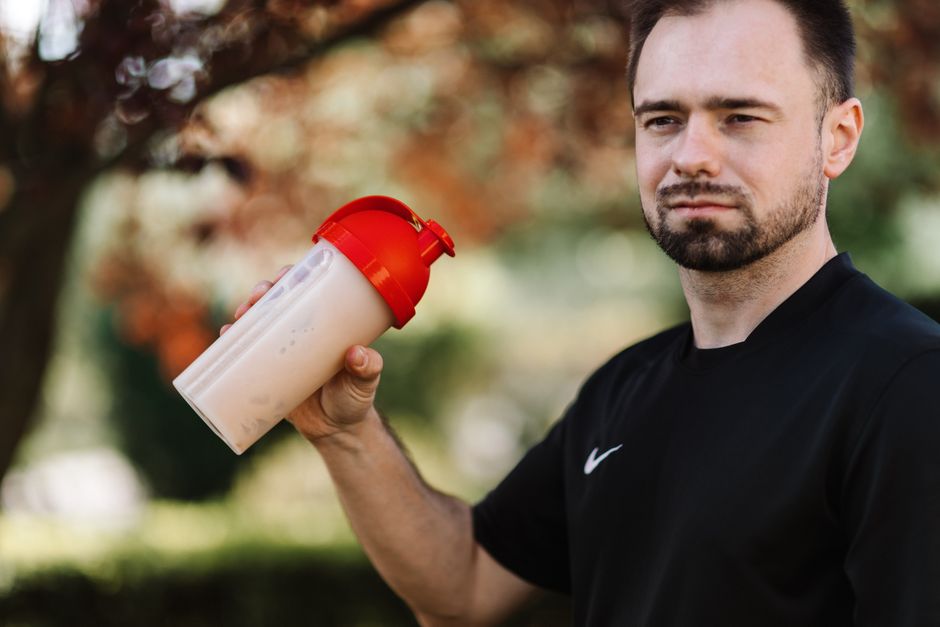
Protein powder sits in a gray zone when it comes to food processing. Some types are minimally processed and close to their natural source. Others go through extensive chemical and industrial steps that clearly qualify as ultra-processed. The real answer depends on which powder you choose, how it was made, and what you compare it to. Most commercial protein powders are ultra-processed by standard definitions, but that label alone does not tell you whether a product is healthy or harmful.
What Does Ultra-Processed Actually Mean?
The term “ultra-processed” comes from a food classification system called NOVA. It groups foods by how much they are altered from their natural state. The system has four categories: unprocessed foods, processed culinary ingredients, processed foods, and ultra-processed foods.
Ultra-processed foods are industrial formulations made mostly from substances extracted from foods. They contain little or no whole food. Common ingredients include hydrogenated oils, modified starches, artificial colors, and flavor enhancers. These products are designed to be convenient, shelf-stable, and highly palatable.
Protein powders often fit this description. Many contain isolated proteins, artificial sweeteners, emulsifiers, and synthetic vitamins. They undergo multiple industrial steps to extract and concentrate the protein. By the NOVA definition, most commercial protein powders are ultra-processed.
Is Protein Powder Ultra Processed The Real Answer Depends on the Type
Not all protein powders are created equal. The processing level varies widely between products. Understanding the differences helps you make an informed choice.
Whey protein isolate is heavily processed. It goes through filtration, ion exchange, and drying steps to concentrate the protein content. The final product is far removed from the original milk. It is technically ultra-processed by most standards.
Whey protein concentrate is less processed than isolate. It retains more of the natural components found in milk, including some fats and carbohydrates. Still, it undergoes significant industrial processing.
Collagen peptides come from animal connective tissue. The raw material is treated with enzymes, heat, and acid to break down the collagen. The resulting powder is highly processed.
Pea and rice proteins are extracted from plant sources. They go through milling, soaking, enzymatic treatment, and spray drying. These steps are extensive, though the starting material is a whole plant food.
Some brands sell minimally processed protein powders. These use whole food ingredients like hemp seeds, pumpkin seeds, or sprouted grains. They are ground into powder without heavy extraction. These products are closer to category one or three on the NOVA scale.
Does Being Ultra-Processed Make Protein Powder Unhealthy?
This is where the evidence gets complicated. The NOVA classification is about processing, not nutrition. A food can be ultra-processed and still provide valuable nutrients. Protein powder is a clear example.
Research consistently links high intake of ultra-processed foods to worse health outcomes. Studies have found associations with obesity, heart disease, and type 2 diabetes. However, most of this research focuses on foods like sugary drinks, packaged snacks, and processed meats. Protein powder is rarely studied on its own.
Some research suggests that the health risks of ultra-processed foods come from their overall composition. These foods tend to be high in added sugar, unhealthy fats, and sodium. They are low in fiber and beneficial nutrients. Protein powder does not fit this pattern. It is low in sugar, contains no fiber, and provides a concentrated source of protein.
The evidence does not show that protein powder is harmful simply because it is ultra-processed. The label alone is not a reliable indicator of health impact. What matters more is the overall diet and the specific ingredients in the powder.


What Is Actually in Most Protein Powders?
Reading the ingredient list tells you more than the processing label. Many protein powders contain additives that go beyond the protein source itself.
Common additives include:
- Artificial sweeteners like sucralose, aspartame, or acesulfame potassium
- Natural flavors, which are still chemically processed
- Emulsifiers like soy lecithin or xanthan gum
- Thickeners and anti-caking agents
- Artificial colors
- Added vitamins and minerals
These ingredients serve practical purposes. They improve taste, texture, and shelf life. Some people prefer to avoid them. Others are not bothered by them. Neither position is wrong.
Some brands market “clean” protein powders with minimal ingredients. These often contain just the protein source and a natural sweetener like stevia or monk fruit. They are less processed but still not whole foods.
Protein Powder Compared to Other Protein Sources
Context matters when evaluating protein powder. The comparison should be against real-world alternatives, not an ideal diet.
Whole foods like chicken, eggs, fish, beans, and dairy provide protein along with other nutrients. They are the gold standard for protein intake. No protein powder matches the nutritional complexity of whole foods.
But many people do not eat enough protein from whole foods alone. Athletes, older adults, and people with high protein needs may struggle to meet their targets. Protein powder offers a convenient, portable, and affordable option.
The realistic comparison is between protein powder and other convenient protein sources. Fast food, processed meats, and protein bars are often more processed and less healthy than a simple whey protein shake. In this context, protein powder can be a reasonable choice.
There is no clinical evidence that protein powder is harmful when consumed as part of a balanced diet. The evidence does not support the claim that avoiding protein powder entirely is necessary for good health.
How to Choose a Protein Powder if You Decide to Use One
If you want to minimize processing, look for products with short ingredient lists. Fewer ingredients generally means less processing. Choose powders that list the protein source as the first ingredient and contain no artificial additives.
Consider the protein source itself. Some people tolerate certain proteins better than others. Whey and casein come from dairy and may cause digestive issues for people with lactose intolerance. Plant proteins like pea, rice, and hemp are dairy-free alternatives.
Pay attention to added sugar. Some flavored protein powders contain significant amounts of sugar. Check the nutrition label and choose products with less than 5 grams of sugar per serving when possible.
Third-party testing is worth checking. Some brands pay for independent testing to verify their products contain what the label claims. This is especially important because supplements are not strictly regulated for purity and accuracy.
If you are pregnant, breastfeeding, or managing a medical condition, talk to your doctor before adding protein powder to your routine. No clinical guidelines exist for protein powder use in these populations. Your healthcare provider can help you decide whether it is appropriate.
The Bottom Line on Protein Powder and Processing
Most protein powders are ultra-processed by the NOVA classification. That is a factual statement, not a judgment. The term describes the degree of industrial processing, not the health value of the product.
Protein powder can be a practical way to increase protein intake. It is not a whole food, and it should not replace whole food protein sources in your diet. But for many people, it fills a genuine gap between protein needs and what they can realistically eat.
The decision to use protein powder is personal. If you prefer to avoid ultra-processed foods entirely, you can meet your protein needs with whole foods alone. If you use protein powder for convenience, choose a product with minimal additives and be honest about its place in your diet.
Neither choice is clearly right or wrong based on current evidence. What matters most is the overall quality of your diet and whether you are meeting your nutritional needs.
Frequently Asked Questions
Is all protein powder ultra-processed?
No. Most commercial protein powders are ultra-processed, but some minimally processed options exist. Whole food powders made from hemp seeds, pumpkin seeds, or sprouted grains undergo less industrial processing.
Does ultra-processed protein powder cause health problems?
No clinical evidence shows that protein powder is harmful specifically because it is ultra-processed. Research on ultra-processed foods focuses mostly on products high in sugar, unhealthy fats, and additives, which does not describe most protein powders.
What is the healthiest type of protein powder?
There is no single healthiest type. Choose a product with a short ingredient list, low added sugar, and a protein source that works for your digestive system. Third-party tested brands offer more assurance about what is actually in the product.
Can I get enough protein without protein powder?
Yes. Whole foods like chicken, fish, eggs, beans, lentils, dairy, and nuts provide ample protein. Most adults can meet their protein needs through diet alone without supplements.
