
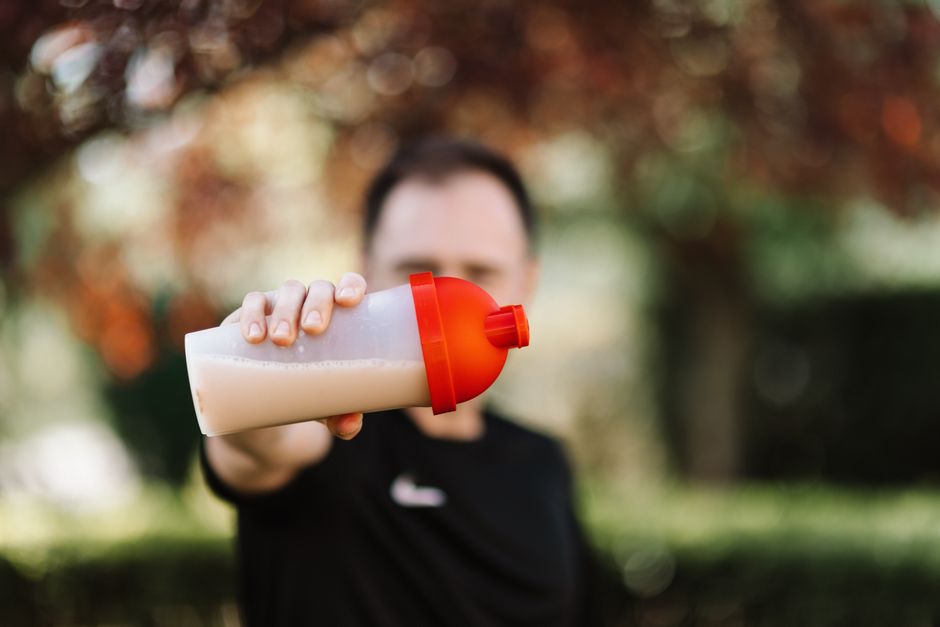
If you buy a typical whey protein powder, you are getting about 20 to 25 grams of protein per scoop. That scoop usually weighs about 30 grams total. The rest of that weight comes from carbohydrates, fat, flavorings, and moisture. This number is standard across most popular brands, but it can range from as low as 15 grams to as high as 30 grams per serving depending on the product.
How Much Protein Is In Whey Protein Powder?
A standard serving of whey protein concentrate contains about 70 to 80 percent protein by weight. Whey protein isolate is higher, usually 90 percent or more. This means a 30-gram scoop of concentrate gives you roughly 21 to 24 grams of protein. The same size scoop of isolate gives you about 27 grams.
These percentages matter because they tell you how much actual protein you get versus everything else in the scoop. If a product label says “30 grams of protein” but the scoop is 40 grams total, the remaining 10 grams are not protein. They are carbs, fat, and other ingredients.
Why Scoop Sizes Vary Between Brands
Not every scoop is the same size. Some brands use a 25-gram scoop. Others use a 35-gram scoop. This is why comparing protein powders by scoop size alone can be misleading.
The number that matters is the protein per 100 grams. This lets you compare products fairly. A whey concentrate might have 75 grams of protein per 100 grams of powder. An isolate might have 90 grams per 100 grams. When you see these numbers, you can calculate exactly how much protein is in any scoop size.
Check the nutrition label for “protein per serving” and also look at the serving size in grams. Divide the protein grams by the total serving grams. That gives you the protein percentage. This simple math helps you spot products that look high in protein but are actually diluted with fillers.
Whey Concentrate vs. Isolate vs. Hydrolysate
There are three main types of whey protein. Each has a different protein content per scoop.
- Whey concentrate is the most common and cheapest. It contains 70 to 80 percent protein. The rest is lactose, fat, and moisture. It tastes better than isolate for many people because it retains more natural flavor.
- Whey isolate undergoes more processing to remove fat and lactose. It contains 90 percent protein or higher. A 30-gram scoop gives you about 27 grams of protein. It is a good choice if you are lactose sensitive.
- Whey hydrolysate is pre-digested. The protein chains are broken down into smaller pieces. It has a similar protein content to isolate but is absorbed faster. It is often used in medical protein formulas and premium sports products.
The differences in protein content are real but modest. Going from concentrate to isolate adds roughly 3 to 5 grams of protein per scoop. For most people, this difference does not matter much. What matters more is total daily protein intake across all meals and snacks.





How Much Protein Do You Actually Need?
The average sedentary adult needs about 0.8 grams of protein per kilogram of body weight. That equals about 0.36 grams per pound. For a 150-pound person, that is about 54 grams of protein per day. A whey shake can cover nearly half of that need.
Active people need more. Research consistently shows that people who exercise regularly benefit from 1.2 to 2.0 grams of protein per kilogram of body weight daily. For a 175-pound person who lifts weights, that is about 95 to 160 grams of protein per day. One whey shake contributes 20 to 25 grams toward that goal.
Whey protein is a complete protein. It contains all nine essential amino acids your body cannot make on its own. It is particularly rich in leucine, the amino acid that signals your body to build muscle. This makes whey especially useful after resistance training, though the exact timing of protein intake around workouts is less critical than once thought.
Are You Getting the Protein Listed on the Label?
Independent testing has raised questions about label accuracy in some protein powders. Some products tested have contained less protein than stated on the label. This is not common across all brands, but it happens.
Third-party testing organizations like NSF International and Informed Choice verify that products contain what the label claims. If label accuracy matters to you, look for a seal from one of these programs. These certifications also screen for banned substances and contaminants.
Another consideration is the “protein-spiking” issue. Some manufacturers add cheaper amino acids like glycine and taurine to inflate the nitrogen content measured during testing. This makes the product appear higher in protein than it really is. Reputable brands do not do this, and third-party testing catches it when it happens.
Does the Type of Whey Affect How Much Protein You Absorb?
Your body absorbs whey protein efficiently regardless of whether it is concentrate, isolate, or hydrolysate. The differences in absorption speed are minor and rarely matter in practice.
Hydrolysate is absorbed fastest because the proteins are already broken down. Isolate is absorbed slightly faster than concentrate. But all three are digested and absorbed within a few hours. For most people, choosing the type of whey based on taste, price, and lactose tolerance makes more sense than chasing small differences in absorption speed.
What matters more is total protein intake throughout the day. Your body does not store protein the way it stores fat or carbohydrates. Eating enough protein at each meal is more effective than relying on one large shake.
How to Read a Whey Protein Label Correctly
Start by looking at the serving size. It should be listed in grams. Then look at the protein per serving. Divide protein by total serving weight to get the percentage.
For example, a product with a 32-gram scoop and 24 grams of protein is 75 percent protein. That is typical for a concentrate. A product with a 30-gram scoop and 27 grams of protein is 90 percent protein. That is typical for an isolate.
Also check the carbohydrate and fat content. Whey concentrate naturally contains more of both. If you are watching your carbohydrate intake, isolate may be a better fit. If you are not, concentrate offers better value for the same muscle-building benefit.
Be aware that flavored powders contain extra ingredients. Chocolate, vanilla, and other flavors add carbohydrates and sometimes fat. Unflavored whey has the highest protein percentage because it contains only whey and minimal additives. If you want maximum protein per scoop, unflavored isolate is the most concentrated option.
Is Whey Protein Powder the Best Source of Protein?
Whey is an excellent protein source, but it is not the only one. Chicken breast is about 31 grams of protein per 100 grams of cooked meat. Eggs provide about 6 grams per large egg. Greek yogurt delivers roughly 10 grams per 100 grams. Milk, fish, and legumes are all solid sources.
The advantage of whey is convenience. You can get 20 to 25 grams of protein in a shake in under a minute. No cooking, no chewing, no preparation. This makes it easier to hit your daily protein target, especially if you have a busy schedule or struggle to eat enough whole foods.
The downside is that whey lacks the other nutrients found in whole foods. Chicken provides iron and B vitamins. Fish provides omega-3 fatty acids. Eggs provide choline. Whole foods offer more than protein alone. Whey should supplement a balanced diet, not replace it.
Frequently Asked Questions
How many grams of protein are in one scoop of whey protein?
Most scoops contain 20 to 25 grams of protein. The exact amount depends on the brand, the scoop size, and whether it is concentrate or isolate.
Is whey protein isolate higher in protein than concentrate?
Yes, isolate is about 90 percent protein while concentrate is about 70 to 80 percent. A 30-gram scoop of isolate gives you roughly 27 grams of protein versus 21 to 24 grams for concentrate.
Can you get too much protein from whey powder?
Very high protein intakes above 2 grams per kilogram of body weight are not harmful for healthy people, but they are unnecessary. Stick to 1.2 to 2.0 grams per kilogram if you are active and get most of your protein from whole foods.
Does whey protein powder count toward your daily protein needs?
Yes, it counts fully. Whey is a complete protein and your body uses it the same way it uses protein from food. It is simply a convenient way to meet your daily protein target.
