
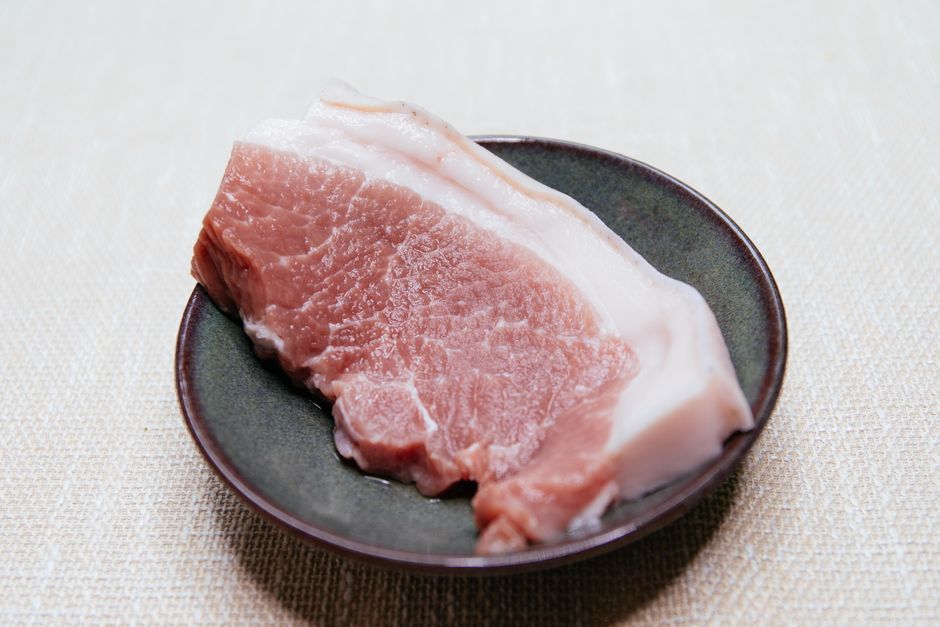
Pork is a good source of protein. A standard serving of cooked pork provides about 25 grams of high-quality protein, which is comparable to beef or chicken. Beyond the protein, pork supplies essential B vitamins, zinc, and selenium. The key to making pork a healthy choice comes down to the cut you select and how you prepare it.
What Makes Pork a High-Quality Protein?
Protein quality is about more than just the gram count. It depends on the amino acid profile. Your body needs nine essential amino acids that it cannot make on its own. Foods that contain all nine in adequate amounts are called complete proteins.
Pork is a complete protein. It contains every essential amino acid your body requires for building and repairing muscle tissue. This makes it comparable to other animal proteins like beef, chicken, fish, and eggs. Plant proteins like beans or rice are often incomplete on their own, which is why pork and other animal proteins are considered efficient sources.
The digestibility of pork protein is also high. Your body can readily break it down and absorb the amino acids. This is important for muscle recovery after exercise and for maintaining muscle mass as you age.
How Much Protein Is Actually in Pork?
The exact protein content depends on the cut and the cooking method. Cooking removes water, which concentrates the protein by weight. A 3-ounce serving of cooked pork loin, which is about the size of a deck of cards, provides roughly 23 to 25 grams of protein.
Here is a general comparison of common pork cuts based on a 3-ounce cooked portion:
- Pork tenderloin: Approximately 22-24 grams of protein
- Pork loin chop: Approximately 23-25 grams of protein
- Pork shoulder (Boston butt): Approximately 21-23 grams of protein
- Bacon: Approximately 6 grams of protein per 3 slices
- Ground pork: Approximately 22 grams of protein
Bacon and sausage are much lower in protein per serving because they contain significant amounts of fat. They also tend to be high in sodium. If your goal is protein intake, lean cuts like tenderloin and loin chops are the most efficient choices.
Is Pork as Healthy as Chicken or Beef?
Pork often gets compared to chicken as a “lighter” meat, but the nutritional profiles are very similar when you compare lean cuts. A lean pork chop and a skinless chicken breast have nearly identical protein content and fat content. The old idea that pork is a fatty meat comes from a time when pigs were raised differently and fattier cuts were the standard.
Modern breeding and farming practices have produced significantly leaner pigs. The USDA now classifies pork tenderloin as a lean cut, meaning it contains less than 10 grams of total fat and less than 4.5 grams of saturated fat per serving. Pork loin is also classified as lean.
Compared to beef, pork is generally lower in saturated fat than heavily marbled cuts like ribeye. However, it is similar to lean cuts of beef like sirloin. Pork is not inherently unhealthy. The cut and portion size determine its place in a healthy diet.




What Nutrients Besides Protein Does Pork Provide?
Pork is not just protein. It is a dense source of several micronutrients that play important roles in daily function.
B vitamins: Pork is particularly rich in thiamin (vitamin B1). This is unusual because most other meats are not significant sources of thiamin. Thiamin is essential for converting carbohydrates into energy. Pork also provides high levels of niacin (B3), vitamin B6, and vitamin B12, all of which support nervous system function and red blood cell production.
Zinc: Pork provides zinc, a mineral critical for immune function and wound healing. A 3-ounce serving of pork loin supplies roughly 15-20% of the daily recommended intake for zinc.
Selenium: Pork is a good source of selenium, an antioxidant mineral that helps protect cells from damage. Selenium also supports thyroid function.
Creatine and taurine: Like other meats, pork contains creatine and taurine. Creatine is well-studied for its role in muscle strength and power. Taurine supports heart and muscle function. These compounds are found naturally in meat and are not available in the same amounts from plant foods.
How Should You Choose and Cook Pork for Health?
The healthiest pork choices are lean cuts. Look for the words “loin” or “tenderloin” on the label. These come from the back and rib area of the animal and are naturally lower in fat. Pork shoulder and belly are higher in fat and calories.
Preparation method matters as much as the cut. Frying pork adds significant calories and fat. Grilling, roasting, baking, or broiling are healthier methods. Trimming visible fat before cooking also reduces saturated fat content.
Watch the sodium. Processed pork products like bacon, ham, and sausage are cured and often contain high levels of sodium and preservatives. The American Heart Association recommends limiting processed meats because of their link to heart disease and certain cancers. This does not mean unprocessed fresh pork carries the same risk. The concern is specific to heavily processed products.
Internal temperature is a food safety issue, not just a preference. The USDA recommends cooking pork to a minimum internal temperature of 145°F, followed by a three-minute rest. This temperature is safe and still produces a slightly pink center in some cuts. Ground pork should reach 160°F.
Can Pork Help With Muscle Building and Weight Management?
For muscle building, the protein in pork is highly effective. It contains a good amount of leucine, the amino acid that directly triggers muscle protein synthesis. Studies on animal proteins consistently show that complete proteins like pork support muscle growth when combined with resistance training.
For weight management, protein helps with satiety. High-protein meals reduce hunger hormones and increase feelings of fullness. Choosing lean pork can help you feel satisfied with fewer calories. However, no single food causes weight loss. Weight management depends on total calorie intake and overall dietary pattern.
Are There Any Downsides to Eating Pork?
Pork is a red meat, and the World Health Organization’s International Agency for Research on Cancer has classified red meat as “probably carcinogenic to humans.” This classification is based on observational studies linking high consumption of red meat to colorectal cancer. The risk increase is modest, and the evidence is strongest for processed meats, which are classified as carcinogenic to humans.
This does not mean you need to eliminate pork. It means moderation is sensible. Health organizations generally recommend limiting red meat consumption rather than avoiding it entirely. A balanced diet can include lean pork a few times per week without clear evidence of harm.
Trichinella infection is a historical concern with pork, but it is now extremely rare in commercially raised pork in the United States. Proper cooking to 145°F eliminates any risk. The main practical risks from pork come from overconsumption of processed varieties and high-fat preparation methods.
Is Pork A Good Source Of Protein Yes Heres Why
Pork is a good source of protein because it is complete, highly digestible, and nutrient-dense. A single serving provides a substantial portion of your daily protein needs along with B vitamins, zinc, and selenium. Lean cuts like tenderloin and loin chops are low in saturated fat and fit well into a heart-healthy diet.
The evidence does not support the outdated idea that pork is an unhealthy meat. Modern lean pork is nutritionally comparable to chicken and lean beef. The healthiest approach is to choose lean cuts, use dry cooking methods, and limit processed products like bacon and sausage. For most people, pork can be a regular and valuable part of a protein-rich diet.
Frequently Asked Questions
Is pork a complete protein?
Yes, pork contains all nine essential amino acids your body needs. This makes it a complete protein source comparable to chicken, beef, and fish.
Which pork cut has the most protein?
Pork tenderloin and pork loin chops have the highest protein content per serving. A 3-ounce cooked portion provides roughly 22-25 grams of protein.
Is pork healthier than chicken?
Lean pork and skinless chicken have very similar protein and fat content. The healthiness depends on the cut and how it is cooked, not the animal it comes from.
How often can you eat pork in a healthy diet?
Most health guidelines suggest limiting red meat intake but do not require avoiding it. Eating lean pork a few times per week as part of a balanced diet is reasonable for most people.
