
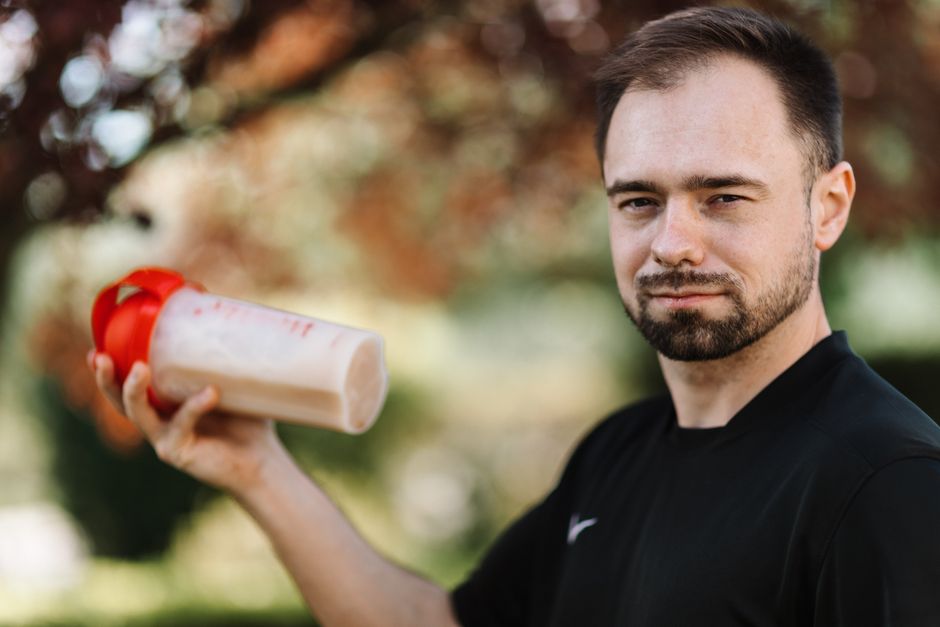
Protein shakes are often considered ultra-processed foods, but not all of them are created equal. The answer depends on the specific ingredients and how the product is manufactured. Most commercial protein powders and ready-to-drink shakes fall into the ultra-processed category under the NOVA food classification system, while a smaller number of minimally processed options exist.
What Makes a Food Ultra-Processed?
The term “ultra-processed” comes from a food classification system called NOVA. Researchers developed this system to group foods by how much industrial processing they go through, not by their nutrient content.
NOVA places foods into four groups. Group 1 is unprocessed or minimally processed food like whole fruits, vegetables, nuts, and meat. Group 2 includes processed culinary ingredients such as oil, butter, and sugar. Group 3 covers processed foods like canned vegetables and freshly baked bread. Group 4 is ultra-processed foods.
Ultra-processed foods are industrial formulations made mostly from substances extracted from foods. They often contain additives like preservatives, sweeteners, emulsifiers, and artificial colors. These products typically have long ingredient lists with items you would not find in a home kitchen.
Common examples include sodas, packaged snacks, instant noodles, and many breakfast cereals. The classification focuses on the presence of these industrial ingredients and processes, not on whether the food is “healthy” or “unhealthy” in a traditional sense.
Where Do Protein Shakes Fit in the NOVA System?
Most protein powders and ready-to-drink shakes qualify as ultra-processed foods under NOVA. The reason comes down to how they are made and what goes into them.
Protein isolates and concentrates are extracted from whole foods like milk, soy, peas, or eggs. This extraction process separates the protein from other components. The resulting powder is a food substance that has been significantly altered from its original form.
Manufacturers then add flavorings, sweeteners, thickeners, and preservatives to make the product taste good and have a stable shelf life. These added ingredients are typical markers of ultra-processing.
Whey protein powder, for example, starts as milk. The whey is separated, filtered, dried, and often flavored with artificial or natural additives. By the time it reaches your shaker bottle, it bears little resemblance to the original milk.
That said, the NOVA system is not a nutritional scorecard. It does not measure protein quality, vitamin content, or how well a food supports muscle recovery. A food can be ultra-processed and still serve a legitimate nutritional purpose.
Are All Protein Shakes Ultra-Processed?
Not all protein shakes receive the same classification. Some products are closer to Group 1 or Group 3, depending on their ingredients.
A protein shake made by blending whole foods at home — such as milk, Greek yogurt, peanut butter, and banana — is not ultra-processed. This is a homemade beverage made from recognizable whole ingredients.
Some commercial products also avoid the ultra-processed label. Single-ingredient protein powders with no added flavors, sweeteners, or preservatives may be considered minimally processed. These products contain only the isolated protein with nothing else added.
However, these minimally processed options are the exception rather than the rule. The vast majority of protein powders on store shelves include at least some additives for taste, texture, or shelf stability.
Read the ingredient list carefully if this distinction matters to you. A product with one or two ingredients is processed differently than one with fifteen ingredients including artificial sweeteners and gum blends.




Does Being Ultra-Processed Make Protein Shakes Bad?
Being ultra-processed does not automatically make a food harmful. The scientific evidence on ultra-processed foods and health outcomes is real, but the picture is more nuanced than a simple “avoid all processed foods” message.
Research consistently links high intake of ultra-processed foods with poorer health outcomes. Some large observational studies have found associations between ultra-processed food consumption and higher rates of obesity, cardiovascular disease, and type 2 diabetes.
However, these studies typically examine overall dietary patterns. People who eat large amounts of ultra-processed foods often have other dietary and lifestyle patterns that contribute to health risks. It is difficult to isolate the effect of processing itself from the effect of the overall diet.
The evidence is less clear on whether an ultra-processed food that is nutritionally beneficial — like a protein shake used by an athlete — carries the same risks as an ultra-processed food that is mostly sugar and refined starch.
Some researchers argue that the NOVA system is too broad. It groups a diet soda and a soy protein shake into the same category, even though their nutritional profiles are completely different. This limitation matters when you are making individual food choices.
How Protein Shakes Compare to Whole Food Protein Sources
Whole food protein sources like chicken breast, eggs, fish, and legumes are not ultra-processed. They provide protein along with other nutrients such as iron, zinc, B vitamins, and fiber depending on the source.
Protein shakes offer convenience that whole foods cannot match. They are portable, require no cooking, and deliver a precise amount of protein in a predictable serving. For someone who struggles to eat enough protein or needs quick recovery nutrition after a workout, this convenience has real value.
The research on protein timing and muscle synthesis does not show that shakes are superior to whole food protein. Studies indicate that the total daily protein intake matters more than the exact source or timing for most people.
Your body digests liquid protein faster than solid food protein. Whey protein, in particular, is rapidly absorbed. This speed can be useful around workouts but is not necessary for everyone.
For most healthy adults, a mix of whole food protein and protein shakes is reasonable. The shakes fill gaps when whole food is not practical. The whole foods provide nutrients that shakes typically lack.
What to Look For When Choosing a Protein Powder
If you decide to use protein powder, the ingredient list tells you the most about what you are buying. Look past the front label claims and check what is actually inside the container.
Protein powders vary widely in quality and composition. Some contain mostly protein with minimal additives. Others include significant amounts of added sugar, artificial sweeteners, fillers, and proprietary blends that hide exact amounts of each ingredient.
Third-party testing is worth checking. Some independent organizations test supplements for banned substances and verify that the product contains what the label claims. This testing is especially relevant for athletes subject to drug testing.
Whey and casein come from milk and contain all essential amino acids. Plant proteins like pea, soy, and rice can also provide complete protein when combined properly. Soy is a complete protein on its own. Pea and rice are often combined to cover each other’s amino acid gaps.
If you have a diagnosed condition that affects your kidneys or liver, talk to your doctor before adding protein supplements. High protein intake is generally safe for healthy people, but those with certain medical conditions need individualized guidance.
Practical Takeaways for Protein Shake Users
Protein shakes are a tool, not a necessity. They can help you meet protein needs that are hard to hit with food alone. They are not a replacement for a varied diet.
If you enjoy protein shakes and they help you reach your goals, there is no strong evidence that you need to stop using them because they are technically ultra-processed. The research does not support singling out protein shakes as uniquely harmful.
If you want to minimize ultra-processed foods in your diet, choose a protein powder with a short ingredient list. Look for products that contain only the protein source and perhaps a natural flavoring. Or make your own shakes at home with milk, yogurt, fruit, and nut butter.
Pay attention to how protein shakes fit into your overall eating pattern. A protein shake that displaces a meal of whole foods is different from one that supplements an already balanced diet. Context matters more than any single food item.
The bottom line: most commercial protein shakes are ultra-processed by definition, but this label alone does not tell you whether the product is right for you. Consider the full picture — your protein needs, your overall diet, and what the ingredient list actually contains.
Frequently Asked Questions
Are protein shakes considered junk food?
No, protein shakes are not typically classified as junk food because they provide substantial protein and other nutrients. However, some products contain high added sugar and low-quality fillers, so reading the label matters.
Is whey protein ultra-processed?
Yes, most whey protein powders are considered ultra-processed because the whey is extracted from milk and then combined with flavorings, sweeteners, and other additives. Unflavored whey protein isolate with no added ingredients may be classified differently.
Can I get the same benefits from whole food protein instead of shakes?
Yes, whole food protein sources like chicken, eggs, fish, and legumes provide the same muscle-building benefits as protein shakes for most people. Shakes mainly offer convenience when whole food is not practical or available.
