
Yes, brown rice contains protein. One cup of cooked brown rice provides about 5 grams of protein. That is not a huge amount on its own, but it is more than white rice delivers, and it adds up when brown rice is part of a meal that includes other protein sources.
Brown rice is a whole grain. The bran and germ layers are left intact, while white rice has had both removed during milling. Those layers hold most of the fiber, several vitamins and minerals, and a meaningful share of the grain’s protein. So when you swap white rice for brown, you are not just adding fiber — you are adding protein too.
How Much Protein Is in Brown Rice?
One cup of cooked brown rice contains roughly 5 grams of protein. That figure comes from standard USDA nutrient data for long-grain brown rice, cooked without added fat or salt.
Here is how brown rice compares with a few common grains and starches, all measured as one cup cooked:
| Food (1 cup cooked) | Protein | Fiber |
|---|---|---|
| Brown rice | ~5 g | ~3.5 g |
| White rice | ~4 g | ~0.6 g |
| Quinoa | ~8 g | ~5 g |
| Oats (cooked) | ~6 g | ~4 g |
| Whole wheat pasta | ~7 g | ~6 g |
The difference between brown and white rice is real but modest — about 1 gram of protein per cup. The bigger gap is in fiber, where brown rice has several times more.
One thing worth knowing: rice protein is not “complete” in the way animal proteins are. It is low in the amino acid lysine. That does not make it a poor food. It just means rice works best as part of a varied diet rather than as a primary protein source.
Is There Protein In Brown Rice — Yes, Here’s How Much Per Serving?
A single serving of brown rice is usually about one cup cooked, which gives you roughly 5 grams of protein. A half-cup serving gives you about 2.5 grams. A quarter-cup gives you a little over 1 gram.
Dry rice is a different story. One cup of uncooked brown rice weighs far more than one cup cooked, because cooking adds water. One cup of dry brown rice contains around 10 to 12 grams of protein — but that cup expands into roughly three cups of cooked rice, so the protein per plate stays the same.
This is a common point of confusion. People see a higher number on the dry package and assume the cooked food delivers it. It does not. The protein is simply spread across more volume once water is absorbed.
Does Brown Rice Have Enough Protein to Matter?
Five grams per cup is a real contribution, but it is not enough to anchor a meal’s protein needs by itself. For context, most adults need somewhere in the range of 0.8 grams of protein per kilogram of body weight per day, which for a 150-pound person works out to about 54 grams. Brown rice at 5 grams per cup covers a small fraction of that.
Where brown rice earns its place is as a supporting player. Pair it with beans, lentils, eggs, chicken, fish, tofu, or yogurt, and the total protein in the meal climbs quickly. Rice and beans together also fill in each other’s amino acid gaps — beans are low in methionine, rice is low in lysine, and together they form a more complete protein profile. This is a well-established nutritional principle, not a marketing claim.
For someone eating a plant-based diet, brown rice is a useful base grain. It is not a protein powerhouse, but it is a dependable carbohydrate source that carries a little protein along with it.

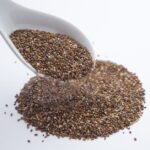
Brown Rice vs White Rice: What Changes With Milling?
Milling is what separates brown rice from white. The outer bran layer and the germ are stripped away to make white rice, and with them go most of the fiber, a large share of the B vitamins, some minerals, and part of the protein.
White rice is often enriched to add back some B vitamins and iron, but enrichment does not restore the fiber or the full nutrient profile. That is why brown rice tends to rank higher in nutrition comparisons, even though the protein difference is small.
The fiber gap is the more meaningful one. Brown rice has roughly 3.5 grams of fiber per cooked cup, compared with under 1 gram in white rice. Fiber supports digestion, feeds gut bacteria, and helps with blood sugar and cholesterol management. Those benefits are well documented.
How Does Brown Rice Fit Into a Higher-Protein Diet?
Brown rice will not carry a high-protein diet on its own, but it fits into one cleanly. The trick is to treat it as a base and build protein on top.
- Add a half-cup of black beans to a cup of brown rice for roughly 12 to 13 grams of protein total.
- Serve brown rice with 3 ounces of cooked chicken for about 26 grams of protein.
- Stir in a scrambled egg or two for an additional 12 to 14 grams.
- Combine with tofu, tempeh, or lentils for a plant-based boost.
These combinations are simple, and they reflect how most traditional diets already work. Rice rarely stands alone on a plate.
Does Cooking Brown Rice Affect Its Protein?
Cooking does not destroy the protein in brown rice. Heat can change protein structure, but it does not reduce the total amount in any meaningful way. The protein you start with in the dry grain is still there after cooking — it is just diluted by the water the grain absorbs.
What can affect the final protein count is how you cook it. If you rinse rice heavily and discard the water, you may lose a small amount of water-soluble nutrients, though the effect on protein is minor. Adding oil, butter, or broth does not change the protein content, but it does change calories and sodium.
One practical note: brown rice takes longer to cook than white rice, usually around 40 to 45 minutes, because the bran layer slows water absorption. That same bran layer is why brown rice holds its shape better and has a chewier texture.
Is Brown Rice a Good Protein Source for Everyone?
Brown rice is a safe, well-tolerated food for most people. It is naturally gluten-free, which makes it useful for anyone avoiding wheat, barley, and rye. It is also low in fat and contains no cholesterol.
There are a few situations worth noting. Brown rice contains phytic acid, a compound in the bran that can bind minerals like iron and zinc and reduce how much your body absorbs. This matters most for people whose diets are already low in those minerals. Soaking rice before cooking can reduce phytic acid somewhat, though the evidence on how much this helps in real diets is limited.
Rice, including brown rice, can also take up arsenic from soil and water. The levels in most rice sold in the US are considered safe for general consumption, but the FDA has advised that infants and young children not be given rice drinks in place of milk or formula. For adults eating rice as part of a varied diet, the risk is generally considered low. If rice makes up a large share of your daily calories, it is reasonable to rotate in other grains.
None of this makes brown rice a food to avoid. It makes it a food to eat as part of a varied diet — which is how most grains are best approached.
Frequently Asked Questions
How much protein is in one cup of cooked brown rice?
One cup of cooked brown rice contains about 5 grams of protein. That figure comes from standard USDA nutrient data for long-grain brown rice cooked without added fat or salt.
Does brown rice have more protein than white rice?
Yes, but only slightly — roughly 1 gram more per cooked cup. The larger difference between the two is fiber, where brown rice has several times more than white rice.
Is brown rice a complete protein?
No, brown rice is low in the amino acid lysine, so it is not a complete protein on its own. Pairing it with beans or other legumes fills in that gap and creates a more complete protein profile.
Can brown rice be a main protein source?
No, at about 5 grams per cup it is too low to serve as a primary protein source for most adults. It works best as a base grain that you build protein on top of with beans, eggs, meat, fish, or tofu.
