
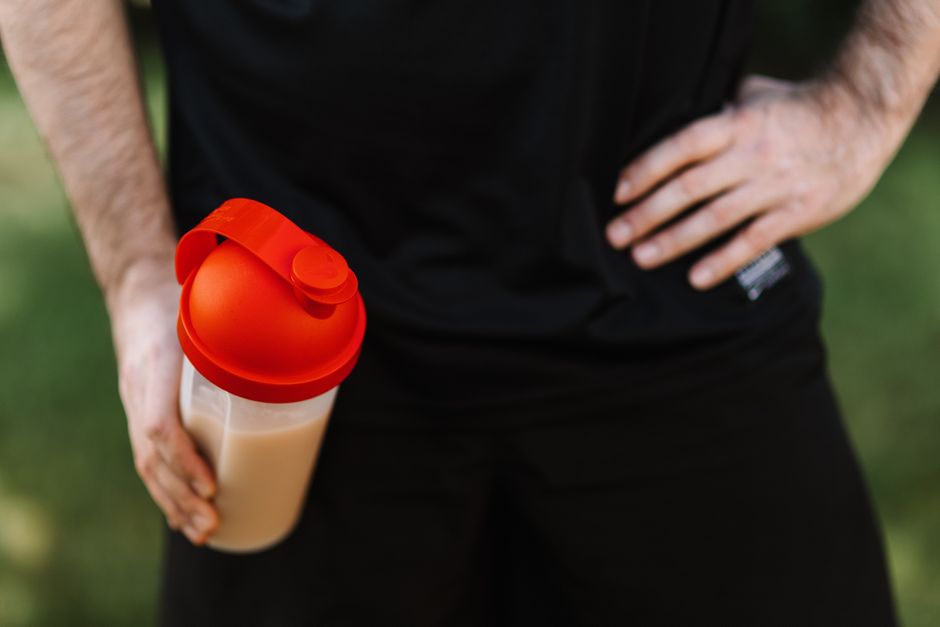
Protein is not a single number for everyone. Your daily need depends on your weight, activity level, age, and health goals. For most healthy adults, the standard recommendation is about 0.8 grams of protein per kilogram of body weight each day, which equals roughly 0.36 grams per pound. A 150-pound person needs about 54 grams daily. That is the baseline for avoiding deficiency. But many people benefit from more.
What Is the Standard Daily Protein Recommendation?
The Recommended Dietary Allowance, or RDA, for protein is 0.8 grams per kilogram of body weight. This is the amount needed to prevent deficiency in nearly all healthy adults. It is not an optimal amount for everyone. It is a minimum threshold.
To convert your weight to kilograms, divide your weight in pounds by 2.2. Multiply that number by 0.8. For example, a person weighing 175 pounds weighs about 79.5 kilograms. Multiply 79.5 by 0.8 and you get about 64 grams of protein per day.
The RDA was designed for sedentary individuals. It was never intended as a target for athletes, older adults, or people trying to build muscle. If you are active or over 60, your needs are likely higher.
How Much Protein Do You Need Each Day Based on Your Weight?
Body weight is the most reliable starting point for calculating protein needs. The standard formula gives you a baseline. But the more active you are, the more protein your body uses for repair and recovery.
Here is how protein targets break down by activity level using a common clinical framework:
| Activity Level | Grams per Kilogram per Day | Example: 150-lb Person (68 kg) |
|---|---|---|
| Sedentary adult (RDA) | 0.8 g/kg | 54 grams |
| Recreational exercise | 1.2–1.6 g/kg | 82–109 grams |
| Athlete or heavy training | 1.6–2.2 g/kg | 109–150 grams |
| Older adult (over 65) | 1.0–1.2 g/kg | 68–82 grams |
These ranges come from sports nutrition and geriatric research. The evidence for higher intake in athletes and older adults is consistent. The range for sedentary adults has not changed in decades.
Does Protein Type Matter or Just the Total Amount?
Total daily protein matters most. But the type of protein affects how well your body uses it. Animal proteins like meat, eggs, fish, and dairy contain all nine essential amino acids. Most plant proteins are missing one or more of these in sufficient amounts.
Your body cannot make essential amino acids. You must get them from food. Soy and quinoa are complete plant proteins. Beans, rice, nuts, and lentils are incomplete on their own but complement each other when eaten across the day.
You do not need to combine proteins at every meal. Eating a variety of protein sources throughout the day provides what your body needs. The idea that you must pair rice and beans at the same meal has been outdated for years.



How Much Protein Do You Need to Build Muscle?
Research consistently shows that people who strength train need more protein than sedentary adults. Studies in sports nutrition indicate a range of 1.6 to 2.2 grams per kilogram of body weight for those actively building muscle. This range appears to be the upper limit where additional protein stops adding measurable benefit.
Protein timing also matters. Evidence suggests that spreading protein intake across three to four meals is better than eating most of it in one sitting. A common clinical guideline is 20 to 40 grams of protein per meal for muscle building. This amount appears to maximize muscle protein synthesis in most people.
Eating more than 2.2 grams per kilogram does not appear to build additional muscle. The body has a ceiling for how much protein it can use for muscle growth. Excess protein is either oxidized for energy or stored as fat.
Do Protein Needs Increase as You Age?
Yes. Older adults need more protein than younger adults for the same body weight. Age-related muscle loss, called sarcopenia, begins around age 30 and accelerates after 60. Higher protein intake helps slow this process.
Research in geriatric nutrition suggests older adults benefit from 1.0 to 1.2 grams per kilogram daily. Some studies go as high as 1.5 grams per kilogram for frail older adults, though the evidence is less consistent at that level.
The body becomes less efficient at using dietary protein with age. This is called anabolic resistance. Older adults need more protein per meal to trigger the same muscle-building response that a younger person gets from less. Spreading protein across meals becomes especially important after 65.
What Are the Best High-Protein Foods?
High-quality protein sources deliver all essential amino acids efficiently. Animal sources are the most complete. Plant sources can work well when chosen carefully.
Common protein amounts in everyday foods:
- Chicken breast, 3 ounces cooked: about 26 grams
- Ground beef, 3 ounces cooked: about 22 grams
- Eggs, one large: about 6 grams
- Greek yogurt, 6 ounces: about 15–20 grams
- Cottage cheese, 1 cup: about 24 grams
- Tofu, 1/2 cup: about 10 grams
- Lentils, 1 cup cooked: about 18 grams
- Black beans, 1 cup cooked: about 15 grams
- Peanut butter, 2 tablespoons: about 7 grams
- Almonds, 1/4 cup: about 7 grams
These figures come from USDA food composition data. Cooking methods and brands can change exact numbers slightly.
Can You Eat Too Much Protein?
Healthy kidneys handle high protein intake without damage. The idea that protein harms kidneys comes from studies of people with existing kidney disease. For those with healthy kidneys, research has not found a harmful effect from high-protein diets.
That said, very high protein intake — above 2.5 grams per kilogram — is not well studied over long periods. No large human trials have confirmed safety at these levels for years at a time.
People with chronic kidney disease should follow their doctor’s advice on protein restriction. This is one situation where established medical guidance overrides general recommendations. If you have kidney disease, do not increase protein without talking to your healthcare provider.
What Counts as One Serving of Protein?
People often overestimate how much protein they eat. A serving of meat that looks small on a plate is usually larger than the standard 3-ounce portion. Three ounces is roughly the size of a deck of cards.
A practical way to estimate your intake is to aim for a palm-sized portion of animal protein at each meal. Add eggs, dairy, beans, or nuts as secondary sources. Most people who eat three meals with a palm-sized protein portion at each will meet or exceed the RDA.
Do Athletes Need Protein Powder or Supplements?
Protein powder is a supplement, not a requirement. Whole foods provide protein plus vitamins, minerals, and fiber that powders lack. Most people can meet their protein needs with food alone.
Powders become useful when convenience matters. Athletes who train multiple times daily, older adults with poor appetite, or people recovering from illness may struggle to eat enough whole-food protein. In these cases, a whey, casein, or plant-based powder can help fill the gap.
No study has confirmed that any particular protein supplement is superior to another for general health. Whey protein digests quickly. Casein digests slowly. Both effectively help people reach protein targets. Choose based on tolerance and preference, not marketing claims.
Should You Spread Protein Across the Day?
Your body does not store protein the way it stores fat or carbohydrates. There is no protein reserve waiting for later use. This means the protein you eat is used or lost. Eating protein at regular intervals helps maintain a steady supply of amino acids in your blood.
Research on muscle protein synthesis suggests that eating 20 to 40 grams of protein at each meal produces a better response than eating 10 grams at six meals or 80 grams at one meal. The body appears to have a per-meal ceiling for how much protein it can use for building.
This does not mean you must track every gram. A simple approach is to include a protein source at every meal. Breakfast is where most people fall short. A typical American breakfast of cereal or toast contains very little protein. Adding eggs, yogurt, or milk changes the daily total meaningfully.
How Do Vegetarians and Vegans Get Enough Protein?
Plant-based eaters can meet protein needs, but it requires more attention. Plant proteins are generally less digestible than animal proteins. The body absorbs a lower percentage of amino acids from plants.
Soy products are the most reliable plant protein source. Tofu, tempeh, and edamame provide complete protein comparable to animal sources. Seitan, made from wheat gluten, is also high in protein though it contains less lysine, an essential amino acid.
Beans, lentils, chickpeas, and peas are solid sources but incomplete on their own. Combining them with grains, nuts, or seeds across the day covers amino acid gaps. A vegan who eats a variety of plant proteins throughout the day typically gets enough without careful planning.
How Much Protein Do You Need Each Day to Lose Weight?
Higher protein intake supports weight loss through several mechanisms. Protein increases fullness more than carbohydrates or fat. It also preserves lean muscle mass during calorie restriction, which helps maintain metabolic rate.
Weight loss research often uses protein levels of 1.2 to 1.6 grams per kilogram of body weight. This is higher than the RDA but lower than typical bodybuilding recommendations. The evidence for this range during weight loss is consistent across multiple studies.
Protein during weight loss matters most when you are in a calorie deficit. Without adequate protein, a larger share of weight lost comes from muscle rather than fat. This is why protein targets often increase during a diet rather than staying the same.
What Happens If You Do Not Eat Enough Protein?
Protein deficiency is rare in developed countries, but marginal intake is not. Many older adults eat below the RDA without realizing it. Signs of low intake include muscle weakness, slow wound healing, thinning hair, and frequent illness.
Severe protein deficiency causes kwashiorkor, a condition marked by fluid retention and a swollen belly. This is almost exclusively seen in famine conditions. Most Americans are nowhere near this level.
The more common problem is eating protein unevenly. A person might eat 60 grams at dinner and only 10 grams across breakfast and lunch. This pattern provides less benefit than spreading protein more evenly, even when the daily total is the same.
Frequently Asked Questions
How many grams of protein do I need per day?
Multiply your weight in kilograms by 0.8 for the minimum daily amount. Active adults and those over 65 typically need 1.2 to 1.6 grams per kilogram.
Is 100 grams of protein a day too much?
No, 100 grams is within normal ranges for most adults weighing over 125 pounds. It exceeds the RDA but is consistent with levels recommended for active people and older adults.
Can I eat all my protein in one meal?
You can, but your body uses it less efficiently. Research suggests spreading protein across three or more meals supports better muscle maintenance than eating it all at once.
What is the best protein source?
Eggs, chicken, fish, dairy, and soy provide complete protein with all essential amino acids. The best source is one you eat regularly and tolerate well.
