
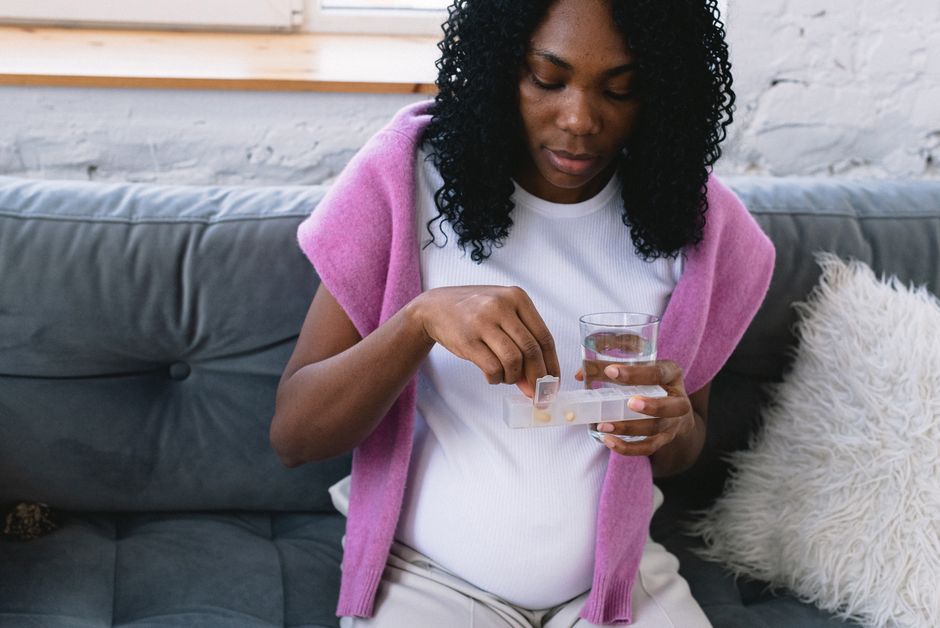
Phenytoin is not considered safe for routine use in pregnancy. Taking it during the first trimester is associated with an increased risk of birth defects, and the drug can also affect the developing baby in other ways. For most women with epilepsy who need seizure control, the question is not simply whether to stop the drug but how to weigh the risks of the medication against the risks of uncontrolled seizures.
This is a serious topic, and the right decisions are made with a neurologist and an obstetrician, not on your own. What follows is an honest look at what the evidence shows about phenytoin in pregnancy, what the known risks are, and what alternatives doctors typically consider.
Is Phenytoin Safe In Pregnancy Risks And Alternatives?
Phenytoin belongs to a group of older seizure medicines known as first-generation antiseizure drugs. It has been used for decades, so there is a large amount of human data on how it behaves in pregnancy. That data does not support the idea that it is safe.
Use of phenytoin during pregnancy is linked to an increased chance of major birth defects. This is not a theoretical concern based on animal studies. It comes from decades of human observation. The pattern of effects seen with phenytoin is similar in kind to what is seen with some other older seizure medicines, though the exact level of risk differs between drugs.
Because of this, most clinical guidance places phenytoin in the category of drugs to avoid in pregnancy when a safer effective option is available. That does not mean every pregnancy exposed to phenytoin will have a problem. Many do not. It means the odds of certain problems are higher than they would be without the drug.
The reason this matters so much is that pregnancy is often unplanned. A woman taking phenytoin may not know she is pregnant until several weeks in, which is exactly when the early structural development of the baby is happening.
What Birth Defects Are Linked To Phenytoin?
The best-documented effects involve the face, the heart, and the limbs. A cluster of features sometimes called fetal hydantoin syndrome has been described in babies exposed to phenytoin in the womb. Features reported include cleft lip or cleft palate, certain heart defects, and differences in the fingers and toes.
It is important to be precise here. Fetal hydantoin syndrome is not a single fixed condition that every exposed baby develops. It is a pattern of features that has been reported, and many exposed babies have none of them. Some researchers have debated how much of the pattern is caused by phenytoin itself versus other factors, including the mother’s epilepsy and genetics. That debate does not change the general conclusion that phenytoin carries added risk.
Beyond structural birth defects, there are longer-term concerns. Some studies suggest children exposed to phenytoin in the womb have a higher rate of learning and behavioral difficulties later in life. The evidence for these subtler effects is less consistent than the evidence for structural defects, so it is described with more caution.
There is also a known interaction with vitamin K. Phenytoin can affect the body’s use of vitamin K, which matters for blood clotting. Babies exposed to phenytoin near the time of birth may have a higher risk of bleeding problems. This is why clinicians often give vitamin K to the mother before delivery and to the newborn after birth. This is a well-established practice, not a fringe one.
Why Uncontrolled Seizures Are Also a Risk
Stopping seizure medicine suddenly is dangerous, and pregnancy does not make it less so. A generalized tonic-clonic seizure can cause injury from a fall, and prolonged or repeated seizures are a medical emergency for both the mother and the baby.
Seizures can reduce the flow of oxygen to the baby. They can also trigger stress responses in the mother’s body that are not good for a pregnancy. In rare cases, a severe seizure can lead to pregnancy complications.
This is the core tension. The drug carries risks. The condition it treats also carries risks. The goal of good care is not to eliminate one risk by creating a larger one. It is to find the treatment that keeps seizures controlled while exposing the baby to as little risk as possible.





What Are the Alternatives to Phenytoin in Pregnancy?
Several other antiseizure medicines are used in pregnancy, and the choice depends on the type of epilepsy, the woman’s history, and how well each drug controls her seizures. No antiseizure medicine has been proven completely free of risk in pregnancy. The aim is to use the option with the best balance of seizure control and safety for the specific person.
Some newer antiseizure medicines appear to have lower rates of major birth defects than older drugs like phenytoin. Lamotrigine and levetiracetam are among the medicines that have been studied more extensively in pregnancy, and current evidence generally places them among the lower-risk options for many women. This does not mean they are risk-free, and it does not mean they are right for everyone.
Valproate is a different story. It is one of the most effective drugs for certain seizure types, but it carries the highest known risk of birth defects and later developmental effects among the common antiseizure medicines. For this reason, clinical guidance strongly discourages its use in pregnancy when other options can control seizures.
The right choice is not a general one. It is made case by case. A woman who has been seizure-free for years on one drug faces a different set of options than a woman with hard-to-control epilepsy.
Can You Just Switch or Stop Medication?
You should never stop or switch seizure medicine on your own. This is one of the clearest points in all of epilepsy care. Sudden changes can trigger seizures, and a seizure during pregnancy can harm both mother and baby.
If you are taking phenytoin and are pregnant or planning a pregnancy, the right step is to contact your neurologist promptly. The conversation should cover the type of epilepsy you have, how well controlled it has been, and whether a change is safer than staying the course. Sometimes a change is recommended. Sometimes staying on the current drug at the lowest effective dose is the better choice.
Planning ahead makes a real difference. When a pregnancy is planned, a doctor can adjust medication before conception, which is when many of the early developmental steps occur. This is why anyone with epilepsy who might become pregnant should talk with their care team before trying to conceive.
What About Folic Acid and Vitamin K?
Folic acid is recommended for essentially all women who could become pregnant, and it is especially emphasized for women taking antiseizure medicines. The evidence that higher-dose folic acid prevents birth defects specifically in women on these drugs is not as strong as many people assume, but the general recommendation to take folic acid before and during early pregnancy is well established.
Vitamin K is handled differently. Because phenytoin can affect clotting, clinicians often give vitamin K to the mother in the weeks before delivery and to the newborn at birth. This is standard practice aimed at preventing bleeding problems in the baby.
These measures reduce some risks. They do not remove the added risk of birth defects from phenytoin itself.
What Should You Do If You Take Phenytoin?
If you take phenytoin and you are pregnant, or you might become pregnant, talk to your neurologist and obstetrician as soon as possible. Do not make changes on your own.
Bring your questions. Ask about the specific risks for your situation, whether a different medicine might control your seizures as well, and what monitoring is recommended during pregnancy. Ask about folic acid and vitamin K. Ask what to do if you miss a dose or have a seizure.
Good care in this situation is a partnership. The best outcomes tend to come from careful planning, close monitoring, and decisions made with a team that understands both epilepsy and pregnancy.
Frequently Asked Questions
Is phenytoin safe to take during pregnancy?
No, phenytoin is not considered safe for routine use in pregnancy because it increases the risk of birth defects. It is sometimes continued when the risks of switching or stopping outweigh the risks of the drug for a specific woman.
What birth defects are associated with phenytoin?
Reported effects include cleft lip or palate, certain heart defects, and differences in the fingers and toes, sometimes grouped as fetal hydantoin syndrome. Not every exposed baby develops these features.
Can I just stop taking phenytoin if I am pregnant?
You should not stop seizure medicine on your own because sudden changes can trigger seizures that harm both you and the baby. Any change should be made with your neurologist.
What are safer alternatives to phenytoin in pregnancy?
Some newer antiseizure medicines, including lamotrigine and levetiracetam, appear to have lower rates of major birth defects in pregnancy studies. The right choice depends on your seizure type and history and should be decided with your care team.
