
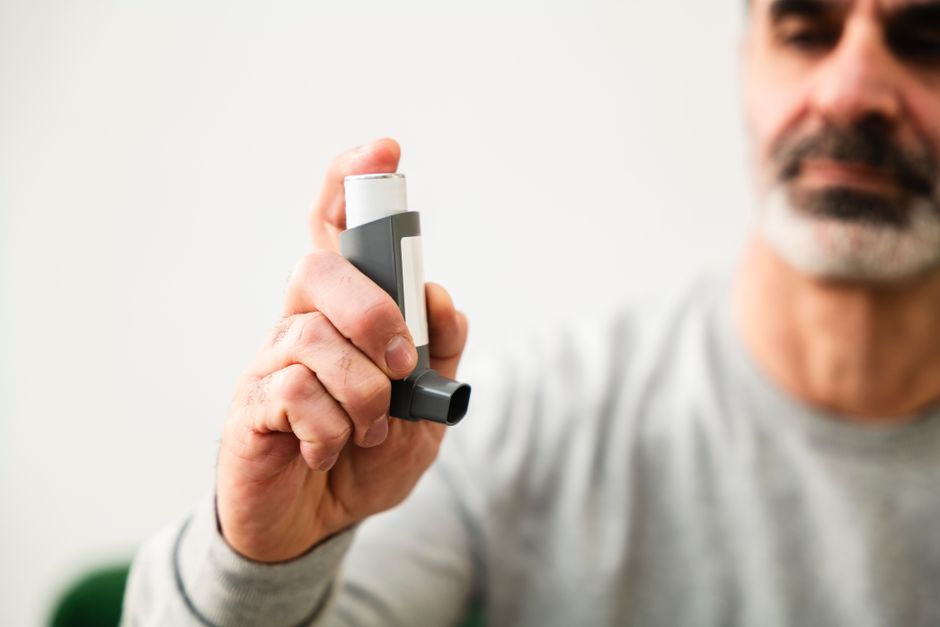
Asthma is the most common chronic lung condition in children, and it often starts early in life. While there is no guaranteed way to prevent it, the evidence is clear that certain steps during pregnancy, infancy, and childhood can meaningfully lower the risk. The most effective strategies include avoiding smoking during pregnancy, planning a vaginal birth when possible, breastfeeding when you can, and managing indoor allergens early. These actions do not promise immunity, but they target the known biological pathways that lead to the disease.
Can Asthma Be Prevented Before Birth?
The fetal environment shapes the developing immune system and lungs. This means prevention starts during pregnancy, not after a child is born. The single most important factor is maternal smoking. Smoking during pregnancy damages fetal lung growth and is one of the strongest known risk factors for wheezing and asthma in childhood. If you smoke, stopping as early as possible in pregnancy is the most powerful preventive step available. No other intervention comes close to matching its impact.
Avoiding secondhand smoke is equally important. A pregnant woman who does not smoke but lives with a smoker still exposes the fetus to harmful compounds. Household smoking bans should be in place before the baby arrives.
Beyond smoking, the evidence on dietary changes during pregnancy is mixed. Some studies suggest that vitamin D supplementation during pregnancy may reduce the risk of wheezing in early childhood, but the results are not consistent enough to make a firm universal recommendation. Eating a balanced diet is sensible for general health, but no specific diet has been proven to prevent asthma.
Does the Birth Method Influence Asthma Risk?
The way a baby is born affects the bacteria that first colonize the gut and skin. These microbes train the immune system to distinguish harmless substances from threats. When that training goes wrong, allergic conditions like asthma can develop.
Vaginal birth exposes the baby to the mother’s vaginal and fecal bacteria. Cesarean section bypasses this exposure. Research consistently shows that children born by C-section have a modestly higher risk of asthma compared to those born vaginally. The increase is not huge, but it is real and appears to persist into childhood.
This does not mean you should avoid a medically necessary C-section. A surgical birth can be life-saving for mother or baby. But if a C-section is planned without a clear medical reason, it is worth discussing the asthma risk with your obstetrician. The decision should be based on the full picture, not on one risk factor alone.
What Role Does Breastfeeding Play?
Breastfeeding is one of the most studied factors in asthma prevention. The evidence supports a protective effect, though the strength of that effect is debated. Breast milk provides antibodies, immune cells, and prebiotics that help the infant’s immune system mature. It also delivers a steady supply of beneficial bacteria to the gut.
The strongest protection appears to be for early wheezing in the first few years of life. Whether breastfeeding prevents the development of actual asthma — the chronic airway inflammation that persists — is less certain. Some large studies show a reduced risk of asthma diagnosis in breastfed children. Others show no long-term difference once other factors are accounted for.
The current clinical direction is clear: exclusive breastfeeding for the first 4 to 6 months is recommended for general infant health. If it also reduces asthma risk, that is a bonus. But do not blame yourself if breastfeeding is not possible. Formula-fed infants are not doomed to develop asthma, and many breastfed infants develop it anyway.



How Do Allergens and the Home Environment Matter?
The home environment during infancy can influence whether a child with a genetic tendency toward allergy actually develops asthma. This area of research is complex, and the findings have shifted over time.
Early exposure to certain allergens, such as dust mites, was once thought to be a primary trigger for sensitization. More recent research suggests the picture is more nuanced. Some studies indicate that early exposure to pets, particularly dogs, may reduce allergy risk. Others show no effect or even increased risk in certain groups. The evidence does not support either getting rid of a pet or getting a new one to prevent asthma.
What is clearer is the role of indoor air quality. Exposure to mold, dampness, and high levels of indoor pollutants is consistently associated with increased wheezing and asthma symptoms in children. Fixing leaks, controlling humidity, and ensuring adequate ventilation are reasonable preventive measures that carry no downside.
Dust mite avoidance is a common clinical recommendation, but the evidence that it prevents asthma is weak. Some trials have shown that rigorous allergen reduction measures, such as special mattress covers and regular washing, do not reduce the development of asthma in high-risk infants. These measures can still help children who already have allergies, but do not expect them to prevent the disease from starting.
Does Early Childhood Infection Protect Against Asthma?
The hygiene hypothesis suggests that early exposure to microbes trains the immune system to respond appropriately. Children who attend daycare, have older siblings, or grow up on farms tend to have lower rates of asthma. This pattern is well documented.
The mechanism involves the development of regulatory immune cells. When the immune system encounters a variety of microbes early in life, it learns not to overreact to harmless substances like pollen or dust. Without that early training, the immune system may mount an allergic response instead.
This does not mean you should deliberately expose your child to serious infections. But it does mean that ordinary childhood colds and the microbial exposure that comes with normal life are not necessarily bad. The common practice of keeping infants in sterile environments may not be protective and could even be counterproductive.
What About Vitamin D and Other Supplements?
Vitamin D has received substantial attention in asthma research. Low vitamin D levels during pregnancy have been associated with a higher risk of wheezing in offspring. Some randomized trials have tested whether vitamin D supplementation during pregnancy reduces this risk. The results have been mixed but slightly encouraging.
One large trial found that high-dose vitamin D supplementation during pregnancy reduced the rate of wheezing in the first three years of life. However, the effect did not clearly extend to a confirmed asthma diagnosis at later ages. The current evidence does not support routine high-dose vitamin D supplementation for all pregnant women to prevent asthma. Standard prenatal vitamin D doses are appropriate for bone health, but the asthma question remains open.
Fish oil and omega-3 fatty acids have also been studied. Some research suggests that fish oil supplementation in late pregnancy may reduce the risk of wheezing in early childhood, particularly in women with low baseline omega-3 levels. Again, the evidence is not strong enough for a universal recommendation. If you eat a diet rich in fatty fish, you are already getting these nutrients. Supplements are not clearly necessary for asthma prevention.
Can Childhood Asthma Be Prevented Once Symptoms Appear?
Once a child starts wheezing, the question shifts from prevention to management. Not every wheezing infant will develop asthma. Many children wheeze with viral infections and outgrow it by school age. Distinguishing transient viral wheeze from early asthma is a clinical challenge.
Early treatment of wheezing does not appear to alter the long-term course of the disease. Medications like inhaled corticosteroids control symptoms but do not change whether asthma persists. This is an important point: treating symptoms well is not the same as preventing the disease.
What matters most in childhood is avoiding triggers that cause attacks. This includes tobacco smoke, which is the most avoidable trigger in a child’s environment. Children with asthma who live with smokers have more frequent symptoms, more emergency visits, and worse lung function over time. Keeping a child with asthma away from smoke is the single most effective management step a parent can take.
Frequently Asked Questions
Can asthma be prevented during pregnancy?
No method guarantees prevention, but avoiding smoking and secondhand smoke during pregnancy is the most effective known step. Vaginal delivery and breastfeeding may also modestly reduce risk.
Does breastfeeding prevent asthma in children?
Breastfeeding is associated with a lower risk of early wheezing, but the evidence for preventing long-term asthma is mixed. It remains recommended for general infant health regardless of asthma outcomes.
Does having a pet reduce a child’s asthma risk?
The evidence is inconsistent. Some studies show early dog exposure may reduce allergy risk, while others show no effect. Do not get or rehome a pet solely for asthma prevention.
Can vitamin D during pregnancy prevent childhood asthma?
Some trials show a reduction in early wheezing with high-dose vitamin D, but the effect on confirmed asthma is not established. Standard prenatal doses are appropriate; high doses are not routinely recommended.
