
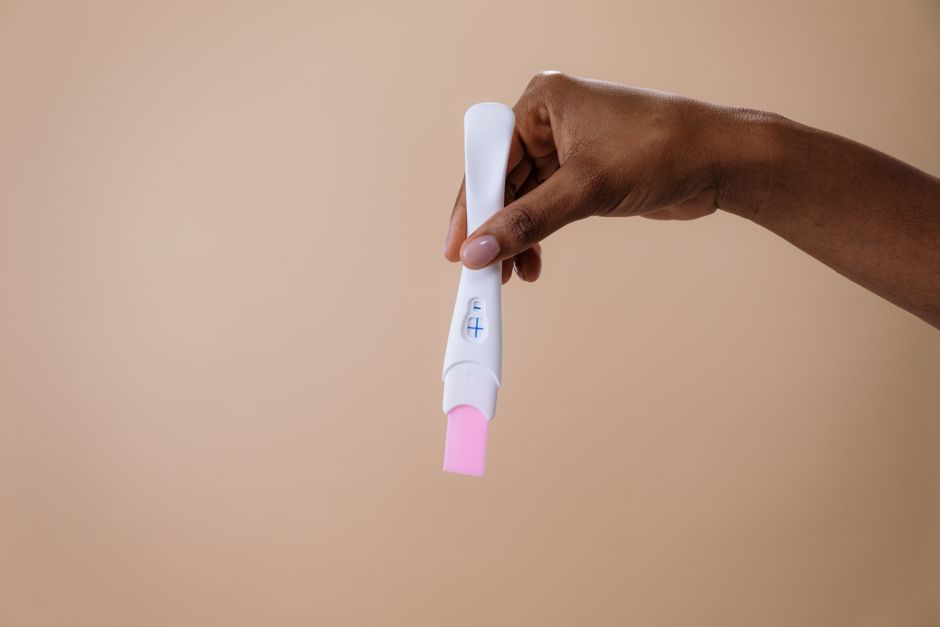
You took the test at the first sign of a missed period, and the result was negative. But your period still hasn’t shown up. Or maybe you saw a faint line and now you are questioning if it was real. The reliability of a pregnancy test comes down to timing, the sensitivity of the test, and how strictly you follow the instructions. A pregnancy test is considered highly accurate—around 99%—when used correctly, but that accuracy depends entirely on testing at the right time. For the most dependable result, you should test on the first day of your missed period, or about 14 days after ovulation. If you test too early, your body may not have produced enough of the pregnancy hormone hCG for the test to detect, resulting in a false negative.
How Do Pregnancy Tests Actually Work?
Pregnancy tests detect a hormone called human chorionic gonadotropin (hCG). This hormone is produced by cells that form the placenta shortly after a fertilized egg attaches to the uterine lining. This process is called implantation, and it typically happens about 6 to 10 days after ovulation. Once implantation occurs, hCG levels rise rapidly, doubling roughly every 48 to 72 hours in early pregnancy.
Urine pregnancy tests work by using antibodies that bind to hCG. When the hormone is present in your urine, it triggers a chemical reaction that produces a visible line or a digital reading. The amount of hCG needed to trigger a positive result varies by brand. Some tests are labeled as “early detection” and can pick up lower levels of the hormone, but this increased sensitivity also means a higher chance of a false negative if you test before implantation has even occurred.
When Is the Best Time to Take a Pregnancy Test?
The most reliable time to take a pregnancy test is on the first day of your missed period. For a woman with a regular 28-day cycle, that is roughly 14 days after ovulation. At this point, if you are pregnant, your hCG levels are usually high enough for any standard urine test to detect them.
Testing earlier than this increases the risk of a false negative. If you test at 10 days past ovulation, for example, you may have low hCG levels that are not yet detectable. Some sensitive tests claim to detect pregnancy up to six days before your missed period, but the accuracy at that point is significantly lower. Research has shown that while some tests can detect hCG early, the reliability of a negative result before your missed period is not guaranteed. If you test early and get a negative result, it does not mean you are not pregnant. It simply means the test could not detect the hormone at that moment.
When Are Pregnancy Tests Reliable Enough to Trust?
A positive result on a pregnancy test is almost always correct. False positives are extremely rare. They can occur if you have recently taken fertility medications containing hCG, or in very rare cases, with certain medical conditions that produce hCG. If you get a positive result, even a faint one, it is highly likely you are pregnant.
A negative result is less definitive, especially early on. The accuracy of a negative result depends on when you test. If you test on the day of your missed period and get a negative result, it is about 99% accurate. If you test earlier than that, the negative result may not be reliable. If your period does not start within a few days of a negative test, it is recommended to take another test. Waiting another 48 to 72 hours allows your hCG levels to rise if you are pregnant, making a second test much more conclusive.





How Early Can a Pregnancy Test Detect hCG?
The earliest a pregnancy test can detect hCG is about 8 to 10 days after ovulation. This is when implantation has typically occurred, and the hormone begins entering your bloodstream and urine. However, detecting hCG this early requires a highly sensitive test. Most standard tests are designed to detect hCG levels of 25 mIU/mL or higher. Early detection tests may detect levels as low as 10 mIU/mL. The lower the threshold, the earlier the test can potentially turn positive, but it also means the timing of implantation is critical.
If implantation happens later—say at 12 days past ovulation—your hCG levels will be lower on the day of your expected period than if implantation occurred at 8 days. This variability means that even with a sensitive test, a negative result before your missed period is not a guarantee that you are not pregnant.
Why Did I Get a Negative Test But No Period?
There are several reasons why you might have a negative test and no period. The most common reason is that you tested too early. Your ovulation date may have been later than you thought, which means your period is not actually late yet. Ovulation can be delayed by stress, illness, travel, or significant changes in sleep and exercise patterns.
Another possibility is that you are pregnant, but your hCG levels are still too low to be detected. This is more likely if you have irregular cycles or if you miscalculated your expected period date. If you get a negative test and your period is more than a week late, it is worth taking another test or contacting your healthcare provider. A blood test performed by a doctor can detect hCG earlier and at lower levels than a urine test, providing a more definitive answer.
Tips for Getting the Most Accurate Result
How you take the test matters as much as when you take it. For the most accurate result, take the test first thing in the morning. Your urine is most concentrated after a night of sleep, which means hCG levels are higher and easier to detect. If you test later in the day, your urine may be diluted, especially if you have been drinking fluids. If you must test later in the day, try to hold your urine for at least four hours beforehand to allow hCG to build up.
Always check the expiration date on the test. An expired test can produce inaccurate results. Follow the instructions exactly as written. This means paying attention to how long you hold the test in your urine stream or how many drops you use, and reading the result within the specified time window. Reading a test after the recommended time has passed can lead to a false positive from an evaporation line, which can look like a faint positive result but is not a true indicator of pregnancy.
Faint Lines and Evaporation Lines
A faint positive line can be confusing. If the line appears within the reading window specified in the instructions, it is a positive result. The intensity of the line does not necessarily correlate with the level of hCG in your urine; it simply indicates the presence of the hormone. A faint line early in pregnancy can become darker over the next few days as hCG levels rise.
An evaporation line is different. This is a colorless or grey line that can appear if you leave the test out for too long after the recommended reading time. It happens as the urine dries on the test strip. To avoid confusion, only read the test within the time frame stated in the instructions—usually 3 to 5 minutes. If you see a line after that window, it is not a reliable indicator of pregnancy.
Frequently Asked Questions
Can a pregnancy test be negative and still be pregnant?
Yes, especially if you test before your missed period or early in the day when urine is diluted. Your hCG levels may simply be too low for the test to detect yet.
How many days after a missed period is a pregnancy test accurate?
A test taken on the first day of your missed period is about 99% accurate. Testing a few days after your missed period increases the reliability of a negative result even further.
Is a faint line on a pregnancy test a positive result?
A faint line that appears within the test’s recommended reading window is a positive result. It indicates the presence of hCG, even if the levels are still low.
When is the best time of day to take a pregnancy test?
First thing in the morning is the most reliable time because your urine is most concentrated, making it easier to detect hCG if it is present.
