
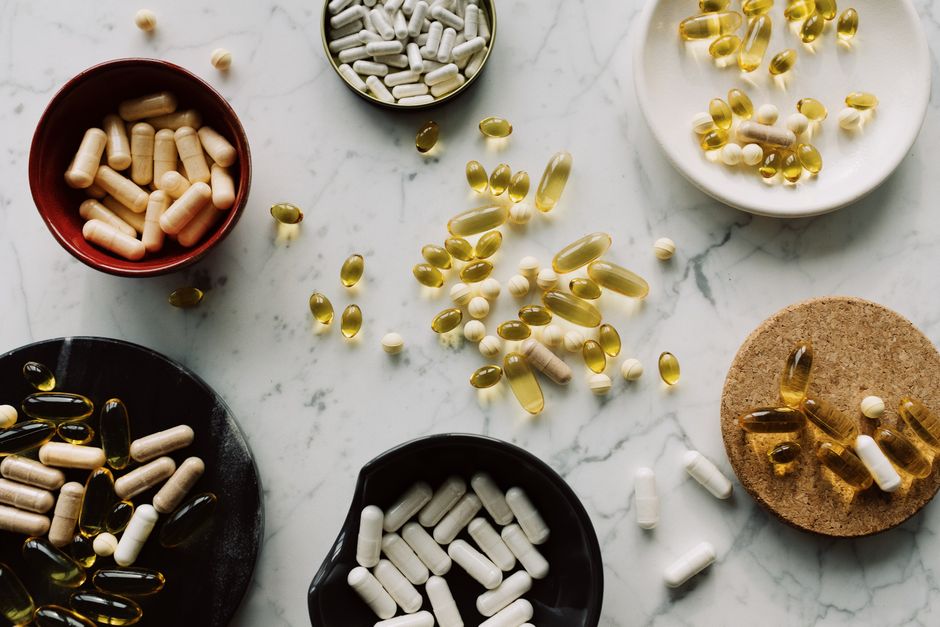
PB8 is a probiotic supplement that has been sold in the United States for decades, most often in capsule form, with a label that lists multiple Lactobacillus and Bifidobacterium species. Whether it is “good” depends entirely on what you expect it to do. For general digestive wellness in a healthy adult, it is a reasonable over-the-counter option with a long safety record. For treating a specific diagnosed condition, the evidence is much thinner than the marketing suggests.
What Is PB8 And What Is Actually In It?
PB8 is a brand of probiotic capsules. The “8” refers to the number of bacterial strains the manufacturer lists on the label. These typically include several Lactobacillus species, such as L. acidophilus, and several Bifidobacterium species.
The product has been on the market since the 1990s and is often marketed for digestive support, immune health, and general gut balance. Those are broad claims. They are also the kind of claims that are easy to make and hard to prove.
One important detail: in the US, probiotics are regulated as dietary supplements, not drugs. That means the manufacturer does not have to prove the product works before selling it. The FDA can act after the fact if a product is unsafe or mislabeled, but there is no pre-market approval for effectiveness. This is true for PB8 and for essentially every other probiotic on the shelf.
What Does The Evidence Say About Probiotics Like PB8?
Probiotics as a category have real evidence behind them in some specific situations. The strongest data involves certain strains used for antibiotic-associated diarrhea, some types of infectious diarrhea in children, and a few other narrow conditions. That evidence is strain-specific and often dose-specific. It does not automatically transfer to a different product with a different blend.
This is the central problem with PB8 and similar multi-strain products. A study showing that Lactobacillus rhamnosus GG reduces antibiotic-associated diarrhea tells you something about that exact strain. It does not tell you that a capsule containing eight different organisms will do the same thing.
For general gut health in people without a diagnosed condition, the evidence is weaker. Some studies suggest modest benefits for bloating or irregularity. Others show no difference from placebo. Results vary widely, and the field has a well-documented problem with small studies and inconsistent methods.
The honest summary: probiotics are not one thing. They are dozens of strains with different effects. Treating them as interchangeable is a mistake that both marketers and some clinicians make.
Is Pb8 A Good Probiotic? Pros Cons Verdict
The verdict depends on your goal. For a healthy adult who wants a low-cost, widely available probiotic and is not expecting a medical treatment, PB8 is a defensible choice. For someone trying to address a specific diagnosed condition, it is not the product the evidence supports.
Here is the breakdown:
- Pros: Long market history, generally well tolerated, widely available without a prescription, relatively inexpensive compared to specialty probiotics.
- Cons: Multi-strain blends make it hard to match to any specific evidence base, CFU counts can vary, and the label does not guarantee what survives to the colon.
- Verdict: A reasonable general-purpose option with limited specific evidence. Not a treatment for any diagnosed condition.
Two things matter more than the brand name. First, the CFU count — colony-forming units, the measure of live bacteria. Second, whether the specific strains have been studied for your specific concern. PB8 does not clearly answer the second question.





What Are The Potential Downsides Of Taking PB8?
For most healthy adults, probiotics are well tolerated. The most common side effects are mild and short-lived: gas, bloating, and changes in stool patterns during the first days of use.
More serious risks exist but are rare. People with severely compromised immune systems, central venous catheters, or critical illness have developed infections from probiotic organisms. This is uncommon but documented. If you are immunocompromised, have a serious underlying illness, or are hospitalized, talk to your doctor before starting any probiotic.
There is also the issue of product quality. Independent testing of probiotic supplements has repeatedly found that some products contain fewer live organisms than the label claims, or contain different strains than listed. This is not unique to PB8, but it applies to the category.
Does PB8 Help With Specific Conditions?
No strong evidence supports PB8 specifically for any diagnosed condition. That is not a criticism of the product so much as a limitation of how probiotic research works. Studies test specific strains, not brands.
If you have a specific concern, the more useful question is which strain has been studied for it. For example:
- Antibiotic-associated diarrhea: certain Saccharomyces boulardii and Lactobacillus rhamnosus GG strains have the most consistent data.
- IBS: evidence is mixed. Some strains show modest symptom improvement in some patients; others show none.
- General immune support: claims here are broad and the evidence is weak.
If your doctor recommends a probiotic for a specific reason, ask which strain and why. That question is more useful than asking which brand.
How Does PB8 Compare To Other Probiotics?
PB8 sits in the middle of the market. It is not a specialty single-strain product with a deep research base, and it is not the cheapest option either. It competes mostly on brand recognition and availability.
| Feature | PB8 | Single-strain clinical probiotics | Refrigerated specialty blends |
|---|---|---|---|
| Strains | Multiple Lactobacillus and Bifidobacterium | One studied strain | Varies, often 10+ |
| Evidence for specific conditions | Limited | Strongest for certain conditions | Varies by brand |
| Cost | Moderate | Varies | Often higher |
| Availability | Widely available | Often online or pharmacy | Often requires refrigeration |
The takeaway is not that PB8 is worse. It is that “probiotic” is a category, not a treatment. Matching the product to the goal is what matters.
Who Should Not Take PB8?
People who are immunocompromised, have a central line, are critically ill, or are recovering from certain types of surgery should not start probiotics without medical guidance. This applies to PB8 and to probiotics generally.
People with a history of severe allergic reactions to any ingredient in the capsule should check the label carefully. Some probiotic products contain allergens like dairy or soy.
For everyone else, the risk of serious harm from a standard probiotic is low. That is not the same as saying it will help. Low risk and proven benefit are two different things.
Should You Take PB8?
That is a personal decision, ideally made with a doctor or dietitian who knows your history. If you are generally healthy and curious about probiotics, PB8 is a reasonable starting point. If you have a specific digestive complaint or a diagnosed condition, the more useful path is to identify which strain has evidence for that condition and choose a product that contains it.
Probiotics are not a fix for a poor diet. They are not a substitute for medical care. They are one tool among many, and their effects are modest for most people. The marketing rarely reflects that.
Frequently Asked Questions
Is PB8 a good probiotic?
PB8 is a reasonable general-purpose probiotic for healthy adults, but it lacks strong evidence for any specific medical condition. It is not a treatment for diagnosed digestive disorders.
What are the side effects of PB8?
Most people experience mild gas or bloating during the first few days. Serious infections from probiotics are rare but have been documented in people with severely weakened immune systems.
Does PB8 actually work?
For general digestive wellness, some users report benefits, but the evidence for multi-strain products like PB8 is mixed. For specific conditions, the evidence favors certain single strains instead.
Can I take PB8 every day?
Many people take probiotics daily without issue, but there is no established guideline for long-term daily use of any specific brand. Talk to your doctor if you plan to take it regularly.
