
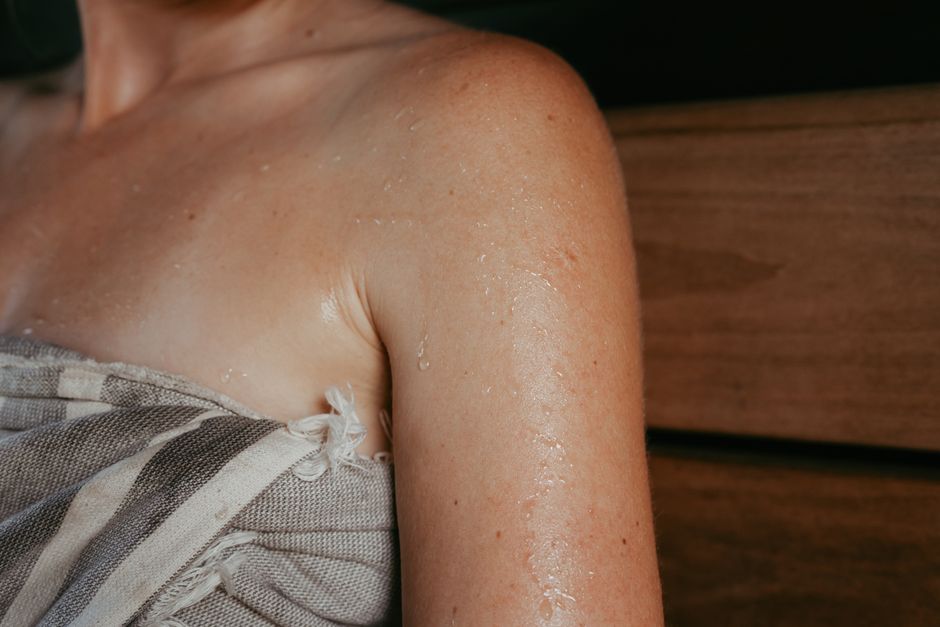
Waking up drenched in sweat is unsettling, but it is also surprisingly common. Night sweats are not the same as simply feeling too warm under a heavy blanket. They are episodes of drenching perspiration that soak through your clothes and sheets, often forcing you to change or get up. The causes range from your bedroom environment and hormones to infections and, rarely, more serious underlying conditions. Understanding why your body is overheating at night is the first step toward fixing the problem and knowing when those sweats deserve a doctor’s attention.
What Exactly Counts as Night Sweats?
Doctors make a clear distinction between sleeping warm and having true night sweats. If you wake up slightly damp because your room is stuffy or your comforter is too thick, that is not a medical concern. True night sweats are severe enough to soak your sleepwear and bedding. They happen repeatedly, and they are not explained by your immediate environment.
This distinction matters because it changes how you should think about the symptom. Occasional overheating is a thermostat issue. Recurrent drenching sweats are a signal from your body that something else is going on. Keep a simple log for a week. Note the room temperature, your bedding, and whether the sweating happened despite a cool environment. That record will be useful if you decide to see a doctor.
Why Do I Sweat In My Sleep Common Causes When To Worry?
Your body sweats to release heat. During sleep, your internal thermostat should drop slightly. When something disrupts that cooling process, your brain signals your sweat glands to work overtime. The most common reasons fall into a few clear categories: hormones, infections, medications, and blood sugar changes.
Hormonal shifts are among the most frequent triggers. For women, the drop in estrogen during perimenopause and menopause directly affects the hypothalamus, the brain region that regulates body temperature. This can cause hot flashes during the day and night sweats at night. Men also experience hormonal night sweats, particularly with a significant drop in testosterone, though this is less common than menopausal sweating.
Infections are another leading cause. Your body raises its temperature to fight off pathogens. When a fever breaks, you sweat to release that heat. Even a mild viral illness can cause noticeable night sweating for a few nights. Some bacterial infections, like tuberculosis, are classically associated with night sweats, but in the United States this is far less common than a routine respiratory infection.
Blood sugar swings are frequently overlooked. If your blood sugar drops too low overnight, a condition called nocturnal hypoglycemia, your body releases adrenaline to correct it. Adrenaline causes sweating, rapid heartbeat, and sometimes vivid dreams or morning headaches. This is especially relevant for people with diabetes who take insulin or certain oral medications.
Medications and Substances That Trigger Night Sweats
Many prescription drugs list night sweats as a side effect. Antidepressants are a common culprit, particularly selective serotonin reuptake inhibitors (SSRIs) and serotonin-norepinephrine reuptake inhibitors (SNRIs). These medications can affect your body’s temperature regulation centers. Hormone therapy, steroids, and some blood pressure medications can also cause sweating.
Fever-reducing medications like acetaminophen and ibuprofen can paradoxically cause sweating when the fever breaks. If you take these before bed while fighting an infection, you may wake up drenched as your temperature normalizes. This is not dangerous, but it can be alarming if you do not expect it.
Substance use matters too. Alcohol is a well-known trigger. It dilates blood vessels near the skin, increases heart rate, and disrupts your sleep architecture. A nightcap may help you fall asleep, but it often leads to broken, sweaty sleep a few hours later. Caffeine close to bedtime can have similar effects by keeping your nervous system stimulated.





When Night Sweats Signal Something More Serious
Most night sweats are benign and temporary. But they can be a symptom of more serious conditions, and you should not dismiss persistent episodes. The key is to look at the full picture rather than focusing on sweating alone.
Unexplained weight loss, persistent fever, extreme fatigue, or swollen lymph nodes combined with night sweats warrant prompt medical evaluation. These symptoms together can indicate lymphoma or other cancers. This is rare, and you should not panic, but you should not ignore it either. Night sweats alone, without other symptoms, are far less concerning.
Sleep apnea is another condition linked to night sweats. When your breathing repeatedly stops during sleep, your body experiences stress responses that can trigger sweating. If you snore loudly, wake up gasping, or feel exhausted despite a full night in bed, sleep apnea may be the underlying issue.
An overactive thyroid, or hyperthyroidism, speeds up your metabolism and can cause excessive sweating at any time. Other signs include rapid heartbeat, unintentional weight loss, and feeling anxious or jittery. A simple blood test can check your thyroid hormone levels.
What You Can Do About Night Sweats Tonight
Start with the variables you control. Lower your bedroom temperature to around 65 degrees Fahrenheit. Use moisture-wicking bedding made from cotton or specialized athletic fabrics that pull sweat away from your skin. Dress in light layers rather than heavy pajamas, so you can remove a layer without fully waking up.
Watch what you consume in the evening. Avoid alcohol, spicy foods, and caffeine in the hours before bed. Spicy foods can raise your core body temperature. Alcohol disrupts sleep and increases sweating. If you take medication that causes sweating, do not stop it without talking to your doctor. Instead, ask if there are alternatives or if adjusting the timing helps.
For women in perimenopause, some find relief with lifestyle measures like layered clothing and a cool bedroom. Hormone therapy is an option, but it carries risks and benefits that you should discuss with a healthcare provider. Over-the-counter supplements marketed for menopause symptoms have limited evidence behind them, so approach those claims with skepticism.
When to See a Doctor About Night Sweats
You do not need to see a doctor after one or two sweaty nights. But you should make an appointment if the sweating persists for several weeks without an obvious explanation. You should also seek care sooner if the night sweats are accompanied by fever, unexplained weight loss, or localized pain.
If you have diabetes, talk to your doctor about nocturnal hypoglycemia. Your medication doses may need adjustment, or you may need to check your blood sugar overnight. If you suspect sleep apnea, a sleep study can provide a definitive answer. If you have no other symptoms and your physical exam and basic blood work are normal, the night sweats may simply be an individual quirk of your body’s temperature regulation.
Primary care doctors are the right starting point. They can run basic blood tests to check for thyroid problems, infections, or blood sugar issues. Depending on your symptoms and history, they may refer you to a specialist. Do not delay evaluation if you have concerning accompanying symptoms.
Frequently Asked Questions
Can anxiety cause night sweats?
Yes, anxiety can trigger night sweats because stress hormones like adrenaline activate your sweat glands even while you sleep. Treating the underlying anxiety often reduces or eliminates the sweating.
Are night sweats a sign of cancer?
Night sweats can be a symptom of certain cancers like lymphoma, but this is rare. Cancer-related night sweats are almost always accompanied by other signs such as unexplained weight loss, persistent fever, or fatigue.
What is the best temperature for sleeping to avoid night sweats?
Most sleep experts recommend keeping your bedroom around 65 degrees Fahrenheit. Cooler temperatures help your body maintain its natural nighttime temperature drop and reduce sweating.
Do men get night sweats from hormones?
Yes, men can experience night sweats from low testosterone levels, though this is less common than menopausal sweating in women. Other causes like infections, medications, and sleep apnea should also be considered.
