
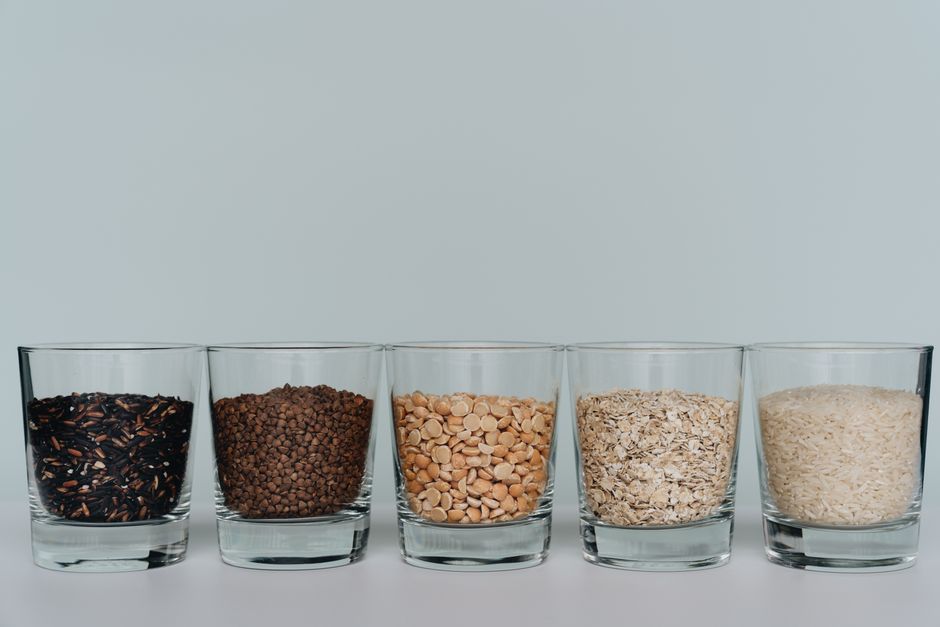
Chipotle white rice is not a health food, but it is not a nutritional disaster either. It is a refined carbohydrate served in a large portion, meaning it delivers quick energy but lacks the fiber, protein, and micronutrients found in whole grains. For most people, the real issue is the portion size and what you pair it with, not the rice itself.
What Is Actually in Chipotle White Rice?
Chipotle white rice is made from long-grain white rice cooked with water, salt, and a small amount of sunflower oil. After cooking, it is seasoned with fresh lime juice and cilantro. That is the complete ingredient list. There are no hidden sugars, no artificial preservatives, and no heavy cream or butter.
The nutrition facts are straightforward. A standard serving of Chipotle white rice — which is about 4 ounces or roughly half a cup — contains approximately 210 calories, 40 grams of carbohydrates, 4 grams of protein, and 4 grams of fat. The fat comes from the sunflower oil used during cooking. The rice contains less than 1 gram of fiber and about 15 milligrams of sodium per serving.
Those numbers change if you order a bowl instead of a burrito. A burrito bowl typically comes with two scoops of rice unless you ask for light rice. That doubles the calories and carbohydrates to roughly 420 calories and 80 grams of carbs before you add anything else.
Is White Rice Nutritionally Different from Brown Rice?
Yes, and the difference matters. White rice has had the bran and germ removed during milling. Those outer layers contain most of the grain’s fiber, vitamins, and minerals. What remains is mostly the starchy endosperm, which is why white rice is considered a refined grain.
Brown rice keeps the bran and germ intact. That changes the nutritional profile significantly. Brown rice contains about three times more fiber than white rice and higher levels of magnesium, phosphorus, and B vitamins. The fiber in brown rice also slows digestion, which helps stabilize blood sugar levels after a meal.
That does not mean white rice is toxic or should be avoided entirely. It simply means it is a less nutrient-dense choice. For someone who eats rice occasionally, the difference is minor. For someone who eats Chipotle multiple times per week, choosing brown rice over white rice is a meaningful improvement.
How Does Chipotle White Rice Affect Blood Sugar?
White rice has a high glycemic index, which means it raises blood sugar quickly after eating. The refining process removes the fiber that would normally slow down carbohydrate absorption. Within an hour of eating, blood sugar levels spike, and the body releases insulin to bring them back down.
Research consistently shows that replacing white rice with brown rice improves blood sugar control. A large body of evidence also links frequent white rice consumption to a higher risk of developing type 2 diabetes, particularly in populations that eat large portions daily. The connection is strongest for people who are already overweight or sedentary.
This does not mean one Chipotle visit will harm your metabolism. Blood sugar response depends on the entire meal. If you pair white rice with beans, chicken, and vegetables, the protein and fiber from those foods slow digestion and blunt the blood sugar spike. The rice alone is not the problem — the rice on top of an already carb-heavy meal is where issues arise.
Is Chipotle White Rice Healthy Compared to Other Chipotle Options?
Chipotle offers several bases for burrito bowls and salads. The white rice is not the worst option, but it is not the best either.
- White rice: 210 calories, 40g carbs, 4g protein, less than 1g fiber per serving
- Brown rice: 210 calories, 36g carbs, 4g protein, 3g fiber per serving
- Black beans: 130 calories, 22g carbs, 8g protein, 7g fiber per serving
- Pinto beans: 130 calories, 22g carbs, 8g protein, 7g fiber per serving
- Fajita vegetables: 20 calories, 4g carbs, 1g protein, 1g fiber per serving
- Lettuce: 5 calories, 1g carb, 0g protein, 0g fiber per serving
The beans offer more protein and seven times more fiber than white rice at roughly half the calories. The fajita vegetables provide volume and nutrients for almost no calories. Even the brown rice, which has the same calorie count as white rice, provides more fiber and a slower blood sugar response.
If you are building a lower-carb meal, the best strategy is to ask for half rice or no rice and double the beans instead. If you want rice, brown rice is the better choice from a nutritional standpoint, though both are refined or minimally processed grains that serve mostly as an energy source.
What Are the Biggest Problems with Chipotle White Rice?
Portion size is the first problem. Chipotle employees are trained to serve two scoops of rice in a bowl. That portion contains roughly 80 grams of carbohydrates, which is more than many people need in an entire meal, especially if they are not highly active.
The lack of fiber is the second issue. Fiber slows digestion, promotes fullness, feeds beneficial gut bacteria, and helps regulate cholesterol and blood sugar. White rice provides almost none of it. A meal built around white rice will leave you hungry sooner than a meal built around beans or vegetables, which can lead to overeating later in the day.
Sodium is a third consideration, though less significant than most people assume. Chipotle white rice contains about 15 milligrams of sodium per serving. That is very low. The sodium in a Chipotle meal comes almost entirely from the meats, salsas, cheese, and tortilla, not the rice.
There is also the question of what white rice displaces. When you fill half your bowl with rice, there is less room for beans, vegetables, and protein. Those are the components that provide lasting satiety and nutritional value. The rice crowds out the foods that actually support health.
Can Chipotle White Rice Fit into a Healthy Diet?
Yes. White rice is not an inherently unhealthy food. It is a refined grain that provides quick energy, and it has been a dietary staple for billions of people for centuries. The context matters more than the ingredient itself.
For an active person who eats a balanced diet, Chipotle white rice is a perfectly reasonable carbohydrate source. A 40-gram serving of carbs is not excessive for someone who exercises regularly or has a physically demanding job. The rice also makes the meal more satisfying and palatable, which can help someone stick to healthier choices overall.
For someone with diabetes, prediabetes, or insulin resistance, white rice is a less ideal choice. The rapid blood sugar spike is not helpful for metabolic health. Brown rice, beans, or a salad base would serve that person better.
The practical takeaway is simple. If you enjoy white rice at Chipotle, you do not need to eliminate it. Ask for light rice to control the portion. Add beans for fiber and protein. Load up on fajita vegetables and lettuce for volume. The rice becomes a small part of a balanced meal rather than the foundation of one.
What Do Nutrition Experts Actually Recommend?
Most nutrition guidelines recommend making half your grains whole grains. That advice comes from the Dietary Guidelines for Americans, which is the federal standard for nutrition guidance in the United States. White rice falls into the refined grain category, so it should not make up the majority of your grain intake.
The evidence supporting whole grains over refined grains is extensive. Large observational studies have consistently linked higher whole grain intake to lower risks of heart disease, type 2 diabetes, and certain cancers. Refined grain intake shows the opposite pattern, with higher consumption associated with worse metabolic outcomes.
That said, the occasional refined grain is not a health emergency. Nutrition is about patterns over time, not single meals. A person who eats mostly whole foods, vegetables, lean protein, and beans can absolutely include Chipotle white rice in their routine without measurable harm.
Some clinicians recommend choosing brown rice at Chipotle because it provides the same satisfaction with better nutritional value. Others note that the difference between white and brown rice at a single meal is small, and the bigger priority is reducing sugary drinks, processed snacks, and excess calories from other sources.
The evidence is clear on one point: if you are choosing between white rice and brown rice at Chipotle, brown rice is the healthier option. But if you are choosing between white rice and no rice, the rice is not going to derail an otherwise healthy diet.
What Are the Best Ways to Order Chipotle Rice Healthier?
If you want to keep rice in your Chipotle order, there are several evidence-based strategies that improve the nutritional quality of the meal without sacrificing taste.
Ask for light rice. This cuts the portion roughly in half, reducing calories and carbohydrates without eliminating the flavor and texture you enjoy. Most Chipotle locations will happily accommodate this request.
Choose brown rice instead of white. Brown rice provides three times the fiber and more micronutrients at the same calorie count. The taste and texture are slightly different, but many people adjust quickly.
Pair rice with beans. Adding black or pinto beans introduces protein and fiber that slow digestion and promote fullness. A half-rice, half-beans base is a common strategy among people who want the rice experience without the blood sugar spike.
Skip the tortilla if you are having rice. A burrito with rice contains both a refined grain tortilla and refined grain rice, which doubles the carbohydrate load. A bowl with rice and beans is a better structure for carbohydrate control.
Load up on vegetables. Fajita peppers and onions, fresh tomato salsa, and lettuce add volume, fiber, and nutrients for very few calories. These ingredients dilute the overall caloric density of the meal and increase satiety.
Frequently Asked Questions
Is Chipotle white rice high in calories?
A single serving of Chipotle white rice contains about 210 calories, but a standard bowl comes with two scoops, which is roughly 420 calories. Ask for light rice if you want to control the calorie count.
Is Chipotle brown rice healthier than white rice?
Yes, brown rice provides about three times more fiber and higher levels of magnesium and B vitamins than white rice at the same calorie count. Brown rice also produces a slower blood sugar response after eating.
Does Chipotle white rice have added sugar?
No, Chipotle white rice is made with rice, water, sunflower oil, salt, lime juice, and cilantro. It contains no added sugar or artificial ingredients.
Can I eat Chipotle white rice if I have diabetes?
White rice has a high glycemic index and will raise blood sugar quickly, so people with diabetes should choose brown rice or beans instead. If you do order white rice, ask for light rice and pair it with protein and fiber-rich toppings.
