
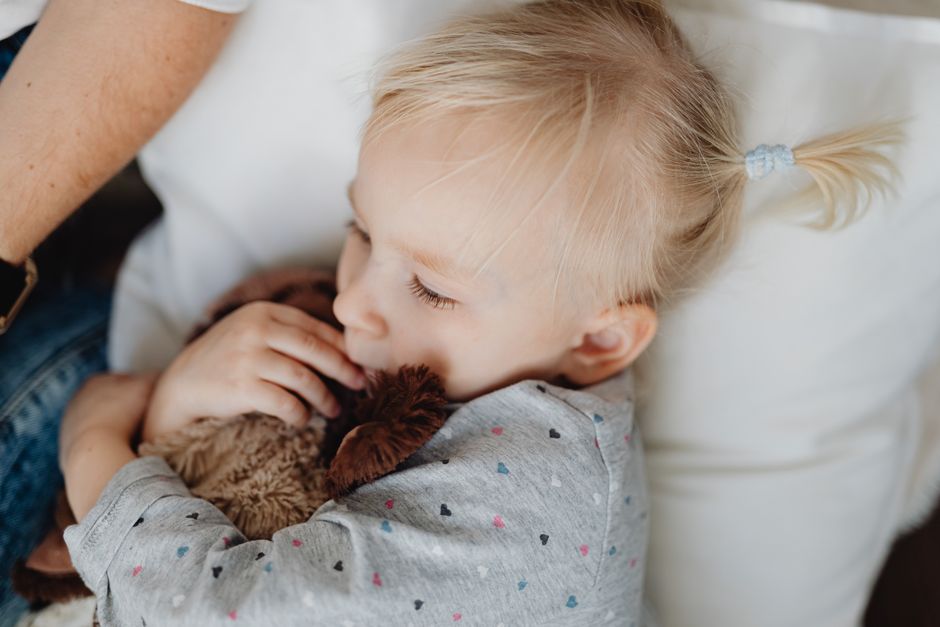
A toddler who thrashes, kicks, or cries out during sleep can turn your quiet evenings into a puzzle. Most restless nights are normal parts of development, not signs of a serious problem. The common causes include poor sleep hygiene, over-tiredness, teething discomfort, and simple nightmares or night terrors. Fixes usually start with a consistent bedtime routine, adjusting nap schedules, and checking the sleep environment for comfort and safety.
Why Is My Toddler So Restless At Night Causes Fixes
Restless sleep in toddlers is rarely one single issue. It is often a combination of their developing brains, physical discomfort, and daily habits. A toddler cycles through sleep stages more frequently than an adult does. This means they wake up partially many times each night. Most of the time they settle back to sleep on their own. When they do not, something is waking them fully or keeping them from settling.
The first place to look is their sleep schedule. Toddlers who are overtired often sleep worse, not better. When a child is exhausted, their body produces more cortisol and adrenaline. These stress hormones can cause fragmented sleep, frequent waking, and early morning restlessness. A child who seems wired at bedtime may actually be exhausted.
What Are The Most Common Causes Of Restless Sleep?
Several physical and developmental factors can make a toddler restless at night. Teething is a frequent culprit, especially when molars are coming in. The pain and pressure can cause a child to wake and fuss without a clear reason. This phase passes, but it can disrupt sleep for weeks at a time.
Illness is another common cause. Ear infections, colds, and congestion make breathing harder and sleep more fragmented. If your toddler has a fever, nasal discharge, or is pulling at their ears, discomfort from illness is likely the cause of the restlessness.
Developmental milestones can also interrupt sleep. When a toddler is learning to walk, talk, or climb, their brain practices these new skills at night. Some children physically act out these skills during sleep, which looks restless but is normal. Separation anxiety also peaks around 18 months and again around age two, causing some toddlers to wake and call out for a parent.
How Does Sleep Environment Affect Restlessness?
The room itself can be waking your toddler. Temperature is a major factor. A room that is too warm is a common cause of restless sleep. The ideal sleep temperature for a toddler is between 68 and 72 degrees Fahrenheit. Dress them in light layers rather than heavy blankets, which can also be a safety hazard under age two.
Light is another disruptor. Even small amounts of light can interfere with melatonin production. Blackout curtains can help if early morning sunlight wakes your toddler. A dim red nightlight is better than a bright white or blue one if your child needs some light to feel safe.
Noise matters too. Sounds that wake a child fully, like a door slamming or a dog barking, can interrupt sleep cycles. White noise machines can mask these sudden sounds and help a toddler stay asleep through the night.





What Is The Difference Between Nightmares And Night Terrors?
These two sleep disruptions look similar but require different responses. Nightmares happen during REM sleep, usually later in the night. A child having a nightmare wakes up fully, is upset, and often remembers the dream. They want comfort and reassurance from you. This is a normal part of development and not a cause for concern unless it happens very frequently.
Night terrors are different. They happen during deep non-REM sleep, usually in the first few hours after falling asleep. A child in a night terror may scream, thrash, or sit up with their eyes open. They do not recognize you and cannot be comforted. They rarely remember the episode in the morning.
The key with night terrors is to avoid waking the child fully. Waking them can prolong the episode and make them more confused. Instead, stay nearby, keep them safe, and wait for the episode to pass. Night terrors are not dangerous and most children outgrow them by school age.
What Bedtime Habits Improve Sleep Quality?
A consistent bedtime routine is the single most effective fix for restless sleep. The routine should be calming and predictable. A warm bath, a book, and quiet cuddling in the same order every night helps a toddler’s brain recognize that sleep is coming. Keep the routine to about 20 to 30 minutes.
Screen time before bed is a known sleep disruptor. The blue light from tablets and televisions suppresses melatonin production. Even more importantly, the content can be overstimulating. Stop all screen use at least one hour before bedtime.
Watch for signs of over-tiredness during the day. A toddler who rubs their eyes, gets fussy, or loses coordination needs sleep soon. Putting them down at the first signs of tiredness helps prevent the overtired state that leads to restless nights.
Daytime naps matter for nighttime sleep. A toddler who naps too late in the day may not be tired enough at bedtime. A toddler who naps too little may be overtired. Most toddlers transition from two naps to one nap between 12 and 18 months. During this transition, sleep can temporarily get worse before it gets better.
When Should I Be Concerned About Restless Sleep?
Most restless sleep is normal and temporary. Some signs warrant a conversation with your pediatrician. If your toddler snores loudly every night, gasps for air during sleep, or breathes through their mouth, these can be signs of sleep disordered breathing. This condition is not common but it is treatable.
Restless leg syndrome is rare in young children but does occur. If your toddler complains of uncomfortable feelings in their legs at night that improve with movement, mention this to your doctor. This is different from normal wiggling during sleep.
Seek medical advice if the restlessness is accompanied by very heavy breathing, pauses in breathing, or if your child is extremely sleepy during the day despite sleeping enough at night. These signs point to a sleep disorder that needs professional evaluation rather than home fixes.
What Should I Do When My Toddler Wakes At Night?
How you respond to nighttime waking shapes how often it happens. When your toddler wakes, keep the interaction boring. Use a low voice, minimal light, and no play. This teaches your child that nighttime is for sleeping, not for attention or games.
Give your toddler a few minutes before rushing in. Many children wake briefly, fuss for a minute or two, and settle back to sleep on their own. Intervening too quickly can turn a brief awakening into a fully awake child who now needs your help to fall back asleep.
If your child needs you, comfort them briefly in their bed rather than picking them up and bringing them to your room. This helps them learn to fall back asleep in their own space. Consistency is key. If you respond the same way every night, most toddlers adjust within one to two weeks.
Frequently Asked Questions
Is it normal for my toddler to move a lot while sleeping?
Yes, toddlers naturally move more during sleep than adults because they cycle through sleep stages more frequently. Light movement, position changes, and brief stirring are all normal parts of healthy sleep.
Can teething really cause restless nights?
Teething can cause discomfort that disrupts sleep, especially when molars are coming in. The effect is usually temporary and limited to a few nights around the time the tooth breaks through.
How long does it take to fix toddler sleep problems?
Most sleep issues improve within one to two weeks of consistent changes to bedtime routine and sleep environment. If there is no improvement after three weeks, discuss the situation with your pediatrician.
Should I wake my toddler during a night terror?
No, waking a child during a night terror usually makes the episode worse and last longer. Stay nearby to keep them safe and let the episode run its course.
