
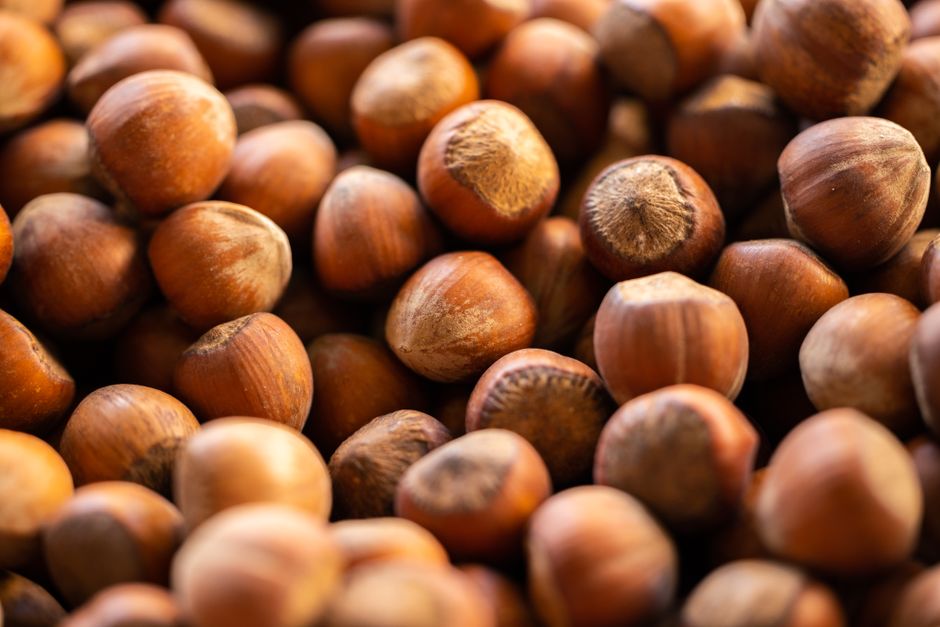
Nutella is not a good source of protein. A typical serving contains about 2 grams of protein, which is roughly the same amount found in a small glass of milk but comes with significantly more sugar and fat. While Nutella does contain hazelnuts and skim milk powder, the amounts are too small to make it a meaningful protein food. You would need to eat several hundred calories worth of Nutella to get the protein found in a single egg.
What Is Actually In Nutella?
Nutella is primarily a sugar and fat product. The first ingredient listed on the label is sugar, followed by palm oil and hazelnuts. Cocoa and skim milk powder come later in the list, meaning they are present in smaller amounts.
The standard serving size is 2 tablespoons, which weighs about 37 grams. That serving contains roughly 200 calories, 21 grams of sugar, 11 grams of fat, and 2 grams of protein. The protein comes from the hazelnuts and the small amount of skim milk powder.
For comparison, a single large egg provides about 6 grams of protein for 70 calories. Nutella provides one-third of that protein for nearly three times the calories.
Protein Quality In Nutella
Protein quality matters as much as quantity. Proteins are made of amino acids, and your body needs all nine essential amino acids from food. Animal proteins like eggs, meat, and dairy contain all of them in good amounts.
Hazelnuts are a plant protein. They contain protein, but it is incomplete. Hazelnuts are low in lysine, an essential amino acid. The skim milk powder in Nutella does provide complete protein, but the quantity is tiny. The combination does not meaningfully improve the overall protein quality because the total amount is so small.
Your body can use the protein in Nutella, but it is not an efficient way to meet your daily protein needs. You would consume excessive sugar and fat long before you got a useful amount of protein.
How Nutella Compares To Real Protein Foods
Looking at the numbers side by side makes the picture clear. A 2-tablespoon serving of Nutella contains 2 grams of protein. That is the same amount found in about one-third of an egg or a quarter cup of cooked lentils.
| Food | Serving | Protein | Calories |
|---|---|---|---|
| Nutella | 2 tablespoons | 2 g | 200 |
| Egg | 1 large | 6 g | 70 |
| Greek yogurt | 1 container | 15 g | 100 |
| Peanut butter | 2 tablespoons | 7 g | 190 |
| Chicken breast | 3 ounces | 26 g | 140 |
Even peanut butter, which is often compared to Nutella, has more than three times the protein per serving. The difference is that peanut butter lists peanuts as its primary ingredient. Nutella lists sugar first.



Why Nutella Gets Confused With A Protein Food
The marketing around Nutella has contributed to the confusion. The label highlights hazelnuts and skim milk, which are real ingredients. Some advertising has emphasized the “goodness” of these ingredients without mentioning that they make up a small fraction of the product.
Nutella also contains about 13 grams of hazelnuts per serving. Hazelnuts are nutritious. They contain healthy fats, fiber, vitamin E, and some minerals. But the processing adds sugar and palm oil, which changes the overall nutritional profile significantly.
The label does not say Nutella is a protein food. The confusion comes from seeing “hazelnuts” and “skim milk” listed and assuming the product is more nutritious than it is. Reading the full nutrition facts panel tells a different story.
Does Nutella Have Any Nutritional Value?
Nutella is not empty calories, but it is close. The hazelnuts provide vitamin E, thiamine, and some healthy monounsaturated fats. The cocoa provides small amounts of minerals like iron and magnesium. These are real nutrients, but the amounts are small relative to the sugar and fat content.
One serving of Nutella contains about 21 grams of sugar. That is roughly 5 teaspoons. The American Heart Association recommends women limit added sugar to about 25 grams per day and men to about 36 grams per day. A single serving of Nutella puts you most of the way to that limit without providing any meaningful protein or other essential nutrients.
If you enjoy Nutella, it can be part of an otherwise balanced diet. The issue is treating it as a health food or a protein source. It is a treat, like jam or chocolate spread, not a staple food.
Better Ways To Get Protein With A Chocolate-Hazelnut Flavor
If you want the chocolate-hazelnut taste with actual protein, you have better options. Some brands make protein spreads that use whey or soy protein as a base. These products typically contain 10 to 15 grams of protein per serving. Check the label carefully, because some still contain high amounts of sugar.
Another option is making your own spread at home. Blend roasted hazelnuts with cocoa powder, a small amount of sweetener, and a scoop of protein powder. This gives you control over the sugar content and boosts the protein meaningfully.
You can also pair a small amount of Nutella with a real protein food. Spreading Nutella on Greek yogurt or mixing it into cottage cheese adds flavor while keeping the protein content high. The key is using Nutella as a flavoring, not as the main ingredient.
What About The “Breakfast” Claim?
Nutella has been marketed as part of a healthy breakfast. The idea is that spreading it on whole-grain toast gives you a quick, tasty morning meal. But the nutritional reality does not support this positioning.
A balanced breakfast should contain protein, fiber, and some fat to keep you full until your next meal. Nutella provides sugar and fat, with almost no protein or fiber. Spreading it on white bread makes the problem worse, since refined carbohydrates digest quickly and leave you hungry soon after.
If you want a chocolate-hazelnut breakfast, consider oatmeal with chopped hazelnuts and a spoonful of cocoa powder. Or spread a thin layer of Nutella on whole-grain toast and add a side of eggs or Greek yogurt to cover the protein gap.
Should You Avoid Nutella Entirely?
No. Nutella is not toxic, and it is not uniquely harmful compared to other sweet spreads. The issue is portion control and expectations. If you know it is a treat, you can enjoy it without guilt.
The problem comes when people believe they are making a nutritious choice. Nutella is not a health food. It is a dessert spread with a health-conscious image. Knowing the difference lets you make an informed decision.
If you are trying to increase your protein intake for muscle building, weight management, or overall health, Nutella will not help you reach that goal. Choose foods with a higher protein-to-calorie ratio and leave Nutella for occasional enjoyment.
Frequently Asked Questions
How much protein is in a serving of Nutella?
A 2-tablespoon serving of Nutella contains about 2 grams of protein. This is roughly one-third of the protein found in a single large egg.
Is Nutella healthier than peanut butter?
No. Peanut butter has more protein, less sugar, and a simpler ingredient list than Nutella. Peanut butter contains about 7 grams of protein per serving compared to Nutella’s 2 grams.
Can Nutella help you build muscle?
No. The protein content is too low to meaningfully contribute to muscle building. You would need to consume excessive calories from sugar and fat to get a useful amount of protein from Nutella.
What is the main ingredient in Nutella?
Sugar is the first ingredient listed on the label, followed by palm oil and hazelnuts. This means Nutella is primarily a sweetened fat product rather than a protein or nut food.
