
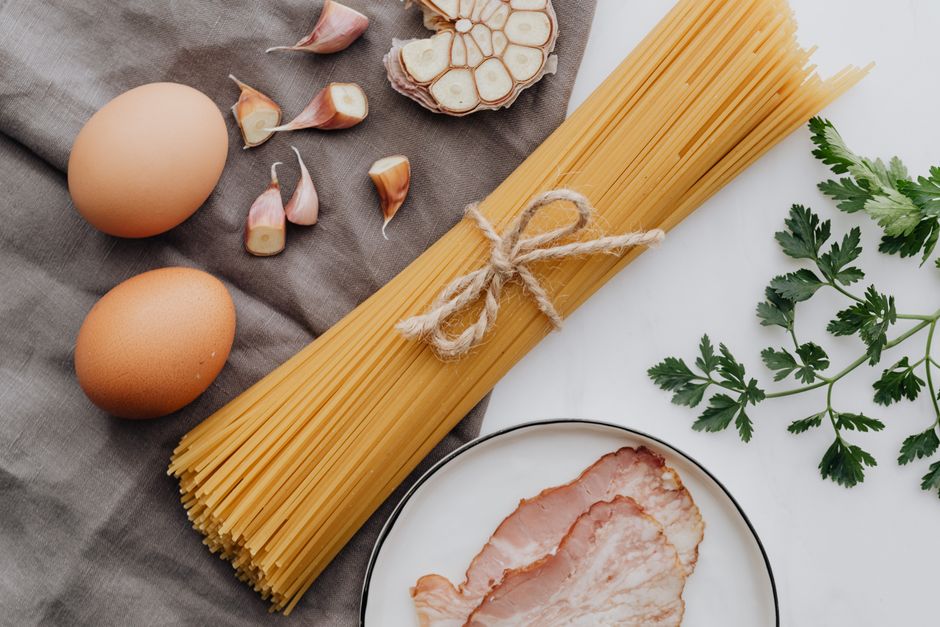
Protein pasta is a real food with a real nutritional difference, not just a marketing trick. Compared to regular pasta, it typically contains more protein and fiber, and fewer carbohydrates per serving. Whether that makes it “good for you” depends on your health goals, your overall diet, and which brand you choose.
What Exactly Is Protein Pasta?
Protein pasta is made by replacing part or all of the traditional wheat flour with a higher-protein ingredient. The most common sources are legumes like chickpeas, lentils, black beans, and edamame. Some brands use wheat gluten or egg whites to boost the protein content while keeping a wheat-based texture.
The result is a pasta that looks similar to regular pasta but has a different nutritional profile. A standard 2-ounce serving of regular pasta has about 7 grams of protein. The same serving of most protein pastas contains 12 to 25 grams of protein, depending on the brand and the main ingredient.
The legume-based versions are also naturally gluten-free. The wheat-gluten versions are not.
Is Protein Pasta Good For You Or Just Overhyped: The Nutritional Breakdown
To answer this directly, you have to look at what is actually in the box. The nutritional differences are real, but they are not identical across all brands.
Here is a typical comparison for a 2-ounce dry serving:
| Nutrient | Regular Wheat Pasta | Legume-Based Protein Pasta |
|---|---|---|
| Protein | 7 grams | 12–25 grams |
| Fiber | 2–3 grams | 8–13 grams |
| Net Carbohydrates | 35–38 grams | 20–30 grams |
| Calories | 200 | 180–210 |
These numbers come from standard USDA nutritional data and common label information. The protein and fiber increases are substantial. The calorie difference is minimal.
One important detail: the higher protein and fiber content changes how your body processes the meal. Protein and fiber slow digestion. That means blood sugar rises more slowly after eating protein pasta compared to regular pasta. This is a real physiological effect, not a marketing claim.
Who Actually Benefits From Protein Pasta?
Protein pasta is not necessary for everyone. But it does offer genuine advantages for specific groups.
People managing blood sugar. The slower digestion and lower carbohydrate load can help with glucose control. Some research suggests that legume-based foods improve post-meal blood sugar responses compared to refined grains. This is relevant for people with prediabetes or type 2 diabetes, though anyone on medication for diabetes should discuss meal changes with their doctor.
People trying to increase protein intake. Older adults, athletes, and people recovering from illness often need more protein. Swapping regular pasta for protein pasta is an easy way to add protein without adding meat. This is a practical strategy, not a medical necessity.
People on plant-based diets. Legume pasta provides a solid plant protein source. It contains the amino acid lysine, which is often lower in other plant proteins like rice or wheat.
People watching their weight. The higher fiber content increases fullness. Some studies suggest that higher-protein, higher-fiber meals reduce subsequent food intake. The effect is modest but real.




What Protein Pasta Does Not Do
Protein pasta is not a complete protein replacement. It is still a carbohydrate food. A serving of most protein pastas contains less protein than a serving of chicken, fish, or eggs. It should be part of a meal, not the sole protein source.
It is also not a low-calorie food. The calorie difference between regular and protein pasta is small. If weight loss is your goal, portion size still matters more than the type of pasta.
There is no evidence that protein pasta is better for muscle building than regular pasta plus a normal protein source. The protein in pasta is not superior to protein from other foods. It is simply convenient.
Potential Downsides And Who Should Be Careful
Protein pasta is not problematic for most people. But there are a few genuine concerns.
Digestive discomfort. The jump in fiber can cause bloating, gas, or cramping, especially if you are not used to high-fiber foods. This is common and usually temporary. Starting with a small portion and increasing gradually can help.
People with kidney disease. Higher protein intake may not be appropriate for people with chronic kidney disease. The kidneys work harder to clear protein byproducts. If you have kidney disease, do not increase protein intake without discussing it with your healthcare provider.
People with IBS or FODMAP sensitivity. Legume-based pastas are high in certain fermentable carbohydrates that can trigger symptoms in sensitive individuals. Some people with irritable bowel syndrome tolerate them poorly. This is individual and unpredictable.
Taste and texture. Legume pasta has a different mouthfeel. It can be denser, slightly gritty, or have an earthy flavor. Some people love it. Some people find it unacceptable. This is a preference issue, not a health issue.
How To Choose A Good Protein Pasta
The label is your best tool. Look for a product where the protein-rich ingredient is listed first. If the first ingredient is enriched wheat flour, the protein boost is likely small.
Check the protein and fiber numbers per serving. A meaningful protein pasta should have at least 12 grams of protein and 5 grams of fiber per 2-ounce serving. Anything below that is closer to regular pasta.
Check the sodium content. Some brands add salt to improve flavor. This matters mainly for people with high blood pressure, but it is worth checking.
Watch for added ingredients. Some brands add sugar, gums, or artificial flavorings. These are not necessarily harmful, but they are not necessary either. A short ingredient list is usually a good sign.
Consider the cooking time. Legume pastas cook differently than wheat pasta. They often need less time and can turn mushy if overcooked. Follow the package instructions and check the pasta a minute before the suggested time.
Protein Pasta Vs. Whole Wheat Pasta
Whole wheat pasta is a reasonable middle ground. It has more fiber than regular white pasta but less protein than legume pasta. A 2-ounce serving of whole wheat pasta typically has about 7 grams of protein and 6 grams of fiber.
If you are eating pasta with a protein-rich sauce, like meat sauce or with chicken, the protein difference between whole wheat and protein pasta matters less. The meal protein total is similar. If you are eating pasta with a light vegetable sauce, protein pasta provides a more balanced meal.
Both are better choices than white pasta for most people. The best choice depends on your specific goals and your tolerance for the taste difference.
Practical Ways To Use Protein Pasta
Protein pasta works in most recipes that call for regular pasta. There are a few adjustments that help.
Use a sauce with some liquid. Legume pasta absorbs sauce differently and can dry out quickly. A slightly looser sauce helps.
Do not overcook it. Check the pasta frequently during the last two minutes of cooking. It goes from al dente to mushy quickly.
Rinse it after draining. This stops the cooking process and removes surface starch. It can improve the texture.
Pair it with vegetables and a small amount of healthy fat. A drizzle of olive oil, some garlic, and roasted vegetables make a complete meal without needing much else.
Frequently Asked Questions
Is protein pasta actually healthier than regular pasta?
Yes, for most people. It has more protein and fiber and fewer digestible carbohydrates per serving. This can help with fullness and blood sugar control.
Can I eat protein pasta every day?
Yes, if you enjoy it and tolerate it well. The main concern is digestive discomfort from the higher fiber content, which usually improves with regular consumption.
Does protein pasta taste different from regular pasta?
Yes, especially the legume-based versions. They have a denser texture and an earthy flavor. Wheat-based protein pastas taste closer to regular pasta.
Is protein pasta good for weight loss?
It can help indirectly. The higher protein and fiber increase fullness, which may help you eat less overall. It is not a low-calorie food, so portion control still matters.
