
Getting 30 grams of protein from a single food source is not possible from most whole foods alone. A chicken breast gives you that much in about 4 ounces. But eggs, beans, nuts, and vegetables all need larger portions or combinations to hit 30 grams. The practical answer is that you almost always need to combine foods or eat a specific portion of a high-protein animal source. This article explains exactly how much of each food you need and what realistic combinations work.
What Does 30 Grams of Protein Look Like in Common Foods?
Most people overestimate how much protein is in their food. A large egg has about 6 grams. A tablespoon of peanut butter has about 4 grams. To get 30 grams from eggs alone, you would need to eat five whole eggs. That is a lot of eggs for one meal.
Here is a quick comparison of common foods and the amount needed to reach 30 grams:
| Food | Amount needed for 30g protein | Calories |
|---|---|---|
| Chicken breast (cooked) | 4 ounces (about half a breast) | ~190 |
| Greek yogurt (plain, nonfat) | 1.5 cups | ~200 |
| Cottage cheese (low-fat) | 1.25 cups | ~220 |
| Eggs (whole, large) | 5 eggs | ~350 |
| Black beans (cooked) | 2.5 cups | ~550 |
| Lentils (cooked) | 2 cups | ~460 |
| Almonds (whole) | 1 cup | ~830 |
| Tofu (firm) | 10 ounces (about 1.5 blocks) | ~350 |
| Peanut butter | 5 tablespoons | ~470 |
| Edamame (shelled) | 2 cups | ~380 |
The takeaway is straightforward. Animal proteins give you 30 grams in small portions with fewer calories. Plant proteins require larger volumes and more calories. This is not good or bad — it is just reality. If you are trying to keep calories low, animal sources are more efficient. If you prefer plants, you will eat more food volume to get the same protein.
How To Get 30 Grams of Protein From Any Food Source Using Combinations
If you do not eat meat or cannot eat a large portion of one food, combinations are the answer. The body does not care if protein comes from one food or a mix. It breaks everything down into amino acids either way.
Here are three common 30-gram protein combinations that work:
- Breakfast combo: 2 eggs (12g) + 1 cup Greek yogurt (20g) = 32g protein
- Lunch combo: 1 cup cooked lentils (18g) + 1 cup cooked quinoa (8g) + 1 tablespoon hemp seeds (5g) = 31g protein
- Snack combo: 1 cup cottage cheese (24g) + a handful of almonds (6g) = 30g protein
These combos work because they pair foods with different amino acid profiles. Grains are low in lysine. Legumes are high in lysine but low in methionine. When you eat them together, you get a complete protein profile. This is called protein complementing. It was once thought you needed to eat these at the same meal. Research now shows that eating them within the same day is enough for most people.
Can You Get 30 Grams of Protein From Vegetables Alone?
No. This is one of the most common myths in nutrition. Vegetables are not a significant protein source. Broccoli has about 3 grams of protein per cup. Spinach has about 1 gram per cup. To get 30 grams from broccoli, you would need to eat 10 cups. That is about 300 calories of broccoli, which is possible but impractical for most people.
Some vegetables are slightly higher. Peas have about 8 grams per cup. Edamame is technically a soybean and has 18 grams per cup. But even with these, you would need to eat several cups to reach 30 grams. The idea that vegetables alone can meet high protein needs is not supported by the numbers. Vegetables are valuable for fiber, vitamins, and minerals — but they are not protein powerhouses.
This does not mean you cannot get 30 grams on a plant-based diet. It just means you need to include legumes, tofu, tempeh, seitan, or protein powders. Beans, lentils, and soy products are the main plant sources that can realistically get you there.




What About Protein Powders and Supplements?
Protein powders are the easiest way to get 30 grams in a single serving. A standard scoop of whey or pea protein powder provides 20 to 25 grams. Two scoops give you 40 to 50 grams. This is why protein shakes are popular after workouts. They are fast, convenient, and predictable.
But there are important things to know. The FDA does not regulate protein powders the same way it regulates medications. A 2018 study published in the Journal of the International Society of Sports Nutrition tested 133 protein powders and found that 70% contained detectable levels of heavy metals. Some had measurable amounts of lead, cadmium, or arsenic. This does not mean all powders are dangerous. It means you should choose brands that do third-party testing. Look for seals from NSF International or USP.
Also, protein powders are not better than whole food protein. Your body digests whole food protein more slowly, which can keep you fuller longer. Powders are a tool, not a replacement. If you are short on time or appetite, a shake is fine. If you are eating whole meals, you do not need it.
How To Get 30 Grams of Protein Without Eating Meat
This is a common question for people who are vegetarian, vegan, or just trying to eat less meat. The strategy is different because plant foods are less protein-dense. You need to be intentional about including high-protein plant foods at every meal.
Tofu and tempeh are the most efficient plant sources. A 4-ounce serving of firm tofu has about 11 grams of protein. Tempeh has about 16 grams per 4 ounces. Seitan, which is made from wheat gluten, has about 21 grams per 3 ounces. These are the closest plant foods to animal protein in terms of protein density.
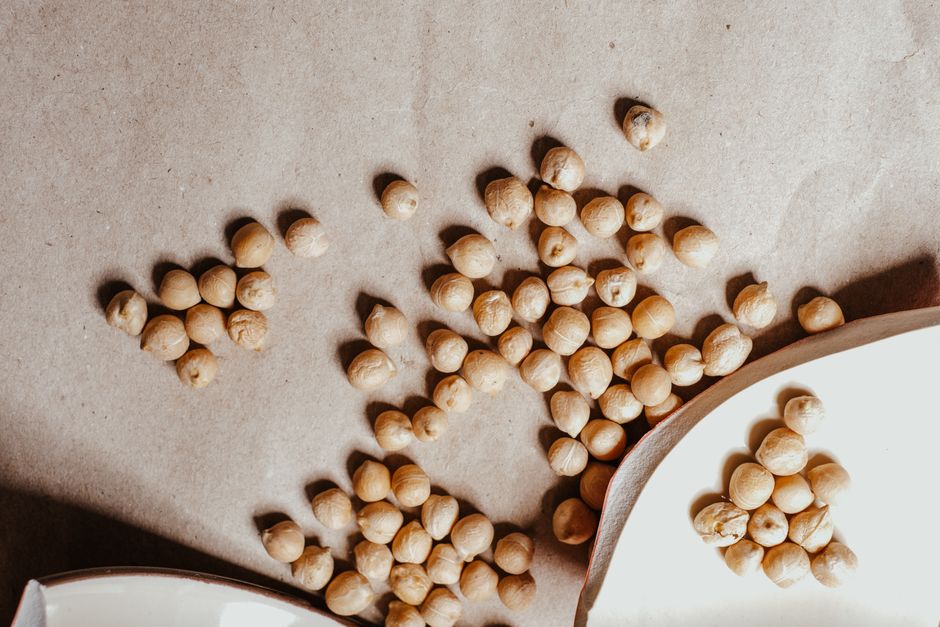
Lentils and beans are next. One cup of cooked lentils has 18 grams. One cup of chickpeas has 14 grams. These are good but require volume. To get 30 grams from lentils alone, you would eat about 1.5 cups. That is a large serving but doable for a main dish.
Nuts and seeds are often overestimated. Two tablespoons of peanut butter has 7 grams. A quarter cup of almonds has 6 grams. These are healthy fats but not primary protein sources. Relying on nuts for protein also adds a lot of calories — about 800 calories to get 30 grams from almonds.
Practical plant-based 30-gram meals:
- 1.5 cups lentil soup (27g) + a slice of whole wheat bread (4g) = 31g
- 4 ounces tempeh (16g) + 1 cup cooked quinoa (8g) + 1 cup steamed broccoli (3g) + 2 tablespoons pumpkin seeds (5g) = 32g
- 1 block firm tofu (22g) + 1 cup stir-fried vegetables (4g) + 1/2 cup brown rice (3g) = 29g
These are realistic, whole-food meals that require no protein powder and no meat. They do require planning. You cannot just eat salad and reach 30 grams. You need to build the meal around a protein-rich plant food.
Common Misconceptions About Protein Amounts
Many viral health claims about protein are not backed by evidence. One common claim is that the body can only absorb 20 to 25 grams of protein per meal. This is false. Research published in the Journal of the International Society of Sports Nutrition has shown that the body can digest and use much larger amounts. The idea of a “protein ceiling” per meal is a myth that came from a misunderstanding of muscle protein synthesis studies.
Another myth is that plant protein is incomplete and useless. This is also not true. All plant foods contain all essential amino acids. Some are just lower in certain ones. As long as you eat a variety of plant foods over the day, your body gets everything it needs. The American Dietetic Association has stated that well-planned vegetarian diets meet all protein needs.
A third misconception is that you need 30 grams of protein at every meal. This is not true for most people. The Recommended Dietary Allowance for protein is 0.8 grams per kilogram of body weight. For a 150-pound person, that is about 55 grams per day total. Athletes and older adults may need more, but the average person does not need 30 grams at breakfast, lunch, and dinner. Spreading protein across meals is fine, but the total daily amount matters more than the per-meal amount.
Frequently Asked Questions
How many eggs do I need to eat for 30 grams of protein?
You need to eat five large eggs to get 30 grams of protein. Each large egg contains about 6 grams of protein.
Can I get 30 grams of protein from oatmeal?
No, oatmeal alone cannot provide 30 grams of protein. One cup of cooked oatmeal has about 6 grams. You would need to add milk, protein powder, nuts, or seeds to reach 30 grams.
Is 30 grams of protein too much for one meal?
No, 30 grams is a reasonable amount for one meal for most people. Research shows the body can digest and use much larger amounts without issue.
What is the cheapest way to get 30 grams of protein?
Canned beans, lentils, eggs, and Greek yogurt are the cheapest sources. Lentils cost about 15 cents per serving and provide 18 grams of protein per cup.
