
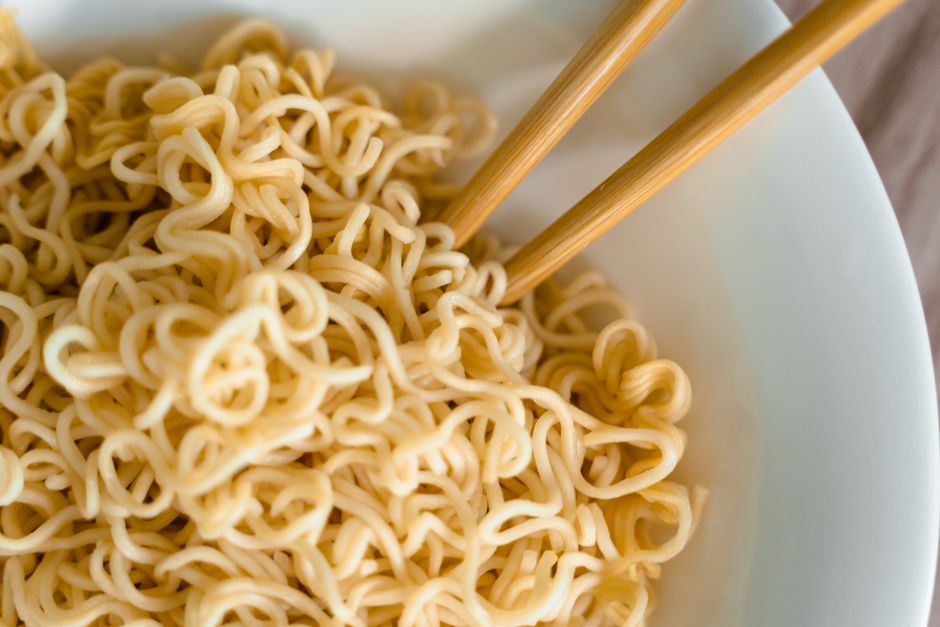
Ramen noodles are not a good source of protein. A standard package of instant ramen contains about 8 to 12 grams of protein, which comes from the wheat flour in the noodles. That sounds decent until you look closer. The protein in ramen is incomplete, meaning it lacks several essential amino acids your body cannot make on its own. You would need to eat a lot more ramen than is healthy just to meet your daily protein needs, and even then you would be missing key nutrients. For a food to be a “good source” of protein, it should provide a significant amount of complete protein without excessive sodium, fat, or empty calories. Ramen fails on all these fronts.
How Much Protein Is Actually in Ramen Noodles?
A single serving of instant ramen — typically one block of noodles with the seasoning packet — contains between 8 and 12 grams of protein. The exact number depends on the brand. Maruchan and Top Ramen both fall in this range. Nissin Cup Noodles has slightly less, around 7 grams per serving.
Compare that to real protein sources. A 3-ounce serving of chicken breast has about 26 grams. A cup of cooked lentils has 18 grams. Even a single large egg has 6 grams. To get the same protein as one chicken breast, you would need to eat three full packages of ramen. That would also mean consuming around 1,300 milligrams of sodium — more than half the daily recommended limit — and about 50 grams of fat.
The bigger issue is what kind of protein ramen provides. Wheat protein is low in the amino acid lysine. Without enough lysine, your body cannot use that protein efficiently for muscle repair, enzyme production, or immune function. The CDC notes that most Americans get enough protein overall, but the quality matters. Relying on ramen as a protein source means you are missing out on the building blocks your body actually needs.
Is the Protein in Ramen Noodles Complete or Incomplete?
The protein in ramen noodles is incomplete. This is not debatable. Wheat flour, the main ingredient, lacks sufficient amounts of the essential amino acid lysine. Your body needs nine essential amino acids from food, and ramen provides only a few of them in adequate amounts.
A complete protein source contains all nine essential amino acids in the right proportions. Meat, poultry, fish, eggs, dairy, soy, and quinoa are complete. Most plant proteins, including wheat, are incomplete. The exception is soy and a few others like quinoa and amaranth.
Some people argue that you can combine incomplete proteins to make a complete one — like rice and beans. This is true in theory. But the amount of lysine in ramen is so low that even pairing it with a lysine-rich food like eggs or chicken does not fully fix the problem. You would need to add a significant amount of protein-rich toppings to make the meal balanced. A few slices of boiled egg or a handful of shredded chicken would help, but most people eating ramen do not do this.
Research published in the Journal of Nutrition found that diets relying heavily on wheat-based proteins without complementary amino acids led to lower muscle protein synthesis in adults. The body simply cannot build tissue efficiently with incomplete protein alone.
What Happens When You Rely on Ramen for Protein?
If ramen is your main protein source, you will likely fall short of your daily needs. The Recommended Dietary Allowance for protein is 0.8 grams per kilogram of body weight. For a 150-pound person, that is about 54 grams per day. Two packs of ramen give you around 20 grams — less than half your needs. And those 20 grams are poor quality protein.
The bigger concern is what you get instead of protein. A single serving of instant ramen contains 800 to 1,200 milligrams of sodium. The American Heart Association recommends no more than 2,300 milligrams per day, with an ideal limit of 1,500 milligrams for most adults. Two packs of ramen could push you past that limit in one meal.
There is also the issue of refined carbohydrates. The noodles are made from white flour, which spikes blood sugar quickly. Without fiber or protein to slow digestion, you get a rapid rise and fall in energy. This is the opposite of what a protein-rich meal should do. Real protein sources like meat, eggs, or legumes provide sustained energy and keep you full for hours. Ramen does not.
A study in the Journal of the American Medical Association found that women who ate instant noodles more than twice per week had a higher risk of metabolic syndrome — a cluster of conditions including high blood pressure, high blood sugar, and abnormal cholesterol. The study controlled for other dietary factors. The link was strongest for instant noodles specifically, not other types of pasta or noodles.




Can You Make Ramen Noodles a Better Protein Source?
You can improve the protein content of ramen, but you have to be intentional about it. The noodles themselves will never be a good protein source. What you add matters.
Here are practical ways to boost the protein in a bowl of ramen:
- Add a soft-boiled or hard-boiled egg. That adds 6 grams of complete protein.
- Throw in shredded cooked chicken, beef, or pork. A half-cup adds about 15 grams.
- Use tofu or edamame for a plant-based option. Half a cup of firm tofu adds 10 grams.
- Top with sesame seeds or hemp hearts. A tablespoon of hemp hearts adds 3 grams.
- Skip the seasoning packet or use half. The sodium is the main health concern, not the noodles themselves.
Even with these additions, the base of the meal is still refined flour and oil. You are essentially turning ramen into a vehicle for other protein-rich foods. That is fine occasionally, but it does not make ramen itself a protein source. It makes the toppings the protein source.
Some people report feeling fuller and more satisfied after adding protein to their ramen. That makes sense. Protein triggers satiety hormones. Without it, a bowl of plain ramen is mostly empty calories that digest quickly and leave you hungry again within an hour or two.
How Does Ramen Compare to Other Quick Protein Sources?
Let us compare ramen to other fast, affordable protein options. This table shows the protein content and quality of common foods you might grab when you are short on time.
| Food | Protein (grams) | Complete Protein? | Sodium (mg) |
|---|---|---|---|
| Instant ramen (1 pack) | 8-12 | No | 800-1,200 |
| Greek yogurt (1 cup) | 20-25 | Yes | 50-70 |
| Canned tuna (1 can) | 20-25 | Yes | 200-300 |
| Hard-boiled eggs (2) | 12 | Yes | 140 |
| Cottage cheese (1 cup) | 28 | Yes | 700-900 |
| Peanut butter (2 tbsp) | 7-8 | No | 5-10 |
The difference is clear. Greek yogurt, tuna, eggs, and cottage cheese all provide more protein, complete protein, and far less sodium than ramen. Peanut butter is also incomplete, but it pairs easily with whole wheat bread or apples to make a complete protein. Ramen does not pair as easily because of its high sodium and fat content.
Cost is a common argument for ramen. A pack costs about 25 cents. But a can of tuna costs about 80 cents and provides more than double the usable protein. Hard-boiled eggs cost about 30 cents each. The price difference is small when you factor in what you actually get.
What About “Healthy” or “High Protein” Ramen Brands?
Some newer brands market themselves as healthier ramen options. These include products like Immii, Lotus Foods, and Paldo. They often use brown rice, quinoa, or added pea protein to boost the nutritional profile.
Immii ramen, for example, contains about 20 grams of protein per serving. That is double or triple what standard ramen provides. It also has less sodium — around 400 milligrams per pack. Lotus Foods makes ramen from brown rice and millet, which provides a more complete amino acid profile than white wheat flour. Paldo has a “protein noodle” version with added soy protein.
These products are better than standard instant ramen. They still are not a great protein source compared to whole foods. Twenty grams of protein from a processed noodle product is not the same as 20 grams from chicken or eggs. The processing affects how quickly your body absorbs the protein, and the fiber and micronutrients are still low.
Some people report that these healthier ramen options taste different. They tend to have a chewier texture and a nuttier flavor. If you are used to the soft, salty taste of standard ramen, the switch may take some getting used to. The price is also significantly higher — often $3 to $5 per pack compared to 25 cents.
Frequently Asked Questions
Is ramen a good source of protein for muscle building?
No. The protein in ramen is incomplete and low quality, so it does not support muscle repair and growth as effectively as complete protein sources like meat, eggs, or dairy.
Can I eat ramen every day for protein?
You should not. The high sodium and low protein quality make it a poor daily choice, and relying on it could lead to nutrient deficiencies over time.
What is the best way to add protein to ramen?
Add a boiled egg, shredded chicken, tofu, or edamame. These provide complete protein and improve the overall nutritional balance of the meal.
Are there any ramen brands with high protein?
Yes, brands like Immii and Paldo make higher protein versions with 20 grams per serving, but they are still processed foods and cost more than standard ramen.
