
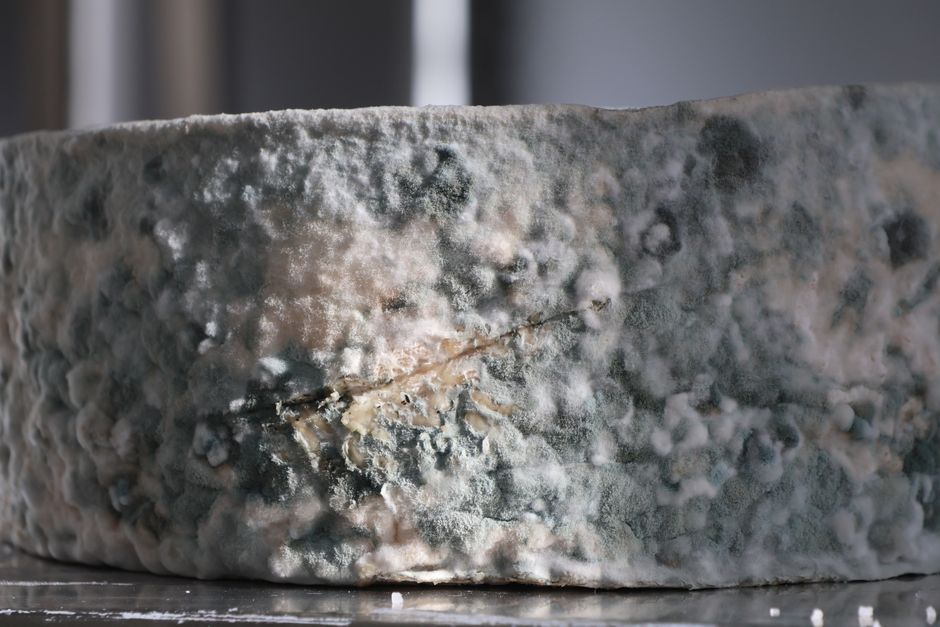
You reach for a slice of bread, spot a fuzzy green patch on the corner, and face a quick decision: cut it off or toss the loaf. The answer depends on what kind of mold you are looking at and how far it has spread. For most soft breads, the safe move is to throw the whole loaf away. Mold on bread can produce invisible threads and toxins that reach well beyond the spot you can see.
Is Moldy Bread Bad For You?
Yes, eating moldy bread can make you sick. The visible mold is only part of the problem.
Molds grow as tiny branching threads called hyphae. What you see on the surface is the reproductive part. The rest of the mold — the root-like network — has usually spread through the bread by the time a spot appears. That means cutting off the moldy corner does not remove the mold. It just removes the part you can see.
Some molds also produce mycotoxins. These are chemical compounds the mold makes as it grows. Mycotoxins can cause illness, and they are not always destroyed by heat. Toasting moldy bread does not make it safe.
What Happens If You Eat Moldy Bread?
For most healthy people, eating a small amount of mold by accident is unpleasant but not dangerous. The body usually handles it without serious problems.
Common reactions include nausea, stomach cramping, vomiting, and diarrhea. These symptoms often show up within a few hours. Some people have an allergic reaction instead, with sneezing, runny nose, or itchy eyes. People with mold allergies or asthma may react more strongly.
Serious illness is rare, but it is not impossible. Certain molds produce mycotoxins that can cause harm, especially with repeated exposure over time. This is why the concern is not one moldy slice — it is the pattern of regularly eating moldy food.
If you eat moldy bread and feel fine, you likely do not need to do anything. If you develop vomiting, diarrhea, or trouble breathing, contact a healthcare provider. Seek urgent care if you have severe symptoms, a known mold allergy, or a weakened immune system.
Why Can’t You Just Cut Off the Moldy Part?
You cannot cut off the mold because the mold has already grown past the visible spot. Soft bread is a perfect environment for mold threads to spread.
Bread is porous and moist. Mold hyphae push through those air pockets in every direction. By the time a fuzzy patch appears on top, the network underneath may extend much farther than the eye can follow.
There is one exception worth knowing. Hard, dense foods with low moisture — like hard cheese or firm dry-cured meats — can sometimes be salvaged by cutting off a generous margin around the mold. The mold struggles to spread deep into dense, dry material. Soft bread does not work this way. Neither do soft cheeses, jams, yogurt, or leftovers.
So the practical rule is simple. Soft and moist foods go in the trash once mold appears. Hard and dry foods may sometimes be saved, but only with a wide cut.


Which Molds Grow on Bread?
Several common molds grow on bread. The most familiar are Rhizopus, Penicillium, Aspergillus, and Cladosporium.
You can often guess the type by color:
- Black or dark green — often Aspergillus or Cladosporium
- Blue-green — often Penicillium
- White or gray fuzzy — often Rhizopus, the common “bread mold”
- Pink or orange — less common, and a reason to be more cautious
Not every mold makes toxins, and color alone cannot tell you which ones do. Aspergillus species are among those known to produce mycotoxins in some conditions. This is why color is not a reliable safety test. You cannot look at a moldy slice and know whether it is producing harmful compounds.
Does Toasting or Heating Make Moldy Bread Safe?
No. Heat does not reliably make moldy bread safe to eat.
Toasting kills the mold itself, but it does not remove mycotoxins. Many mycotoxins are heat-stable, meaning normal cooking and toasting temperatures do not break them down. Some survive temperatures far higher than a toaster reaches.
Even if heat destroyed every toxin, the mold threads and their byproducts would still be present in the bread. Killing the mold does not undo the growth that already happened. A toasted slice of moldy bread is still moldy bread.
How to Keep Bread From Getting Moldy
Mold needs moisture and warmth to grow. Control those two things and you slow it down.
Store bread in a cool, dry place. A bread box works better than a plastic bag, because plastic traps moisture and creates the damp conditions mold likes. If you live in a humid climate, the refrigerator can help — cold slows mold growth — though it also makes bread go stale faster.
For longer storage, freeze bread. Freezing pauses mold growth. Wrap slices well and thaw only what you will use.
Other practical steps:
- Buy smaller loaves if you do not eat bread quickly
- Keep bread away from damp areas and direct heat
- Check the loaf every day or two once it is a few days old
- Never eat bread with any visible mold, even a small spot
Homemade bread with no preservatives molds faster than most commercial bread. That is normal, not a sign anything went wrong.
When Moldy Bread Is a Bigger Risk
Some people face more risk from mold than others. The same mold that causes mild stomach upset in one person can cause a serious problem in another.
Take extra care if you:
- Have a weakened immune system from illness or medication
- Have asthma or a known mold allergy
- Are pregnant
- Are feeding an infant or young child
For these groups, even accidental exposure is worth a call to a healthcare provider. There are no established guidelines for how much mold exposure is safe for pregnant women or infants, so the safest approach is to avoid moldy food entirely and ask a clinician if exposure happens.
One more caution that is easy to miss: mold does not just sit on the bread. It releases spores into the air. If you find a moldy loaf, avoid sniffing it. Opening the bag and taking a deep breath can send spores into your lungs, which matters most for people with allergies or asthma. Take the loaf outside or straight to the trash.
The Bottom Line
Moldy bread is not something to salvage. For any soft bread, the whole loaf goes in the trash once mold appears. Cutting off the visible spot, toasting the slice, or scraping the surface does not make it safe.
An accidental bite is rarely serious for a healthy adult. The real risk comes from mycotoxins and from repeated exposure. When in doubt, throw it out. A loaf of bread is not worth the risk.
Frequently Asked Questions
Can you eat bread if you cut off the mold?
No, you should not eat bread after cutting off the mold. The mold’s threads and any toxins have usually spread through the soft bread beyond the visible spot.
What happens if you accidentally eat a little moldy bread?
Most healthy people have mild symptoms or none at all, though nausea and stomach upset can occur. Contact a healthcare provider if you have severe symptoms, a mold allergy, or a weakened immune system.
Does toasting moldy bread kill the mold?
Toasting kills the mold but does not remove mycotoxins, which are often heat-stable. Toasted moldy bread is still not safe to eat.
How long does it take for bread to get moldy?
It varies with moisture, temperature, and whether the bread contains preservatives. Homemade bread and bread stored in humid conditions typically mold faster than commercial bread kept cool and dry.
