
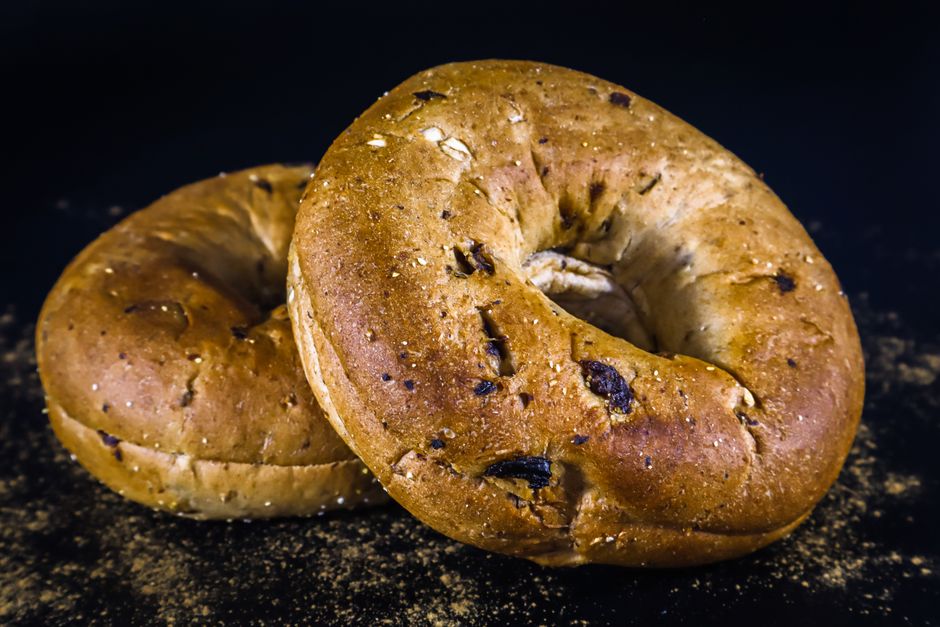
Making unprocessed bread means starting with whole grains, water, salt, and a natural leavening agent — nothing else. No preservatives, dough conditioners, or refined white flour. The process is simple but takes patience. You grind the grain yourself or buy whole grain flour, mix a simple dough, let it ferment slowly, and bake it at home. The result is a dense, nutrient-rich loaf that tastes nothing like store-bought bread.
What Makes Bread “Unprocessed” Exactly?
Unprocessed bread has a clear definition once you know what to look for. It contains only ingredients you could find in a pre-industrial kitchen. Whole grains or freshly ground flour. Water. Salt. And a natural leavening agent like sourdough starter or yeast.
That is where most commercial bread fails. Even “whole wheat” bread from the grocery store often contains added sugar, oil, soy lecithin, ascorbic acid, and preservatives like calcium propionate. These ingredients exist to extend shelf life and create a soft texture that feels familiar to consumers.
The USDA defines “whole grain” differently than “unprocessed.” A bread can be 100 percent whole grain and still contain additives. Unprocessed bread avoids all of them. The American Heart Association notes that highly processed foods often have added sugars and sodium even when they appear healthy. Unprocessed bread sidesteps this entirely by using only the four core ingredients.
Does Homemade Unprocessed Bread Actually Taste Good?
Yes, but it tastes different than what most people grew up eating. Commercial bread is engineered to be soft, sweet, and uniform. Unprocessed bread is denser, chewier, and has a tangy or nutty flavor depending on the grain and fermentation time.
Many people who try unprocessed bread for the first time are surprised by the difference. Some love it immediately. Others find it takes a few weeks for their palate to adjust. The shift away from added sugar is particularly noticeable. Most store-bought breads contain some form of sweetener — even the “healthy” ones. Unprocessed bread has none.
Research published in the Journal of Food Science found that consumers who ate whole grain bread for two weeks began to prefer its taste over refined bread. The study suggests taste preferences are learned and can change with repeated exposure. If your first loaf does not thrill you, try a different grain or a longer fermentation.
How To Make Unprocessed Bread: Step by Step
This method produces a basic whole grain loaf. It takes about 24 hours from start to finish, though most of that time is hands-off fermentation.
Ingredients:
- 3 cups whole grain flour (wheat, spelt, rye, or a mix)
- 1 ¼ cups filtered water
- 1 ½ teaspoons fine sea salt
- ½ cup active sourdough starter
Steps:
- Mix the flour and water in a large bowl. Cover and let rest for 30 minutes. This is called autolyse and helps the flour absorb water properly.
- Add the salt and sourdough starter. Mix by hand until no dry flour remains. The dough will feel sticky and rough.
- Cover the bowl and let it rest for 30 minutes. Then perform a stretch and fold — grab one side of the dough, pull it up, and fold it over itself. Repeat on all four sides. Do this every 30 minutes for the first 2 hours.
- Let the dough bulk ferment at room temperature for 8 to 12 hours. It should almost double in size and have bubbles on the surface.
- Turn the dough onto a floured surface. Shape it into a round or oval loaf. Place it in a floured proofing basket or a bowl lined with a floured towel.
- Cover and refrigerate for 8 to 12 hours. This cold fermentation develops flavor and makes the dough easier to handle.
- Preheat your oven to 475°F with a Dutch oven inside for 30 minutes. Turn the dough onto parchment paper, score the top with a sharp knife, and place it in the hot pot.
- Bake covered for 25 minutes. Remove the lid and bake another 15 to 20 minutes until deep golden brown. Cool completely before slicing.
| Ingredient | Unprocessed Bread | Typical Store Bread |
|---|---|---|
| Flour | Whole grain only | Refined or enriched white flour |
| Sweetener | None | High fructose corn syrup, sugar, honey |
| Oil or fat | None | Soybean oil, palm oil, shortening |
| Preservatives | None | Calcium propionate, sorbic acid |
| Dough conditioners | None | DATEM, ascorbic acid, L-cysteine |
| Leavening agent | Sourdough starter or yeast | Commercial yeast, baking soda |





What Are the Health Benefits of Unprocessed Bread?
The main benefit is that you control every ingredient. There is no hidden sugar, no industrial additives, and no refined flour. The whole grains provide fiber, B vitamins, iron, magnesium, and zinc that are stripped away in refined bread.
The CDC reports that most Americans consume more than 300 calories per day from added sugars alone. Unprocessed bread removes one common source of those hidden sugars. A typical slice of commercial whole wheat bread contains 1 to 3 grams of added sugar. That does not sound like much, but it adds up for people who eat two slices per day.
Sourdough fermentation also has specific advantages. Research in the journal Nutrients found that the lactic acid bacteria in sourdough break down phytic acid, a compound in grains that blocks mineral absorption. This means your body can actually use the iron and zinc in the bread rather than passing them through. The same fermentation process also produces organic acids that slow down how quickly your blood sugar rises after eating.
Some people report better digestion with unprocessed bread compared to commercial bread. This is widely claimed though strong evidence is limited. The difference may come from the absence of preservatives and emulsifiers rather than the bread itself. If you have a mild sensitivity to food additives, switching to unprocessed bread may help.
What Are the Common Mistakes When Making Unprocessed Bread?
Most first attempts fail because of one of three issues. The first is using too much whole grain flour without adjusting hydration. Whole grain flours absorb more water than white flour. If you follow a recipe designed for white flour your dough will be dry and dense. Add an extra 2 to 4 tablespoons of water per cup of whole grain flour.
The second mistake is rushing the fermentation. Unprocessed bread needs time. The enzymes in whole grains break down starches slowly. If you bake before the dough has fully fermented, the loaf will be gummy and flat. Look for visual cues — the dough should be puffy, domed, and have visible air pockets.
The third mistake is cutting the bread too soon. Freshly baked bread continues to set as it cools. Cutting into a warm loaf releases steam and the interior becomes gummy. Wait at least two hours after baking. Overnight is even better because the flavor continues to develop as the loaf rests.
As of 2026 there is no clinical evidence that adding ingredients like vital wheat gluten or commercial dough enhancers makes unprocessed bread healthier. These additions may improve texture but they add processing to the bread. If your goal is truly unprocessed bread, skip them.
How Do You Store Unprocessed Bread Without Preservatives?
Unprocessed bread lacks preservatives so it molds faster than store-bought bread. At room temperature it stays fresh for 2 to 4 days depending on humidity. The best storage method is a paper bag or a bread box. Plastic bags trap moisture and accelerate mold growth.
Freezing works well for longer storage. Slice the bread first, then wrap it tightly in parchment paper and place it in a freezer bag. Toast slices directly from the freezer. This method preserves the texture better than refrigerating, which actually speeds up staling.
Some people report that storing bread cut-side down on a cutting board keeps it fresh longer. This is widely claimed though strong evidence is limited. The theory is that the cut surface dries out less quickly. Try it and see if it works in your kitchen.
Frequently Asked Questions
What is the difference between whole wheat and unprocessed bread?
Whole wheat bread can still contain added sugar, oil, and preservatives. Unprocessed bread contains only whole grain flour, water, salt, and a natural leavening agent.
Can I make unprocessed bread without a sourdough starter?
Yes. You can use commercial yeast instead. The bread will still be unprocessed as long as no other additives are included.
How long does homemade unprocessed bread last?
It stays fresh at room temperature for 2 to 4 days. Freezing sliced bread extends its life for up to 3 months.
Is unprocessed bread healthier than regular bread?
It contains more fiber and minerals and has no added sugar or preservatives. Sourdough fermentation also improves mineral absorption.
