
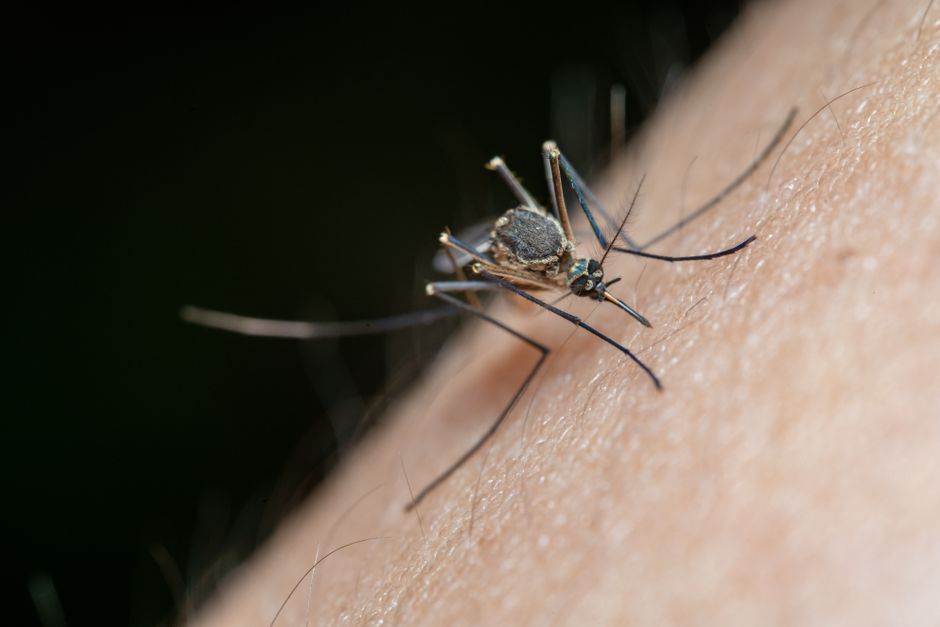
Mosquito bites itch because your body has an immune reaction to the mosquito’s saliva. When a mosquito bites you, it injects saliva into your skin to keep your blood from clotting. Your immune system sees this saliva as a foreign substance and releases histamine. Histamine causes blood vessels around the bite to swell and sends itch signals to your nerves. That is the short answer. The longer answer involves why some people react more than others and what actually stops the itch without making things worse.
What Exactly Happens When a Mosquito Bites You?
A mosquito does not just stab you like a needle. It uses a complex mouthpart called a proboscis to saw through your skin and find a blood vessel. As it feeds, it pumps saliva into the wound. This saliva contains proteins that stop your blood from clotting and act as a mild anesthetic so you do not feel the bite right away.
Your immune system detects these foreign proteins within minutes. For most people, the body releases histamine and other chemicals to attack the invader. This immune response causes the classic symptoms: redness, swelling, and itching. The itch is not from the bite itself. It is from your own body fighting back.
Research published in the Journal of Experimental Medicine has identified specific immune cells called mast cells that trigger this reaction. When mast cells detect mosquito saliva proteins, they release histamine. That histamine is what makes you scratch.
Why Do Mosquito Bites Itch More for Some People Than Others?
Not everyone reacts the same way to mosquito bites. Some people get a tiny red dot that barely itches. Others develop a large swollen welt that drives them crazy for days. The difference comes down to your immune system’s sensitivity.
People who have never been bitten by a particular mosquito species often have no reaction at all. This is common in travelers visiting a new region. After repeated bites, the body builds up a sensitivity. Children tend to have stronger reactions than adults because their immune systems are still learning to recognize mosquito saliva.
Some studies suggest that certain blood types attract more mosquitoes, but the evidence is mixed. What is clearer is that your genetics influence how strongly you react. The American Academy of Allergy, Asthma & Immunology notes that some people produce higher levels of histamine in response to mosquito bites. These people itch more and for longer.
There is also a condition called Skeeter syndrome. This is a severe allergic reaction to mosquito saliva. Symptoms include intense swelling, redness, heat, and sometimes fever or blisters. If you experience these symptoms, talk to a doctor. It is not just bad luck with bugs.
What Actually Works to Stop the Itch?
Most home remedies are not backed by strong evidence. But a few treatments have solid research behind them. The goal is to reduce the histamine response or calm the nerve signals that make you want to scratch.
| Treatment | How It Works | Evidence Level |
|---|---|---|
| Cold compress or ice | Numbs nerves and reduces swelling | Strong. The CDC recommends this as a first step. |
| Oral antihistamines | Blocks histamine from binding to receptors | Strong. Studies confirm effectiveness for itching. |
| Topical hydrocortisone cream | Reduces inflammation and immune response | Strong. Commonly recommended by dermatologists. |
| Calamine lotion | Provides cooling sensation and mild astringent | Moderate. Some people report relief. |
| Baking soda paste | May neutralize pH and soothe skin | Weak. Anecdotal only. No strong studies. |
| Heat pens or devices | Apply concentrated heat to break down saliva proteins | Moderate. Some small studies show benefit. |
Cold is the fastest and safest option. Apply an ice pack wrapped in a cloth for ten minutes. Oral antihistamines like cetirizine or loratadine work well if you have multiple bites. Topical hydrocortisone cream helps with localized itching. Do not use it on broken skin or near your eyes.





What Makes Mosquito Bite Itching Worse?
Scratching feels good for a second but makes everything worse. Here is why. Scratching damages your skin cells. Damaged cells release more histamine. More histamine means more itching. You end up in a cycle that can lead to infection.
Some common remedies can also backfire. Heat from a hair dryer or hot spoon may feel soothing, but it can worsen inflammation. Some people recommend rubbing alcohol or bleach on bites. Do not do this. These substances dry out the skin and can cause chemical burns or scarring.
Essential oils like tea tree or lavender are widely claimed to help. Evidence is very limited. The National Capital Poison Center has reported cases of allergic reactions and skin irritation from undiluted essential oils applied to bites. Stick with treatments that have a track record of safety.
Another mistake is using antibiotic creams like Neosporin on mosquito bites. These are for preventing infection in cuts and scrapes. Mosquito bites are not open wounds. Antibiotic creams can cause contact dermatitis and make the itching worse.
How Do You Prevent Mosquito Bites in the First Place?
Prevention is better than treatment. The Environmental Protection Agency (EPA) recommends repellents containing DEET, picaridin, or oil of lemon eucalyptus. DEET has been studied for decades and is safe when used as directed. Do not use oil of lemon eucalyptus on children under three years old.
Mosquitoes are most active at dawn and dusk. Wear long sleeves and pants during these times if you are in a mosquito-prone area. Use screens on windows and doors. Remove standing water around your home. Mosquitoes lay eggs in even small amounts of water like plant saucers or birdbaths.
- DEET-based repellents: Most effective. Safe for adults and children over two months old.
- Picaridin: Similar effectiveness to DEET. Less greasy and odorless.
- Oil of lemon eucalyptus: Natural option. Not for children under three.
- Permethrin-treated clothing: Kills mosquitoes on contact. Safe when applied to clothing only.
Some people swear by vitamin B supplements, ultrasonic devices, or wristbands. There is no clinical evidence that any of these work. The Centers for Disease Control and Prevention does not recommend them. Save your money for proven repellents.
Common Misconceptions About Mosquito Bites
One persistent myth is that mosquito bites itch because of what the mosquito ate. This is false. The itch is caused by the mosquito’s saliva, not your blood or anything you consumed. Eating bananas, garlic, or avoiding sugar does not change your attractiveness to mosquitoes or how much you itch.
Another myth is that all mosquito bites are the same. Different mosquito species carry different saliva proteins. Some species cause more itching than others. The Aedes mosquito, which spreads dengue and Zika, tends to cause more intense reactions than the Culex mosquito.
Some people believe that scratching a bite releases toxins. This is not true. Scratching damages skin and increases inflammation, but there are no toxins to release. The urge to scratch is purely neurological. Your brain interprets the histamine signal as an itch, and scratching temporarily overrides that signal with pain. That is why it feels good, but the relief lasts seconds.
As of 2026, there is no clinical evidence that applying toothpaste, vinegar, or lemon juice to mosquito bites provides any real benefit. These are folk remedies that have not been tested in controlled studies. Some may cause skin irritation or burns, especially if left on too long.
When Should You See a Doctor for a Mosquito Bite?
Most mosquito bites are harmless and resolve on their own within a few days. But some situations require medical attention. If you develop signs of infection like increasing redness, warmth, pus, or red streaks spreading from the bite, see a doctor. These could indicate cellulitis or a secondary bacterial infection.
Severe allergic reactions are rare but possible. Symptoms include difficulty breathing, swelling of the lips or throat, hives far from the bite site, or dizziness. This is a medical emergency. Call 911 immediately.
If you have multiple bites that keep you awake at night or interfere with daily life, talk to a doctor about prescription-strength antihistamines or topical steroids. Some people benefit from a short course of oral steroids for severe reactions. This is not common, but it is an option for people with Skeeter syndrome.
The American Academy of Dermatology advises that you should not ignore a bite that does not heal after two weeks. It could be something else entirely, like a skin infection or an allergic reaction to something other than the mosquito.
Frequently Asked Questions
Why do mosquito bites itch more at night?
Your body’s natural cortisol levels drop at night, which reduces your anti-inflammatory response. You also have fewer distractions, so you notice the itch more.
Can you build immunity to mosquito bites?
Some people develop a tolerance after repeated exposure, but this is not true immunity. Your immune response may become less intense over time, but it rarely disappears completely.
Does scratching a mosquito bite make it spread?
Scratching does not spread the mosquito saliva, but it can introduce bacteria from your skin into the bite. This can cause infection and make the area larger and more inflamed.
Why don’t some people react to mosquito bites at all?
Some people do not produce a strong histamine response to mosquito saliva. This may be genetic or because they have not been sensitized through repeated bites from that species.
