
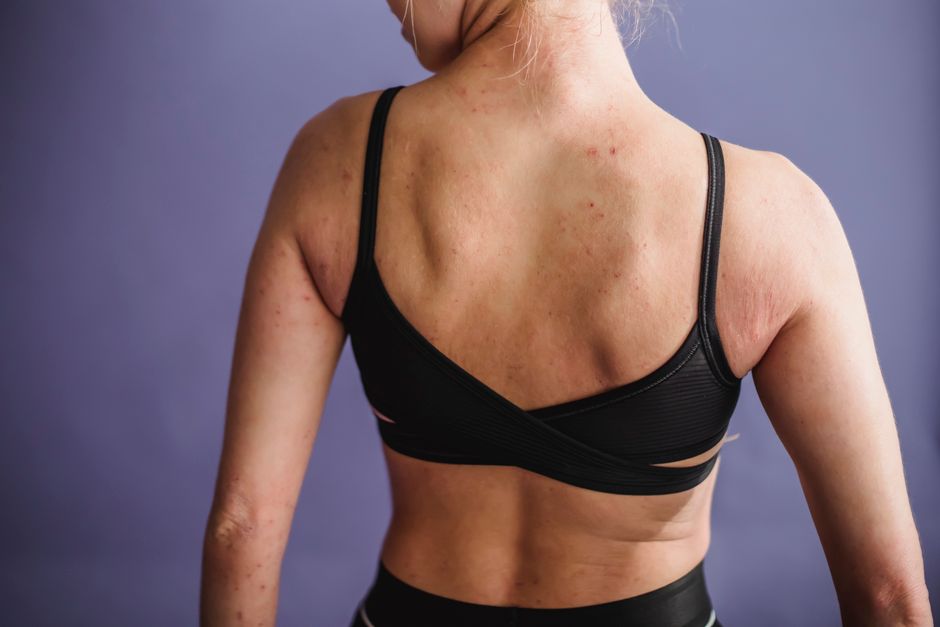
Psoriasis is a chronic skin condition that does not have a cure, but it can go into remission. For many people, symptoms can completely disappear for months or even years at a time. The key difference is that “going away” is not the same as being permanently gone. The underlying immune system tendency remains, even when the skin looks clear.
What Actually Causes Psoriasis?
Psoriasis is an autoimmune disease. The immune system mistakenly attacks healthy skin cells, telling them to grow too fast. Normal skin cells take about a month to mature and shed. In psoriasis, this process happens in just a few days. The cells pile up on the surface, forming the thick, scaly patches you see.
Genetics play a big role. The National Psoriasis Foundation reports that about 10% of people inherit genes that make them likely to get psoriasis. Only 2-3% of those people actually develop the condition. Something has to trigger it.
Common triggers include stress, infections like strep throat, certain medications, and skin injuries. Cold weather and smoking are also linked to flare-ups. Knowing your triggers is one of the most practical ways to manage the condition.
Can Psoriasis Go Away on Its Own?
Yes, psoriasis can clear up without treatment. This is called spontaneous remission. It is not common, but it does happen. Some people report their skin clearing for years after a single flare-up.
Research on this is limited because it is hard to study. The best data comes from long-term patient surveys. One study published in the Journal of the American Academy of Dermatology found that about one-third of people with mild psoriasis experienced long periods of clear skin without treatment.
However, remission is unpredictable. You cannot force it. And for most people with moderate to severe psoriasis, the condition is persistent without some form of management.
What Treatments Help Psoriasis Go Into Remission?
Treatment options have improved dramatically in the last decade. The goal is not to cure, but to get the skin clear and keep it clear. Here is a comparison of the main categories doctors use.
| Treatment Type | How It Works | Typical Results |
|---|---|---|
| Topical steroids | Reduce inflammation and slow skin cell growth | Works for mild to moderate cases. Can clear patches in 2-4 weeks. |
| Phototherapy (UVB light) | Slows the rapid growth of skin cells | About 70-80% of people see significant clearing after 20-30 sessions. |
| Biologics (injections) | Block specific immune signals that cause inflammation | Up to 80% of people achieve clear or nearly clear skin within 3-6 months. |
| Oral systemic drugs | Suppress the overall immune response | Effective for severe cases. Side effects are more common. |
Biologics have been a major advancement. A 2021 review in JAMA Dermatology found that newer biologics help 70-90% of patients achieve at least 75% skin clearance. That is a very different outcome than what was possible twenty years ago.
Your doctor will choose based on how much of your body is affected, your medical history, and your preferences. Mild psoriasis often responds well to creams alone. Moderate to severe cases usually need light therapy or stronger medication.


Does Diet Help Psoriasis Go Away?
This is one of the most asked questions. The honest answer is that diet alone does not cure psoriasis, but it can help some people reduce flare-ups. The evidence is mixed, and what works for one person may not work for another.
Some studies suggest that an anti-inflammatory diet may help. This means eating more fruits, vegetables, whole grains, and healthy fats like olive oil and fish. The Mediterranean diet has the best research behind it for reducing inflammation in general.
There is also some evidence that weight loss helps. Research from the British Journal of Dermatology found that overweight people with psoriasis who lost 5-10% of their body weight saw significant improvement in their skin. Fat tissue produces inflammatory chemicals that can make psoriasis worse.
Gluten is a common concern. Some people with psoriasis also have celiac disease or gluten sensitivity. For those people, cutting gluten can help. But for the majority without that sensitivity, there is no strong evidence that gluten matters.
Avoid crash diets or extreme elimination plans. They are not backed by solid research and can cause other health problems. A balanced, anti-inflammatory diet is a reasonable step, but it is not a replacement for medical treatment.
What About Natural and Alternative Remedies?
Many natural remedies are popular online. Some have real but limited evidence. Others are pure hype. Here is what the research actually says.
- Aloe vera cream. Some small studies show it can reduce redness and scaling. It is safe to try for mild cases. Do not expect dramatic results.
- Fish oil supplements. Omega-3 fatty acids have anti-inflammatory effects. A few studies suggest modest benefit, but the results are inconsistent. High doses are needed, which can cause side effects.
- Dead Sea salts. Soaking in warm water with these salts may help remove scales and soothe the skin. The effect is temporary. The real benefit may come from the sun exposure people get at the Dead Sea, which is natural phototherapy.
- Turmeric. Widely claimed to help, but clinical evidence is weak. A 2016 review found no solid proof that turmeric treats psoriasis. It is safe to eat, but do not rely on it.
- Apple cider vinegar. Some people use it for scalp psoriasis. There is no clinical evidence it works. It can irritate broken skin. Use with caution.
A common mistake is replacing medical treatment with unproven natural products. If you have moderate to severe psoriasis, skipping proven therapies can allow the disease to worsen. Natural remedies are best used as supplements to medical care, not substitutes.
What Makes Psoriasis Worse?
Certain factors are strongly linked to more severe or persistent psoriasis. Avoiding these can help you stay in remission longer.
Stress is one of the biggest triggers. It raises levels of inflammatory chemicals in the body. Stress management techniques like meditation, exercise, or therapy can make a real difference. This is not just feel-good advice. Research shows that stress reduction correlates with fewer flare-ups.
Alcohol is a known trigger. Heavy drinking makes psoriasis worse and reduces the effectiveness of treatments. The link is strong enough that most dermatologists advise limiting or avoiding alcohol entirely.
Smoking doubles the risk of developing psoriasis and makes existing cases harder to treat. The chemicals in tobacco smoke directly increase inflammation. Quitting smoking is one of the most effective lifestyle changes you can make.
Certain medications can trigger flares. These include lithium, beta-blockers for high blood pressure, and antimalarial drugs. If you have psoriasis and need these medications, talk to your doctor. They may be able to switch you to an alternative.
Skin injuries can cause new psoriasis patches to form at the site of the injury. This is called the Koebner phenomenon. Avoiding cuts, scrapes, and even sunburns can help prevent new spots from appearing.
Common Misconceptions About Psoriasis
There is a lot of bad information online. Here are three myths that need to be cleared up.
Myth: Psoriasis is just a skin problem. It is not. Psoriasis is a systemic inflammatory disease. It affects the whole body. People with psoriasis have higher rates of heart disease, diabetes, and arthritis. Treating the skin is important, but managing overall inflammation matters too.
Myth: Psoriasis is contagious. It is not. You cannot catch it from someone else. This myth causes real social harm. People with psoriasis often face stigma and avoidance because others think they can get it. You cannot.
Myth: Psoriasis can be cured with a special diet or detox. No diet has been proven to cure psoriasis. Cleanse diets and detox programs have no scientific basis. They can even be dangerous if they restrict essential nutrients. Stick with evidence-based treatments.
Frequently Asked Questions
Can psoriasis go away forever?
No, psoriasis is a chronic condition that does not permanently go away. It can go into remission for months or years, but the underlying immune tendency remains.
Can psoriasis go away without treatment?
Yes, some people experience spontaneous remission without treatment. This is not predictable and is more common in mild cases.
Can psoriasis go away with diet changes?
Diet alone does not cure psoriasis, but an anti-inflammatory diet may help reduce flare-ups for some people. Weight loss has the strongest evidence for improvement.
Can psoriasis go away in children?
Yes, children with psoriasis often have milder cases that can clear up for long periods. Many children see their symptoms improve as they get older.
