
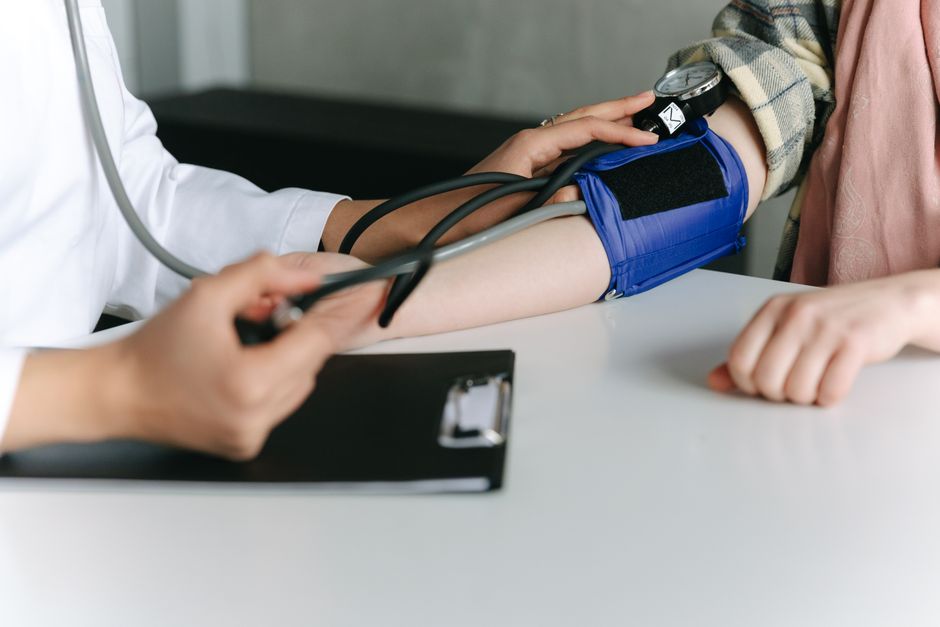
Blood pressure that runs too high damages arteries, the heart, the brain, and the kidneys over time. That much is not in dispute. But the flip side gets far less attention: blood pressure can also drop too low, and for some people, “lower” stops being better and starts being a problem. There is no single perfect number that applies to everyone. The goal is a range that keeps your organs supplied with blood without straining your arteries — and where that range sits depends on your age, your health conditions, and how you feel day to day.
What Is a Normal Blood Pressure Range?
Blood pressure is written as two numbers. The top number, systolic pressure, is the force against your artery walls when your heart beats. The bottom number, diastolic pressure, is the pressure between beats, while your heart is refilling.
For most adults, a normal reading is below 120/80 mmHg. The 120 is systolic, the 80 is diastolic. A reading of 120–129 systolic with diastolic still under 80 is often called elevated. Once systolic reaches 130 or higher, or diastolic reaches 80 or higher, that generally falls into the hypertension range, with stages defined by how high the numbers go.
Low blood pressure, by contrast, does not have a clean cutoff. This surprises many people. There is no official threshold below which a reading is automatically “too low,” because symptoms matter more than the number. A person can walk around at 90/60 and feel perfectly fine. Another person can feel dizzy and faint at 100/65. The reading alone does not tell the whole story.
Some clinicians use a rough working range of 90/60 to 120/80 as typical for healthy adults. That is a general reference, not a diagnostic rule. The number that matters is the one your body tolerates without symptoms.
Why Can Blood Pressure Go Too Low?
Blood pressure is a balancing act. Your heart pumps, your blood vessels adjust their width, and your body manages blood volume and fluid. When any of those pieces shift, pressure can fall.
Some causes are temporary and harmless. Standing up quickly can cause a brief drop because blood pools in your legs before your body compensates. This is called orthostatic hypotension, and it becomes more common with age. Dehydration, a heavy meal, prolonged standing, or a hot day can all produce a short-lived dip.
Other causes are more serious:
- Medications. Blood pressure drugs, diuretics, some antidepressants, and certain heart medications can push pressure lower than intended.
- Heart problems. A slow heart rate, heart valve issues, or heart failure can reduce how much blood the heart moves.
- Endocrine conditions. Thyroid disorders, adrenal insufficiency, and diabetes-related nerve damage can all affect blood pressure regulation.
- Blood loss or severe infection. These cause rapid, dangerous drops that require emergency care.
- Nutritional issues. Severe vitamin B12 deficiency or folate deficiency can contribute to anemia, which may lower pressure.
Sometimes no cause is found. This is called chronic asymptomatic hypotension, and if you have no symptoms, it often needs no treatment.
Is Lower Blood Pressure Good Or Can It Go Too Far?
Lower is generally better — up to a point. For people with high blood pressure, bringing it down reduces the risk of heart attack, stroke, and kidney disease. That benefit is well established across decades of research.
But the benefit curve is not infinite. Pushing pressure very low, especially in older adults or people with certain heart conditions, can reduce blood flow to the brain and other organs. The result is not better health. It is dizziness, falls, confusion, and in some cases fainting.
The key insight is that “lower” and “low” are not the same thing. Lowering a dangerous 160/100 toward 120/80 is protective. Dropping a comfortable 115/75 down to 90/55 with symptoms is not. The target should be the range where your organs get enough blood without your arteries taking a beating.
This is why treatment is individualized. A 45-year-old with no other conditions may tolerate a different target than an 80-year-old who takes multiple medications and has a history of falls. Guidelines generally aim for a systolic target under 130 for most adults, and sometimes under 120 for people at higher cardiovascular risk who tolerate it well. But those are starting points, not universal rules.


What Are the Symptoms of Blood Pressure That Is Too Low?
When pressure drops low enough that your brain and organs do not get adequate blood flow, symptoms appear. The most common ones are:
- Dizziness or lightheadedness, especially when standing up
- Fainting or near-fainting
- Blurred or fading vision
- Fatigue that does not improve with rest
- Difficulty concentrating
- Nausea
- Cold, clammy, or pale skin
- Rapid or shallow breathing
The pattern matters. Symptoms that happen only when you stand suggest orthostatic hypotension. Symptoms after eating point to postprandial hypotension, a drop that occurs one to two hours after a meal. Symptoms that come with chest pain, severe shortness of breath, or a rapid pulse are a medical emergency.
If you have no symptoms, a low reading is usually not a concern on its own. If you have symptoms, the number becomes relevant because it helps explain what is happening.
Who Is Most at Risk From Low Blood Pressure?
Some groups are more vulnerable to the effects of pressure that drops too low.
Older adults are at the top of that list. Blood vessels stiffen with age, and the reflexes that normally correct a sudden drop become slower. Falls from dizziness or fainting are a leading cause of injury in this group, and the consequences can be serious.
People taking multiple blood pressure medications face a real risk of overshooting the target. This is especially true when a new drug is added or a dose is increased. Anyone on three or more pressure-lowering drugs should have their readings monitored closely.
People with Parkinson’s disease, diabetes, or autonomic nervous system disorders often have impaired blood pressure regulation. Their bodies struggle to compensate for changes in position or fluid status.
Pregnant women can experience low blood pressure, particularly in the first and second trimesters, as blood vessels relax and blood volume shifts. This is often normal, but fainting during pregnancy should be evaluated by a clinician.
How Is Low Blood Pressure Treated?
Treatment depends entirely on whether you have symptoms and what is causing the drop. If you feel fine, no treatment is usually needed.
When symptoms are present, the approach usually starts with simple measures:
- Drinking more water, especially in hot weather or during exercise
- Rising slowly from sitting or lying positions
- Avoiding prolonged standing
- Eating smaller, more frequent meals if post-meal drops are an issue
- Wearing compression stockings to help blood return from the legs
Some clinicians recommend increasing salt intake for certain patients with chronic low blood pressure. This should only be done under medical supervision, because too much sodium carries its own risks, particularly for people with heart or kidney conditions.
If medications are the cause, a doctor may adjust doses or switch drugs. Never stop a prescribed blood pressure medication on your own. The rebound effect can be dangerous.
For more persistent cases, medications that raise blood pressure may be prescribed. These are used less often and typically reserved for people with significant symptoms that do not respond to other measures.
What Should You Do If Your Readings Seem Low?
First, consider whether you actually have symptoms. A low number without symptoms is rarely a problem. A low number with dizziness, fainting, or confusion needs attention.
Check your readings at home, ideally at the same times each day, and write them down. Bring that log to your doctor. Patterns are far more useful than a single reading.
Pay attention to when symptoms occur. After standing? After eating? After starting a new medication? That timing helps narrow down the cause.
Seek emergency care if low blood pressure comes with chest pain, severe shortness of breath, a rapid or weak pulse, confusion, or loss of consciousness. Those signs suggest a serious drop in blood flow that needs immediate treatment.
The bottom line is that blood pressure exists on a range, and both ends deserve respect. Lowering high pressure saves lives. Pushing pressure too low can cause real harm. The right target is the one your body can tolerate without symptoms — and that is a conversation to have with your doctor, not a number to chase on your own.
Frequently Asked Questions
Is 90/60 a dangerous blood pressure?
Not necessarily. A reading of 90/60 can be normal for some healthy adults, especially if you have no symptoms. It only becomes a concern when it causes dizziness, fainting, or other signs that your organs are not getting enough blood.
Can low blood pressure cause a stroke?
Low blood pressure itself is not a typical cause of stroke, which is usually linked to high blood pressure, clots, or bleeding. However, a sudden severe drop in blood flow can reduce oxygen to the brain and cause fainting or, in extreme cases, brain injury.
What is the lowest blood pressure that is safe?
There is no universal number, because safety depends on your symptoms and health conditions. Some people function well at 90/60, while others feel faint at higher readings. Your doctor can help determine what is safe for you.
Should I stop my blood pressure medication if my readings get too low?
No. Never stop a prescribed blood pressure medication without talking to your doctor first. Stopping suddenly can cause a dangerous rebound spike. Instead, report your readings and symptoms so your dose can be adjusted safely.
