
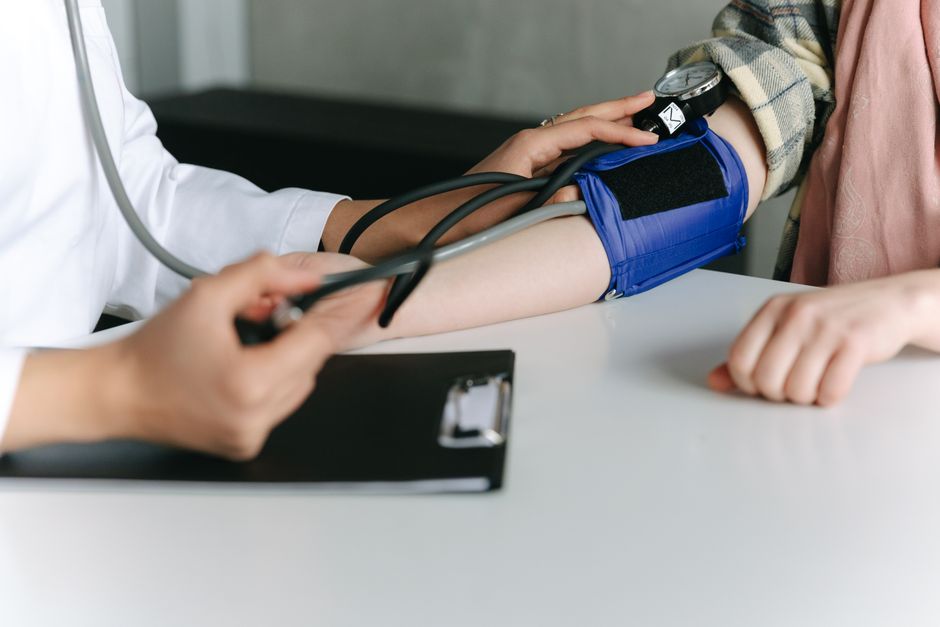
If your blood pressure spikes and you need to bring it down within a few minutes, the most effective first step is slow, deep breathing. Specifically, exhaling for longer than you inhale activates your parasympathetic nervous system, which signals your heart to slow down and your blood vessels to relax. This technique, along with moving to a calm, quiet space, can lower your systolic reading by several points within a few minutes. However, a quick fix is not a cure, and you need to know when a spike is an emergency that requires immediate medical attention.
What Is Considered a Dangerous Blood Pressure Spike?
Before you try to lower a reading, you must know what you are dealing with. A normal resting blood pressure is below 120/80 mmHg. Hypertension is generally diagnosed at 130/80 mmHg or higher.
A sudden reading of 180/120 mmHg or higher is a hypertensive crisis. If you get this reading and have no symptoms, wait five minutes and check again. If it is still that high, contact your doctor immediately. If that reading comes with chest pain, shortness of breath, back pain, numbness, weakness, vision changes, or difficulty speaking, call 911. Do not wait. Do not try to lower it yourself at home.
For readings between 160/100 and 179/119, you are in a danger zone, but the urgency depends on how you feel. If you feel fine, sit quietly for a few minutes and recheck. If it stays high, contact your healthcare provider for guidance. Never ignore a severely elevated reading because you are afraid of going to the hospital.
How To Lower Blood Pressure Quickly In Minutes: Breathing Techniques
The fastest non-medication method to lower blood pressure is controlled breathing. The goal is to slow your heart rate and dilate blood vessels by engaging the vagus nerve.
Here is the technique that has shown the most clinical promise: inhale through your nose for four seconds, then exhale slowly through your mouth for six to eight seconds. The key is the extended exhale. This creates a “resonance” effect in your cardiovascular system, increasing something called baroreflex sensitivity, which helps regulate blood pressure moment to moment.
Practice this for three to five minutes. You should feel a physical shift—your shoulders drop, your heart rate slows, and your body feels less tense. Some studies suggest that slow breathing at about six breaths per minute can reduce systolic blood pressure by several points within a single session. The effect is temporary, but it is real.
Another variation is “device-guided breathing,” where you follow a visual or audio cue to slow your breathing. You do not need a device. A simple timer or a clock with a second hand works just as well. The mechanism is the same: slow, rhythmic breathing with a prolonged exhale.
The Role of Body Position and Environment
Your physical position affects your blood pressure reading and your actual blood pressure. If you are standing or walking around, your heart is working against gravity. Sit down immediately.
Sit in a chair with your back supported and your feet flat on the floor. Do not cross your legs—this can raise your blood pressure by a few points. Rest your arm on a flat surface at heart level. This is the standard position for an accurate reading, but it also genuinely helps your cardiovascular system work more efficiently.
Reduce environmental stress. Turn off loud music. Dim bright lights. If you are in a heated argument, step away. Cortisol and adrenaline are spiking, and they are keeping your blood vessels constricted. Removing yourself from the stressor is not avoidance; it is a physiological intervention. Your body needs a few minutes without threat signals to begin lowering circulating stress hormones.
If you have been physically active or just climbed stairs, your blood pressure will be elevated for several minutes. Sit quietly for at least five minutes before you even take a reading. Measuring too soon gives you a false high number and causes unnecessary alarm.

Cold Water and Temperature Effects
Cold exposure is a common suggestion for lowering blood pressure, but the evidence is more complex than internet claims suggest. Splashing cold water on your face triggers the “dive reflex,” which can slow your heart rate. This can help some people feel calmer. However, sudden full-body cold exposure—like a cold shower—can actually raise blood pressure briefly because it causes blood vessels to constrict.
A safer temperature-based approach is to cool the room or move to a cooler space. Heat dilates blood vessels, which lowers blood pressure, but if you are already overheated and dehydrated, you may be experiencing low blood pressure with a fast heart rate. If you feel dizzy or lightheaded, that is not a hypertensive spike; that is a different problem.
For a hypertensive spike, focus on cooling your face and neck with a damp cloth while sitting quietly. This is gentle and does not trigger the constriction response that full cold immersion can cause. The goal is to reduce sympathetic nervous system activity, not to shock your system.
What Not To Do During a Spike
Do not take an extra dose of your blood pressure medication to bring down a spike. This is one of the most dangerous mistakes people make. If you take a double dose of a medication like amlodipine or lisinopril, you can cause your blood pressure to drop too low, leading to fainting, falls, or kidney injury. Never adjust your medication dose without explicit instructions from your doctor.
Do not drink a large amount of water rapidly. While chronic dehydration can contribute to high blood pressure, chugging water during an acute spike does not lower it quickly. It just increases blood volume temporarily, which can actually raise blood pressure slightly.
Do not consume caffeine or alcohol to “calm down.” Caffeine is a stimulant and will raise your blood pressure further. Alcohol can initially lower blood pressure but often causes a rebound spike later. Both are counterproductive during an acute episode.
Do not lie flat on your back if you feel dizzy. This can cause blood to pool in your head and increase pressure. Sit upright with your feet on the floor or lie propped up with pillows.
When Quick Fixes Are Not Enough
Breathing exercises and position changes are first-aid measures, not treatments. If you are experiencing frequent spikes—readings above 140/90 on multiple occasions—you need a long-term plan. Quick fixes do not reduce your risk of heart attack, stroke, or kidney damage. Only sustained blood pressure control does.
If your blood pressure is consistently high, the evidence-based approaches are well established: reduce dietary sodium to under 2,300 mg per day (or under 1,500 mg if your doctor recommends it), follow the DASH diet which emphasizes fruits, vegetables, whole grains, and low-fat dairy, maintain a healthy weight, exercise regularly, limit alcohol, and take prescribed medications consistently.
These interventions work over weeks and months, not minutes. But they are the only strategies that actually change your long-term risk. Breathing exercises are a bridge—they help you manage an acute moment, but they do not replace a comprehensive treatment plan.
The Limits of Home Monitoring
Home blood pressure monitors are useful, but they have limitations. Wrist monitors are notoriously inaccurate. Upper-arm cuffs are more reliable, but they still need to be the right size. A cuff that is too small gives falsely high readings. A cuff that is too large gives falsely low readings.
If you are checking your blood pressure at home, take two readings one minute apart and average them. Check at the same time each day—morning and evening are standard. Do not check immediately after eating, drinking caffeine, or exercising. These activities all cause temporary fluctuations that do not reflect your true resting blood pressure.
If your home readings are consistently higher than your clinic readings, you may have “white coat hypertension” or the opposite—”masked hypertension,” where your home readings are higher than clinic readings. Both require professional interpretation. Bring your home monitor to your next appointment and have the office staff check its accuracy against their equipment.
Frequently Asked Questions
Can drinking water lower blood pressure immediately?
No. Drinking water does not lower blood pressure within minutes. Chronic dehydration can contribute to high blood pressure, but acute water intake does not produce an immediate drop.
How long does it take for deep breathing to lower blood pressure?
Slow breathing with a prolonged exhale can lower systolic blood pressure within three to five minutes. The effect is temporary and lasts only as long as you maintain the slow breathing pattern.
Is 150/90 a dangerous blood pressure reading?
A reading of 150/90 is elevated and requires attention, but it is not an immediate emergency if you have no symptoms. Sit quietly for five minutes, recheck, and contact your doctor for guidance.
Can I take an extra blood pressure pill to lower a spike?
No. Never take an extra dose of blood pressure medication without your doctor’s instruction. This can cause your blood pressure to drop dangerously low and lead to fainting or kidney injury.
