
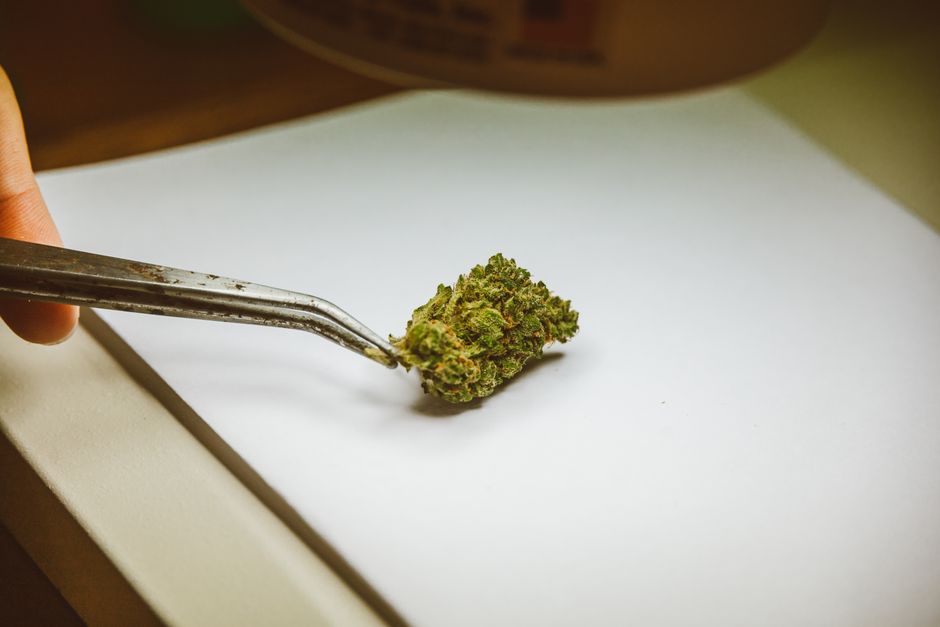
Many people who use cannabis for sleep or relaxation assume indica strains lower blood pressure. The real answer is more complicated. Research shows cannabis can do both — it can lower blood pressure in some situations and raise it in others. The strain name alone does not tell you which effect you will get. Your body, the dose, and how you consume it all matter more than whether the plant is labeled indica or sativa.
Does Indica Lower Blood Pressure Or Raise It?
The short answer is that indica can do either, and the strain label is not a reliable predictor. Studies on cannabis and blood pressure show a two-phase response. Shortly after use, blood pressure often rises slightly. About 30 minutes to a few hours later, it may drop below baseline.
THC — the main psychoactive compound in cannabis — is the primary driver of these changes. It activates cannabinoid receptors in the brain and cardiovascular system. This activation can cause a temporary increase in heart rate and blood pressure. That initial spike is followed by a period where blood pressure may fall as the body adjusts.
Indica strains typically contain similar THC levels to sativa strains. The chemical profile of a specific plant matters more than the broad indica or sativa category. No large clinical trial has compared indica and sativa head-to-head for blood pressure effects. The evidence we have comes mostly from studies using cannabis or THC in general, not strain-specific research.
How Cannabis Affects Blood Pressure in the Body
Cannabis interacts with the endocannabinoid system, which helps regulate many body functions including blood pressure. THC binds to CB1 receptors in the brain and in blood vessel walls. This binding triggers a complex set of responses that affect the heart and circulation.
The immediate effect is usually sympathetic nervous system activation. This is the “fight or flight” response. It causes blood vessels to constrict and the heart to beat faster. Blood pressure goes up. For most healthy people this increase is temporary and not dangerous.
As THC levels peak and then decline, a different response often takes over. The body’s parasympathetic system becomes more active. Blood vessels may dilate. Blood pressure can drop below what it was before use. This is why some people feel lightheaded or dizzy when standing up after using cannabis.
This two-phase pattern is well documented in research. A 2021 study published in the Journal of the American Heart Association monitored people using cannabis at home. It found that systolic blood pressure dropped by several points over the following weeks. But the same study noted that the first dose often caused a temporary increase.
Why Indica Label Does Not Predict Your Blood Pressure Response
The terms indica and sativa come from plant biology, not pharmacology. Indica plants tend to be shorter with broader leaves. Sativa plants are taller with narrower leaves. These physical traits do not determine how a strain affects blood pressure.
Chemically, most modern cannabis strains are hybrids. A strain labeled indica may contain high levels of THC, low levels, or anything in between. The label tells you little about the actual cannabinoid content. Terpenes — aromatic compounds in the plant — also get credit for effects, but their role in blood pressure regulation is not well studied in humans.
A 2020 analysis in the journal Cannabis and Cannabinoid Research found that commercially labeled indica and sativa strains do not consistently differ in their chemical profiles. THC and CBD levels varied widely within both categories. This means choosing an indica to lower blood pressure is not a strategy supported by evidence.
What matters more is the THC to CBD ratio. CBD does not produce the same cardiovascular effects as THC. High-CBD strains are less likely to cause the initial blood pressure spike. Some research suggests CBD may even lower blood pressure in stressful situations, but the evidence is not strong enough to make a firm recommendation.

Blood Pressure Effects Depend on Dose and Consumption Method
Low doses of THC tend to produce different effects than high doses. Some research indicates that low doses may lower blood pressure while higher doses raise it. This dose-dependent response is seen in animal studies and some human research, but the exact thresholds are not defined.
How you consume cannabis also changes the effect on blood pressure. Smoking or vaping delivers THC quickly into the bloodstream. The cardiovascular effects appear within minutes. The heart rate increase is more pronounced with inhalation. Edibles take longer to absorb, but the effects last longer and can be more intense.
Inhaled cannabis produces a rapid spike in heart rate that can increase by 20 to 50 beats per minute. This is well documented. The blood pressure response is more variable. Some people experience a significant drop, especially when standing up. This orthostatic hypotension can cause dizziness and fainting.
Edibles bypass the lungs and are processed by the liver. The liver converts THC into a more potent metabolite called 11-hydroxy-THC. This compound crosses the blood-brain barrier more easily. Whether this changes blood pressure effects compared to smoking is not well studied. No clinical guidelines currently exist for using cannabis to manage blood pressure.
Who Should Be Cautious About Cannabis and Blood Pressure
People with existing heart conditions or high blood pressure should be careful with cannabis. The initial increase in heart rate and blood pressure can be risky for someone with coronary artery disease or arrhythmias. The American Heart Association has stated that cannabis use is not recommended for cardiovascular health.
Older adults may also be more vulnerable. Blood pressure regulation becomes less stable with age. The drop in blood pressure after cannabis use can increase fall risk. This is a real concern for people 65 and older who may already take blood pressure medications.
If you take blood pressure medication, cannabis can interact with it. Some medications work by widening blood vessels. Adding cannabis to that effect could cause blood pressure to drop too low. This interaction has not been extensively studied in clinical trials. The safest approach is to talk with your doctor before using cannabis alongside blood pressure medication.
People with a history of fainting or dizziness should also be cautious. The post-use blood pressure drop can trigger these symptoms. Standing up slowly after using cannabis can help reduce the risk.
Can Regular Cannabis Use Lower Blood Pressure Long Term
Some research suggests that regular cannabis users may have lower blood pressure than non-users. A 2021 study in the Journal of the American Heart Association found that daily cannabis users had lower systolic blood pressure readings over time. But this study had limitations and the results do not prove that cannabis causes lower blood pressure.
People who use cannabis regularly may have other lifestyle factors that affect blood pressure. They may be younger, leaner, or less stressed — all factors that independently lower blood pressure. No randomized controlled trial has proven that cannabis lowers blood pressure over months or years.
The evidence for long-term blood pressure benefits is weak. The cardiovascular risks of regular cannabis use are better documented. Chronic use has been associated with an increased risk of heart rhythm problems and, in some studies, heart attack. These risks are not offset by uncertain blood pressure benefits.
What the Research Actually Shows About Indica and Blood Pressure
No study has specifically compared indica and sativa strains for their effects on blood pressure. The existing research uses cannabis products with known THC and CBD content, not strain names. This is an important distinction. Any claim that indica specifically lowers blood pressure is not supported by direct clinical evidence.
What the research does show is that THC has acute cardiovascular effects. Heart rate increases shortly after use. Blood pressure may rise then fall. These effects are more tied to THC dose and individual sensitivity than to strain type.
If you are considering cannabis for blood pressure management, the evidence does not support this use. Hypertension treatment should follow established medical guidelines. Lifestyle changes like diet, exercise, and stress reduction have strong evidence behind them. Prescription medications have been tested in large clinical trials. Cannabis has not.
Key Takeaways for People Considering Cannabis for Blood Pressure
Indica strains do not reliably lower blood pressure. The strain label is not a meaningful predictor of cardiovascular effects. THC content and your individual response matter far more.
If you have high blood pressure or heart disease, talk to your doctor before using cannabis. Be honest about your use. Your doctor needs this information to manage your care safely. The temporary blood pressure changes from cannabis can be meaningful, especially if you take medication.
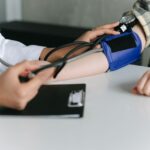
Monitor your blood pressure if you choose to use cannabis. Check it before and after use to understand your personal response. If you feel lightheaded or dizzy after using cannabis, sit down and rest until the feeling passes. Avoid driving or operating machinery during this time.
Frequently Asked Questions
Does indica lower blood pressure immediately?
No. The immediate effect of THC is usually a temporary increase in heart rate and blood pressure. A drop in blood pressure may occur later as the effects wear off.
Is indica or sativa better for high blood pressure?
Neither strain has been proven better for blood pressure management. No clinical trial has compared indica and sativa for this purpose, and strain labels do not reliably predict chemical content.
Can smoking indica cause blood pressure to spike?
Yes. THC can cause a temporary rise in blood pressure and heart rate shortly after inhalation. This effect is more pronounced in people who are new to cannabis or sensitive to THC.
Should people with high blood pressure avoid cannabis?
People with high blood pressure should talk to their doctor before using cannabis. The cardiovascular effects of THC are real, and interactions with blood pressure medications have not been well studied.
