
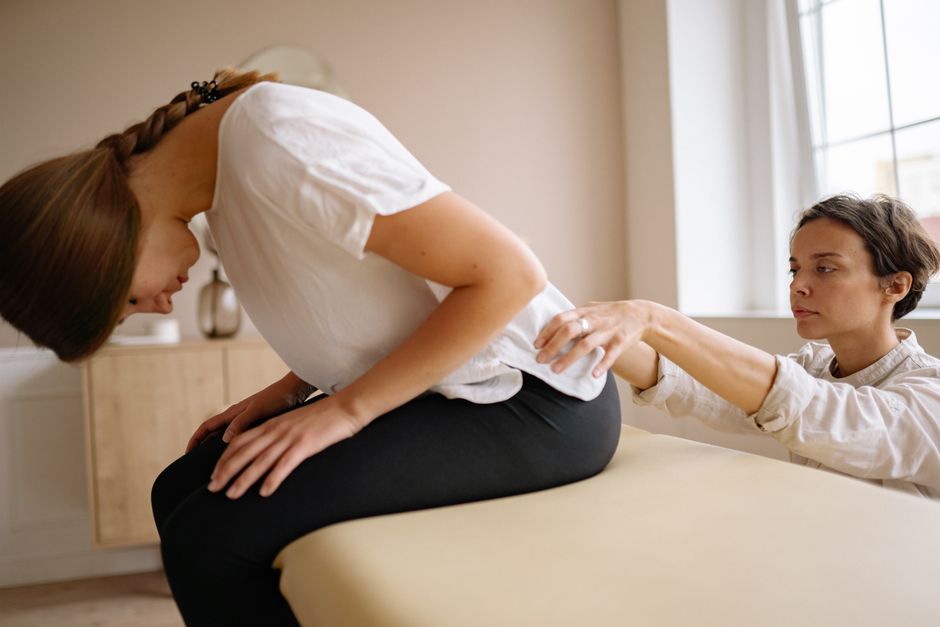
Pregnancy back pain is common, but you do not have to just endure it. Gentle exercise, good posture, and simple daily habit changes can ease much of the discomfort. Most pregnant people can find real relief with a combination of physical therapy, prenatal-safe movement, and ergonomic adjustments at home and work.
Why Does Pregnancy Cause Back Pain?
Your body changes a lot during pregnancy, and your back feels it. The growing baby shifts your center of gravity forward. To stay balanced, you naturally arch your lower back more than usual. That extra curve puts strain on the muscles and ligaments in your lower spine.
Hormones also play a role. Your body releases a hormone called relaxin during pregnancy. It loosens the ligaments in your pelvis to prepare for birth. But relaxin affects other joints too, including those in your spine. Looser joints mean less stability, which can make your back feel sore and vulnerable.
Weight gain is part of the picture as well. The added pounds, especially in the abdomen, increase the load on your spine. Your abdominal muscles also stretch and weaken as the baby grows. Those muscles normally help support your lower back. When they are not working as well, your back muscles have to do more work alone.
What Actually Helps Pregnancy Back Pain?
Movement is one of the most effective tools for pregnancy back pain. It sounds counterintuitive when you are hurting, but gentle activity strengthens the muscles that support your spine. Walking, swimming, and prenatal yoga are all excellent choices. These activities are low impact and safe for most pregnant people.
Physical therapy is another strong option. A physical therapist who specializes in prenatal care can teach you specific exercises to strengthen your core and pelvic floor. They can also show you how to move in ways that protect your back. Some research suggests that prenatal physical therapy significantly reduces back pain during pregnancy.
Heat and cold therapy can help in the moment. A heating pad on a low setting applied to the painful area for 15 to 20 minutes can relax tense muscles. Cold packs can reduce inflammation and numb sharp pain. Always wrap any pack in a cloth to protect your skin, and never place heat directly over your belly for long periods.
Prenatal massage is widely used and generally considered safe when performed by a trained professional. The therapist should position you on your side with pillows supporting your belly and between your knees. Avoid massage in the first trimester if you have any concerns, and always check with your obstetrician first.
How to Help Pregnancy Back Pain With Better Posture
Posture matters more than most people realize. When you stand, imagine a string pulling you up from the top of your head. Keep your shoulders back and relaxed, not hunched forward. Avoid standing with a locked, arched lower back. A slight pelvic tilt, tucking your tailbone slightly under, can relieve pressure on your lumbar spine.
Sitting is where many people struggle. A chair with good lumbar support is essential. Place a small rolled towel or a lumbar pillow behind your lower back if your chair does not provide enough support. Your feet should rest flat on the floor. If your feet do not reach, use a footrest. Avoid crossing your legs, which tilts your pelvis unevenly.
Getting up from a chair or bed is a common trigger for pain. Do not bend forward at the waist to stand. Instead, slide to the edge of the seat, place your feet flat on the floor, and push up using your legs. When getting out of bed, roll onto your side first, then push yourself up with your arms while swinging your legs to the floor. This protects your back from sudden twisting or bending.
-
 Is Lower Back Pain an Early Sign of Pregnancy? The Real Answer
 -
How to Help Lower Back Pain During Pregnancy? Tips That Actually Work
-
How to Relieve Back Pain During Pregnancy? Tips You Can Try
-
When Does Lower Back Pain in Pregnancy Start? What to Know
-
Arctic Blast Reviews 2026: Does The Cooling Pain Drop Work?





Safe Sleeping Positions for Pregnancy Back Pain
Sleep can become difficult when your belly grows. The best position is sleeping on your side, preferably your left side. This position improves blood flow to the baby and reduces pressure on your spine. Place a pillow between your knees to keep your hips aligned. Another pillow under your belly can provide support and reduce pulling on your back muscles.
Many experts discourage sleeping flat on your back in the later stages of pregnancy. The weight of the uterus can press on a major blood vessel called the vena cava, which reduces blood flow to your heart and baby. This can cause dizziness and may contribute to back pain. If you wake up on your back, do not panic. Simply roll back onto your side.
A full-body pregnancy pillow can make a significant difference. These pillows support your belly, back, and legs all at once. They can help you maintain a side-sleeping position through the night. Some people find them bulky, but many report better sleep and less morning back pain with one.
Lifting and Daily Movement Tips
How you lift things matters during pregnancy. Do not bend at the waist to pick something up. Squat down with your knees bent, keep the object close to your body, and stand up using your legs. Avoid lifting anything heavy without help. If you must lift, hold the object at chest height, not at arm’s length. The further an object is from your body, the more strain it puts on your spine.
Everyday tasks can be adjusted too. When you wash dishes or brush your teeth, do not lean over the sink. Place one foot on a small stool to reduce the curve in your lower back. When you vacuum or sweep, use a long handle and keep your back straight while moving your feet, not your spine.
Wearing supportive shoes can help more than you might expect. Flat shoes with good arch support are better than high heels or completely flat, unsupportive sandals. The right shoes help your body maintain better alignment from the ground up. Some people find that a maternity support belt reduces pain during long periods of standing or walking. Evidence on these belts is mixed, but some women report significant relief.
When Should You See a Doctor for Pregnancy Back Pain?
Some back pain during pregnancy is normal. But certain symptoms require medical attention. Contact your doctor if you have severe pain that does not improve with rest or gentle movement. Also seek help if the pain is sudden and intense, or if it radiates down your leg with numbness or tingling.
Call your doctor immediately if back pain comes with any of these signs: vaginal bleeding, fever, burning with urination, or a sudden gush of fluid. Back pain can sometimes be a sign of preterm labor or a urinary tract infection. These conditions need prompt treatment.
Remember that pregnancy back pain is temporary. It usually improves after delivery, though some people continue to have discomfort for a few months postpartum. Building strong core and back muscles during pregnancy can help you recover faster after birth. Talk to your obstetrician about any pain that worries you, and ask for a referral to a prenatal physical therapist if your pain is persistent.
Frequently Asked Questions
Is it safe to use a heating pad for pregnancy back pain?
Yes, a heating pad on a low setting can be used for 15 to 20 minutes on the painful area. Avoid placing direct heat over your belly for extended periods and check with your doctor if you have any concerns.
Can I see a chiropractor while pregnant?
Many pregnant people see chiropractors for back pain relief, and it is generally considered safe when the chiropractor has prenatal training. Always inform your obstetrician and the chiropractor about your pregnancy before treatment.
What exercises are safe for pregnancy back pain?
Walking, swimming, prenatal yoga, and gentle stretching are all safe for most pregnant people. Pelvic tilts and cat-cow stretches are commonly recommended, but check with your doctor before starting any new exercise routine.
Does pregnancy back pain mean something is wrong with the baby?
No, most pregnancy back pain is a normal result of weight gain, posture changes, and hormonal shifts. However, contact your doctor right away if the pain is severe, sudden, or accompanied by bleeding, fever, or fluid leakage.
