
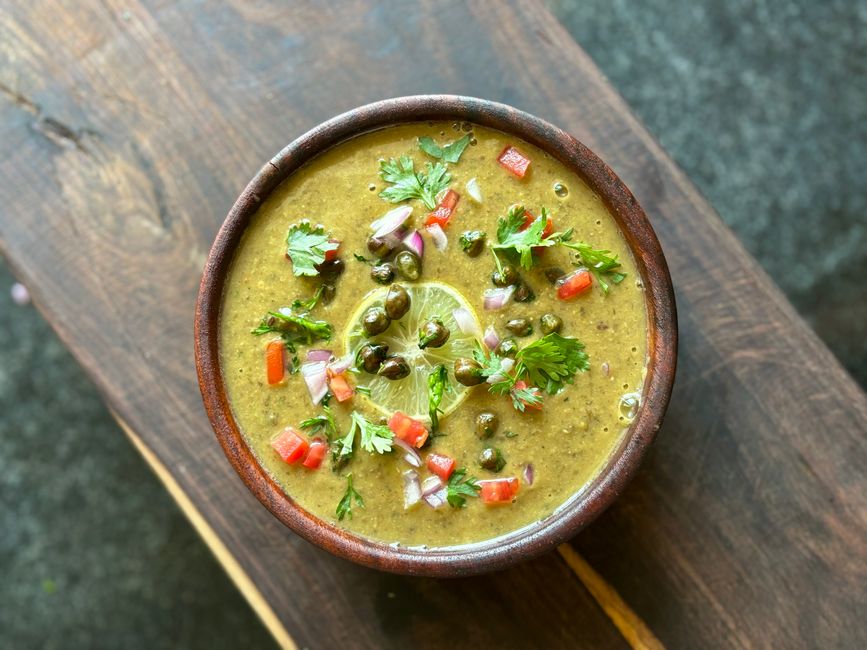
Lentil soup is one of the most nutrient-dense meals you can put on the table. A single bowl delivers plant-based protein, fiber, iron, and folate while keeping sodium and saturated fat low when you make it at home. The combination of complex carbohydrates and protein makes it genuinely good for you — not just as comfort food, but as a regularly recommended part of a balanced diet.
What Makes Lentil Soup Nutritionally Powerful?
Lentils are legumes, and they are unusually rich in nutrients for their size. A single cup of cooked lentils provides about 18 grams of protein and 16 grams of fiber — roughly half the daily fiber recommendation for most adults. That is a combination few other plant foods match.
The fiber in lentils is mostly insoluble and soluble. Soluble fiber helps slow digestion and can support healthy cholesterol levels. Insoluble fiber adds bulk to stool and supports regular bowel movements. Both types matter, and lentils deliver both in meaningful amounts.
Lentils also supply folate, iron, magnesium, potassium, and zinc. Folate is especially important for women of childbearing age because it supports fetal development. Iron from lentils is non-heme iron, meaning it is less easily absorbed than iron from meat. Adding a source of vitamin C — like tomatoes, lemon juice, or bell peppers — to your soup improves iron absorption.
Is Lentil Soup Good For You Nutrition Benefits for Weight Management?
Lentil soup is filling. The protein and fiber slow stomach emptying and keep you satisfied longer than refined carbohydrates do. Studies consistently show that legumes like lentils increase feelings of fullness and reduce calorie intake at the next meal.
This matters for weight management because portion control becomes easier when hunger stays low. A bowl of lentil soup can serve as a complete meal or a substantial starter. The calorie density is low — most homemade lentil soups contain roughly 150 to 250 calories per cup, depending on added fats and vegetables.
One caution: restaurant lentil soups can be very different. Many are loaded with added salt, cream, or pork fat. The nutritional benefits of lentil soup are strongest when you control the ingredients yourself.
How Lentil Soup Affects Blood Sugar
Lentils have a low glycemic index. That means they raise blood sugar slowly compared to white rice, bread, or potatoes. The fiber and protein in lentils slow carbohydrate digestion, which prevents the sharp blood sugar spikes that can lead to energy crashes and long-term metabolic problems.
For people with type 2 diabetes or prediabetes, lentil soup is a practical food choice. Some research suggests that replacing half of a serving of white rice or potatoes with lentils can meaningfully reduce the blood sugar response to a meal. This is not a cure, but it is a genuinely helpful dietary strategy.
Pairing lentil soup with a small amount of healthy fat — like olive oil — further slows digestion. This makes the meal even more blood-sugar friendly without adding much complexity.





Heart Health and Cholesterol
Regular legume consumption is associated with lower risk of heart disease. The evidence for this is consistent across multiple large observational studies. Lentils contribute through several mechanisms: fiber binds to cholesterol in the digestive tract, potassium supports healthy blood pressure, and the low saturated fat content keeps the overall meal heart-healthy.
Some clinical trials have shown that eating legumes daily can lower LDL cholesterol — the “bad” cholesterol — by a modest amount. The effect is not dramatic, but it is real and cumulative over time. A bowl of lentil soup several times per week is a reasonable part of a heart-protective diet.
Sodium is the main risk in lentil soup. Canned soups are often very high in salt. Homemade soup with dried lentils and low-sodium broth keeps the meal aligned with heart health goals. If you use canned lentils, rinse them thoroughly to remove excess sodium.
What About the Antinutrients in Lentils?
Lentils contain compounds called antinutrients, including phytic acid and lectins. These can interfere with mineral absorption and cause digestive discomfort in some people. This sounds concerning, but the practical impact is small for most people.
Soaking and cooking lentils reduces antinutrient levels substantially. The boiling process inactivates lectins and breaks down phytic acid. This is why eating raw or undercooked lentils is not recommended, but properly cooked lentil soup is safe and nutritious.
People with sensitive digestive systems sometimes experience gas or bloating after eating lentils. This is not dangerous, and it often improves with regular consumption. Starting with smaller portions and cooking lentils thoroughly can help your digestive system adjust.
How to Make Lentil Soup That Is Actually Good for You
The health value of lentil soup depends heavily on how it is made. A basic recipe starts with onions, garlic, carrots, and celery sautéed in olive oil. Add dried lentils, low-sodium vegetable or chicken broth, and canned tomatoes. Simmer until the lentils are tender — usually 30 to 40 minutes.
Spices like cumin, turmeric, and coriander add flavor without sodium. A squeeze of lemon at the end brightens the soup and adds vitamin C, which helps with iron absorption. Fresh herbs like parsley or cilantro add nutrients and freshness.
Be careful with additions that reduce the health value. Heavy cream, large amounts of cheese, or fatty meat can turn a healthy soup into a calorie-dense dish. If you want creaminess, blend a portion of the soup with an immersion blender — this creates texture without adding fat.
Comparing Lentil Soup to Other Soups
Not all soups are equal. Many popular soups are cream-based or broth-based with little substance. Lentil soup stands out because it is a complete meal in a bowl.
A comparison of common soup types shows the difference:
- Lentil soup: High protein, high fiber, low saturated fat, low calorie density
- Cream of mushroom soup: High fat, moderate calories, minimal fiber or protein
- Chicken noodle soup: Moderate protein, low fiber, often high sodium
- Tomato soup: Low protein, low fiber, often high added sugar
- Broth-based vegetable soup: Low calories, but low protein and fiber unless beans or lentils are added
Lentil soup is one of the few soups that can genuinely serve as a main course. Most others function better as appetizers or sides.
Practical Concerns: Sodium, Canned Options, and Portion Size
Canned lentil soup is convenient but frequently contains 600 to 900 milligrams of sodium per serving. The American Heart Association recommends limiting sodium to 2,300 milligrams per day, with an ideal limit of 1,500 milligrams for most adults. A single can of soup can consume a third of your daily allowance.
If you use canned soup, look for low-sodium versions. Even then, check the label — “reduced sodium” still means less than the original, not necessarily low. Rinsing canned lentils removes about 40 percent of the sodium if you are building your own soup.
Portion size matters. Lentil soup is healthy, but it still contains calories. A typical serving is one to one and a half cups. Eating an entire pot in one sitting is not a problem occasionally, but it is not the same as eating one serving.
Who Should Be Careful With Lentil Soup?
Most people can eat lentil soup without any concern. A few groups need to pay attention.
People with kidney disease may need to limit potassium and phosphorus. Lentils are high in both. If you have chronic kidney disease, talk to your doctor or a registered dietitian before making lentils a regular part of your diet.
People with gout sometimes worry about purines in legumes. The evidence here is mixed — some studies suggest legumes may slightly increase uric acid, while others show no meaningful effect. If you have gout, moderation is reasonable, but you do not need to avoid lentils entirely unless your doctor advises otherwise.
People on blood thinners should note that lentils are high in vitamin K, which plays a role in blood clotting. Consistent intake matters more than avoiding the food. If you take warfarin, keep your lentil consumption steady from week to week and inform your healthcare provider.
Frequently Asked Questions
Is lentil soup good for weight loss?
Yes, lentil soup supports weight loss because it is high in protein and fiber, which increase fullness and reduce overall calorie intake. A bowl of homemade lentil soup is low in calorie density while providing lasting satiety.
How much protein is in a bowl of lentil soup?
A cup of cooked lentils contains about 18 grams of protein, so a typical bowl of lentil soup provides roughly 15 to 20 grams depending on the recipe. This makes it one of the highest-protein plant-based soups available.
Can lentil soup be eaten every day?
Yes, eating lentil soup daily is safe and healthy for most people. The main considerations are sodium content — which you control by making it at home — and digestive adjustment, which typically improves within a week of regular consumption.
Are canned lentils as nutritious as dried lentils?
Canned lentils retain most of their protein and fiber content but lose some water-soluble vitamins during processing. Rinsing canned lentils removes excess sodium, and they remain a convenient, nutritious option when dried lentils are not practical.
